Necessary Cookies

Required for the site to function. Cannot be disabled.

Analytics Cookies

Help us understand how visitors interact with our site (Google Analytics via GTM).

Marketing Cookies

Used to track visitors and deliver personalised advertisements.

We use cookies to enhance your browsing experience and analyse site traffic. By clicking Accept All, you consent to our use of cookies. Privacy Policy
NewsFire Global
Home News Europe World Christianity Culture Wars Opinion Video
Information
About Us Authors Advertising Terms & Conditions Privacy Policy Contact
R2B Media
R2B NEWSFIRE.GR PAPAFOTIS.GR THRACTION HELLENIC CONSERVATIVES RIGHT2THEBONE YT
News World

FISA Foreign Spying Powers Lapse After Congress Rejects Extension

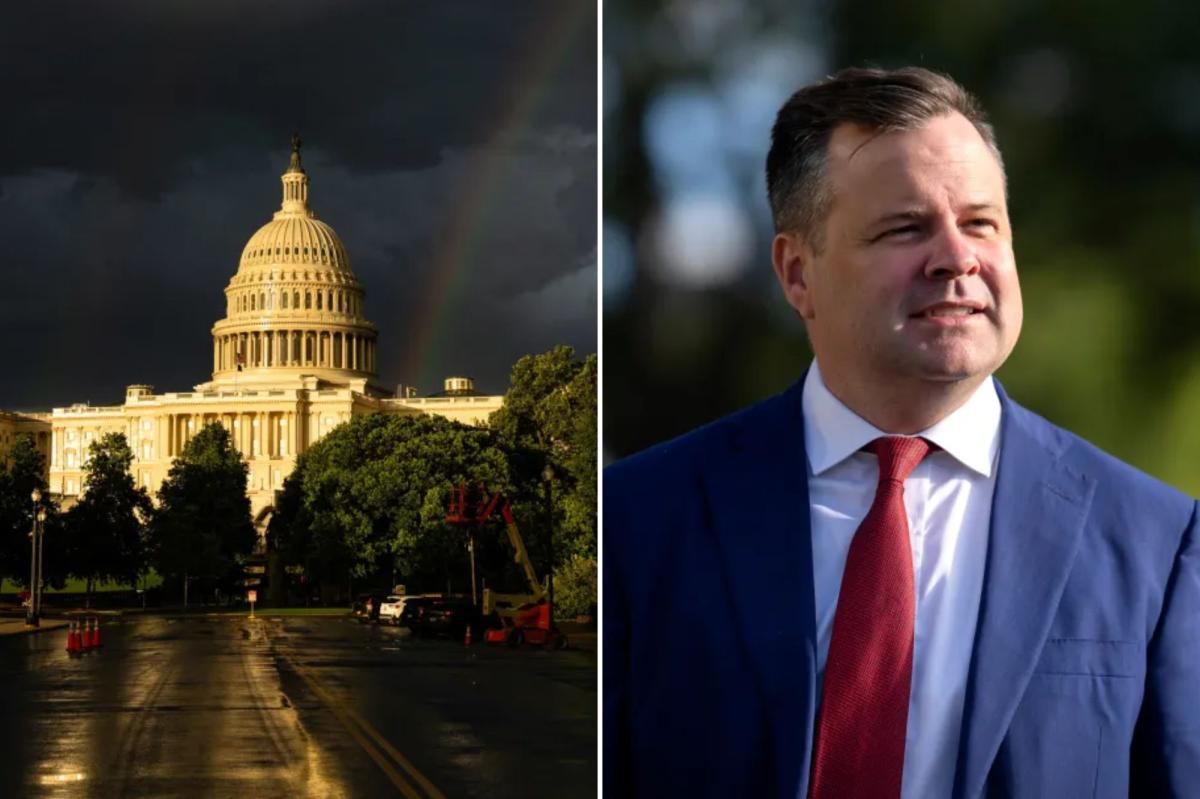
House lawmakers rejected a short-term extension of Section 702 warrantless surveillance powers, letting the controversial FISA program expire Friday amid concerns over potential abuse.
Stefanos Banos
Stefanos Banos Staff Writer
JUNE 13, 2026 AT 2:42 PM

The three-week extension of Section 702 of the Foreign Intelligence Surveillance Act (FISA) failed to pass the House on Thursday, with 19 Republicans joining Democrats to reject the measure. The program officially expired at 11:59 p.m. Friday.

The rejection came amid concerns over President Trump’s appointment of federal housing regulator Bill Pulte as acting director of national intelligence and broader worries about potential abuse of the surveillance system. House members then departed for a scheduled 10-day recess at the end of Thursday, leaving the timeline for revival of the program uncertain.

How Section 702 Works

Section 702 allows the US government to conduct surveillance on non-Americans located abroad without obtaining a warrant from a judge. The controversial aspect of the program stems from its practice of sweeping up communications involving American citizens in the process.

While reforms were implemented in 2024, critics continue to demand additional safeguards against potential abuses of the surveillance authority.

The program has proven valuable in counterterrorism operations, providing intelligence that led to the elimination of al Qaeda leader Ayman al-Zawahiri in 2022 and preventing a terrorist attack on a Taylor Swift concert in Austria in 2024.

Divided Opinions on Impact

Lawmakers are split on what the lapse actually means for American intelligence operations. The government retains the ability to obtain warrants for electronic surveillance through traditional channels, and the Foreign Intelligence Surveillance Court certified in March that Section 702 powers could continue for another year.

House Judiciary Committee ranking member Jamie Raskin, a Maryland Democrat, downplayed the immediate consequences earlier this week, stating that current FISA authorizations will remain in effect at least through March 17, 2027. He argued government surveillance activities would continue unchanged.

House Intelligence Committee Chairman Rick Crawford, an Arkansas Republican, took a starkly different view. Crawford warned Wednesday that the lapse would put the government in uncharted territory, noting that while the Section 702 database remains searchable, the information would become increasingly outdated with each passing day.

Crawford also highlighted that phone and internet service providers may refuse to comply with government data requests once Section 702 has expired.

Trump Pushed for Extension

President Trump had urged Congress to approve the short-term extension on Wednesday, arguing it was necessary to keep Americans safe during the World Cup and celebrations marking America’s 250th anniversary.

On Truth Social, Trump criticized Democrats for holding national security hostage over unrelated issues and announced his search for a permanent director of national intelligence with experience in national security.

The president has since nominated Jay Clayton, the US attorney for the Southern District of New York, to serve as director of national intelligence on a permanent basis.

With information from New York Post

Share:
Stefanos Banos
Stefanos Banos

Stefanos Banos was born in Piraeus and is an editor at NewsFire.GR, specializing in political analysis and international relations. He graduated from the Department of Communication and Media at the University of Bremen in Germany, where he also completed his Master of Arts in Communication and Media Studies. Married to Zoi, he is a proud father of three boys.

The three-week extension of Section 702 of the Foreign Intelligence Surveillance Act (FISA) failed to pass the House on Thursday, with 19 Republicans joining Democrats to reject the measure. The program officially expired at 11:59 p.m. Friday.

The rejection came amid concerns over President Trump’s appointment of federal housing regulator Bill Pulte as acting director of national intelligence and broader worries about potential abuse of the surveillance system. House members then departed for a scheduled 10-day recess at the end of Thursday, leaving the timeline for revival of the program uncertain.

How Section 702 Works

Section 702 allows the US government to conduct surveillance on non-Americans located abroad without obtaining a warrant from a judge. The controversial aspect of the program stems from its practice of sweeping up communications involving American citizens in the process.

While reforms were implemented in 2024, critics continue to demand additional safeguards against potential abuses of the surveillance authority.

The program has proven valuable in counterterrorism operations, providing intelligence that led to the elimination of al Qaeda leader Ayman al-Zawahiri in 2022 and preventing a terrorist attack on a Taylor Swift concert in Austria in 2024.

Divided Opinions on Impact

Lawmakers are split on what the lapse actually means for American intelligence operations. The government retains the ability to obtain warrants for electronic surveillance through traditional channels, and the Foreign Intelligence Surveillance Court certified in March that Section 702 powers could continue for another year.

House Judiciary Committee ranking member Jamie Raskin, a Maryland Democrat, downplayed the immediate consequences earlier this week, stating that current FISA authorizations will remain in effect at least through March 17, 2027. He argued government surveillance activities would continue unchanged.

House Intelligence Committee Chairman Rick Crawford, an Arkansas Republican, took a starkly different view. Crawford warned Wednesday that the lapse would put the government in uncharted territory, noting that while the Section 702 database remains searchable, the information would become increasingly outdated with each passing day.

Crawford also highlighted that phone and internet service providers may refuse to comply with government data requests once Section 702 has expired.

Trump Pushed for Extension

President Trump had urged Congress to approve the short-term extension on Wednesday, arguing it was necessary to keep Americans safe during the World Cup and celebrations marking America’s 250th anniversary.

On Truth Social, Trump criticized Democrats for holding national security hostage over unrelated issues and announced his search for a permanent director of national intelligence with experience in national security.

The president has since nominated Jay Clayton, the US attorney for the Southern District of New York, to serve as director of national intelligence on a permanent basis.

With information from New York Post