Necessary Cookies

Required for the site to function. Cannot be disabled.

Analytics Cookies

Help us understand how visitors interact with our site (Google Analytics via GTM).

Marketing Cookies

Used to track visitors and deliver personalised advertisements.

We use cookies to enhance your browsing experience and analyse site traffic. By clicking Accept All, you consent to our use of cookies. Privacy Policy
NewsFire Global
Home News Europe World Christianity Culture Wars Opinion Video
Information
About Us Authors Advertising Terms & Conditions Privacy Policy Contact
R2B Media
R2B NEWSFIRE.GR PAPAFOTIS.GR THRACTION HELLENIC CONSERVATIVES RIGHT2THEBONE YT
News World

€270,000 in Tax Funds for “Tonga Women” Without Evaluation

A German-funded soap production project in Zimbabwe cost taxpayers nearly 270,000 euros but increased participating women's monthly incomes by only two to 50 US dollars over three years.
Stefanos Banos
Stefanos Banos Staff Writer
JUNE 9, 2026 AT 5:00 PM

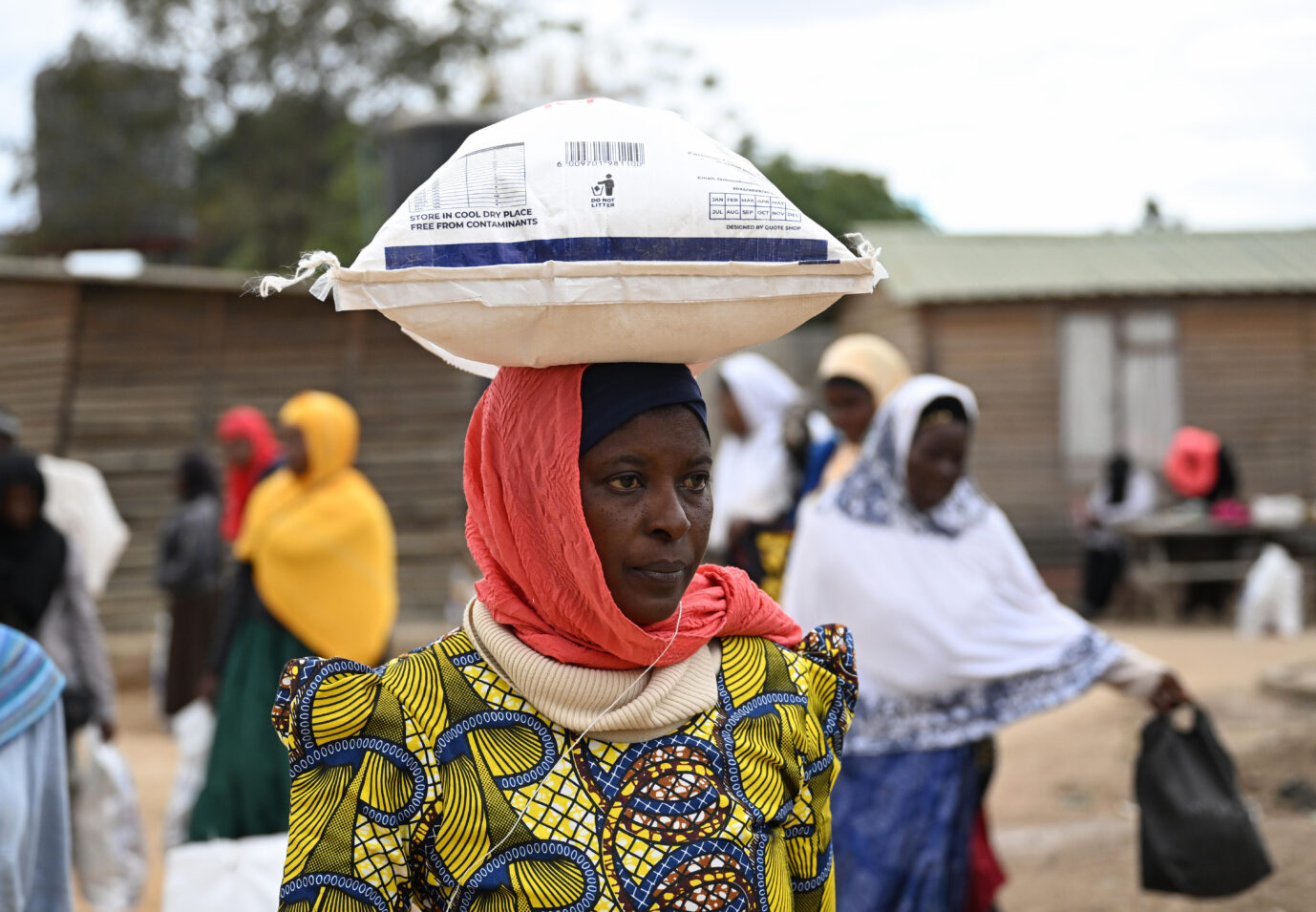
The program, financed through the Federal Ministry for Economic Cooperation and Development, ran from December 2017 until April 2021 under the title “Creating Sustainable Income for 150 Tonga Women in Binga through Production and Marketing of Quality Soaps from Jatropha Oil,” as Junge Freiheit reports.

The initiative was administered by Engagement Global gGmbH and implemented in partnership with the Welthaus Bielefeld association. According to the German government’s response to a parliamentary inquiry from the AfD parliamentary group, the project expanded its target group from the originally planned 150 women to 410 women during its operational period.

Despite the significant public expenditure and expanded scope, the financial returns for African participants remained minimal. Monthly income for the women increased by between two and a maximum of 50 US dollars, depending on the extent of their involvement in the soap production activities. These figures were determined through surveys conducted by the project operator on the ground in Zimbabwe.

Funds Allocated to Infrastructure and Training

The bulk of the funding was directed toward building production capacity, including the construction of storage and office facilities, training women in production processes, and developing sales markets in Zimbabwe’s tourism sector as well as in Germany.

Notably, no independent evaluation of the project was conducted. The federal government stated in its response that not every funded project undergoes qualified evaluation. Furthermore, the government acknowledged it has no concrete information regarding ongoing costs for the women benefiting from the program.

Government Defends Project Efficiency

Despite the modest individual financial gains and lack of independent assessment, the German government maintains a positive view of the project’s efficiency. Officials argued that because more than 400 women ultimately benefited instead of the originally planned 150, the cost-benefit assessment turned out more favorable than anticipated.

The government also pointed to indirect benefits, noting that family members of the participating women, particularly children, were supported through the income generated by the soap production initiative.

The revelation adds to growing scrutiny of development aid spending, particularly projects that require substantial public investment while delivering limited measurable economic impact for direct beneficiaries.

With information from Junge Freiheit
Share:
Stefanos Banos
Stefanos Banos

Stefanos Banos was born in Piraeus and is an editor at NewsFire.GR, specializing in political analysis and international relations. He graduated from the Department of Communication and Media at the University of Bremen in Germany, where he also completed his Master of Arts in Communication and Media Studies. Married to Zoi, he is a proud father of three boys.

The program, financed through the Federal Ministry for Economic Cooperation and Development, ran from December 2017 until April 2021 under the title “Creating Sustainable Income for 150 Tonga Women in Binga through Production and Marketing of Quality Soaps from Jatropha Oil,” as Junge Freiheit reports.

The initiative was administered by Engagement Global gGmbH and implemented in partnership with the Welthaus Bielefeld association. According to the German government’s response to a parliamentary inquiry from the AfD parliamentary group, the project expanded its target group from the originally planned 150 women to 410 women during its operational period.

Despite the significant public expenditure and expanded scope, the financial returns for African participants remained minimal. Monthly income for the women increased by between two and a maximum of 50 US dollars, depending on the extent of their involvement in the soap production activities. These figures were determined through surveys conducted by the project operator on the ground in Zimbabwe.

Funds Allocated to Infrastructure and Training

The bulk of the funding was directed toward building production capacity, including the construction of storage and office facilities, training women in production processes, and developing sales markets in Zimbabwe’s tourism sector as well as in Germany.

Notably, no independent evaluation of the project was conducted. The federal government stated in its response that not every funded project undergoes qualified evaluation. Furthermore, the government acknowledged it has no concrete information regarding ongoing costs for the women benefiting from the program.

Government Defends Project Efficiency

Despite the modest individual financial gains and lack of independent assessment, the German government maintains a positive view of the project’s efficiency. Officials argued that because more than 400 women ultimately benefited instead of the originally planned 150, the cost-benefit assessment turned out more favorable than anticipated.

The government also pointed to indirect benefits, noting that family members of the participating women, particularly children, were supported through the income generated by the soap production initiative.

The revelation adds to growing scrutiny of development aid spending, particularly projects that require substantial public investment while delivering limited measurable economic impact for direct beneficiaries.

With information from Junge Freiheit