Public Broadcaster Conceals Left-Wing Extremism Suspicion in Reutlingen Blackout
German broadcaster ARD is criticized for omitting suspected left-wing extremist motives in its TV coverage of a power station arson in Reutlingen, despite reporting it online.
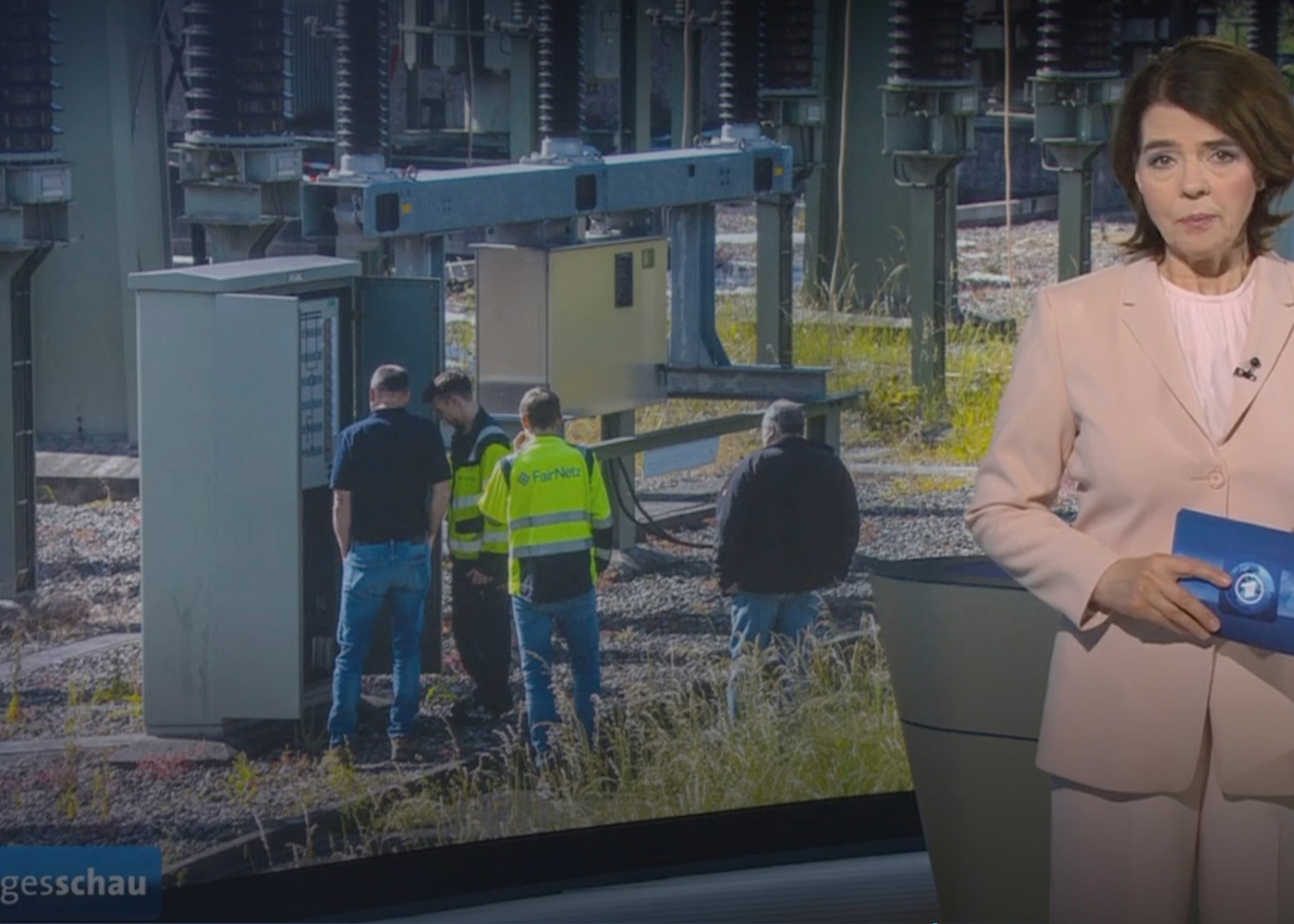

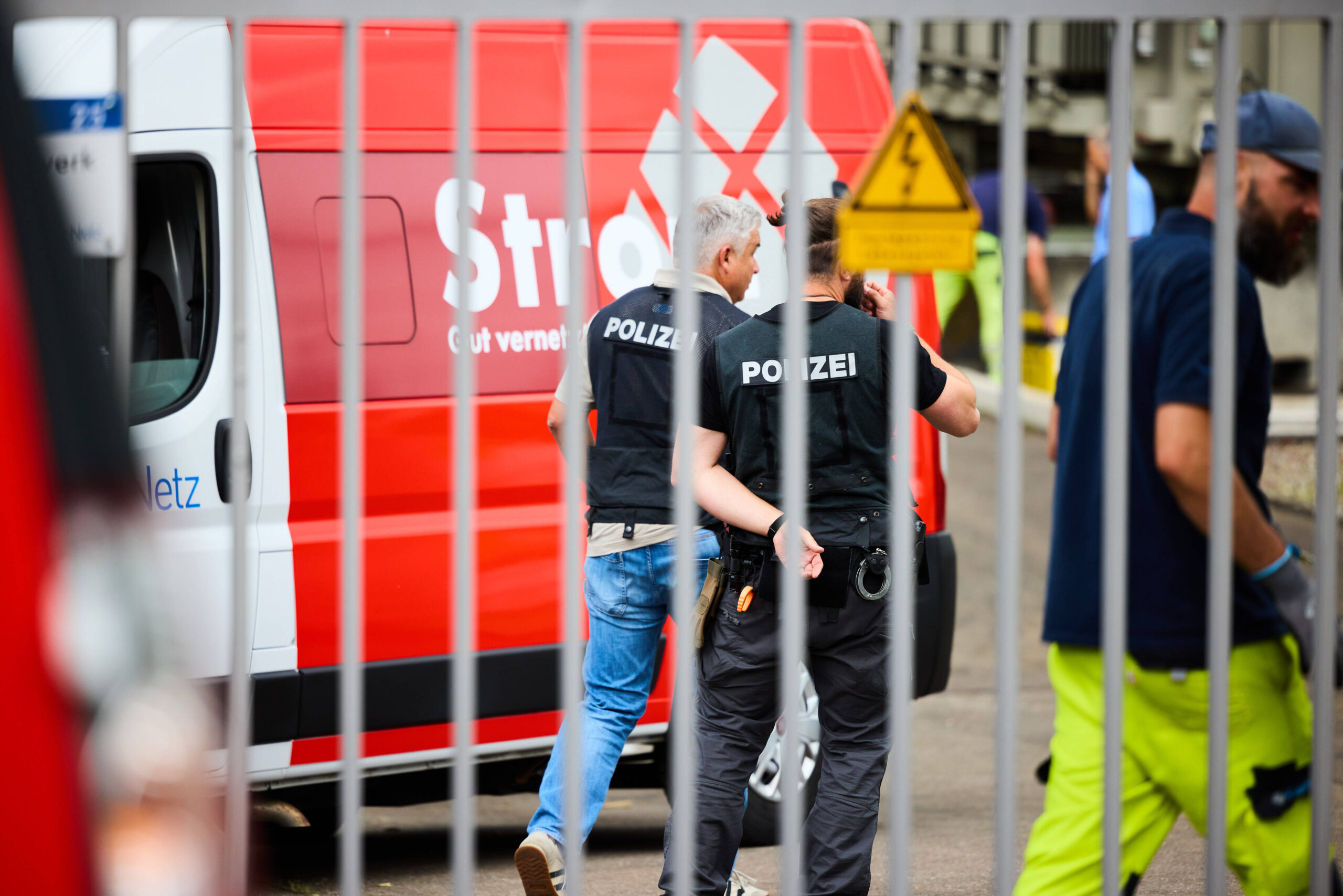
According to Nius, state security services are investigating the sabotage attack on the facility in Baden-Württemberg, where investigators discovered multiple ignition points and damage to perimeter fencing. Security sources indicated that a left-wing extremist background is considered a possible motive, with the state criminal police investigating all leads.
Despite this being public knowledge, ARD’s flagship evening news program Tagesschau omitted any mention of the potential extremist connection in its Monday evening broadcast at 8 p.m. The program reported on the suspected arson and referenced recent attacks on power infrastructure but deliberately avoided informing viewers about the left-wing extremist angle.
The omission appears particularly egregious given that Tagesschau’s own website had already reported earlier that same afternoon on the suspected political motive. As Nius reports, the broadcaster’s online edition stated that security sources believed it could be a left-wing extremist attack. Yet editors chose to withhold this crucial detail from the millions watching the television broadcast, creating the misleading impression of a completely open case with no clear direction.
While no claim of responsibility has been issued and no suspects arrested, the suspicion is far from baseless. Recent months have seen multiple attacks on power infrastructure in Berlin and North Rhine-Westphalia, with left-wing extremist groups claiming responsibility for several incidents. Those attacks similarly targeted critical infrastructure and caused significant service disruptions.
Pattern of Concealment
The editorial decision by Tagesschau represents a troubling pattern among German mainstream media outlets of downplaying or omitting information about left-wing political violence. By selectively withholding the suspected extremist connection from television viewers while reporting it online, the broadcaster appears to have engaged in deliberate information management.
The Reutlingen attack forced major power outages affecting tens of thousands of residents and demonstrated the vulnerability of Germany’s critical infrastructure to ideologically motivated sabotage. Police continue to secure the site and gather forensic evidence to determine the exact cause of the fire and identify those responsible.
The state criminal police agency has taken over the investigation given the serious nature of the attack and its potential political motivation. The discovery of multiple fire sources points to a coordinated operation rather than an accident or single point of failure.
With information from Nius