Necessary Cookies

Required for the site to function. Cannot be disabled.

Analytics Cookies

Help us understand how visitors interact with our site (Google Analytics via GTM).

Marketing Cookies

Used to track visitors and deliver personalised advertisements.

We use cookies to enhance your browsing experience and analyse site traffic. By clicking Accept All, you consent to our use of cookies. Privacy Policy
NewsFire Global
Home News Europe World Christianity Culture Wars Opinion
Information
About Us Authors Advertising Terms & Conditions Privacy Policy Contact
R2B Media
R2B NEWSFIRE.GR PAPAFOTIS.GR THRACTION HELLENIC CONSERVATIVES RIGHT2THEBONE YT
News Europe

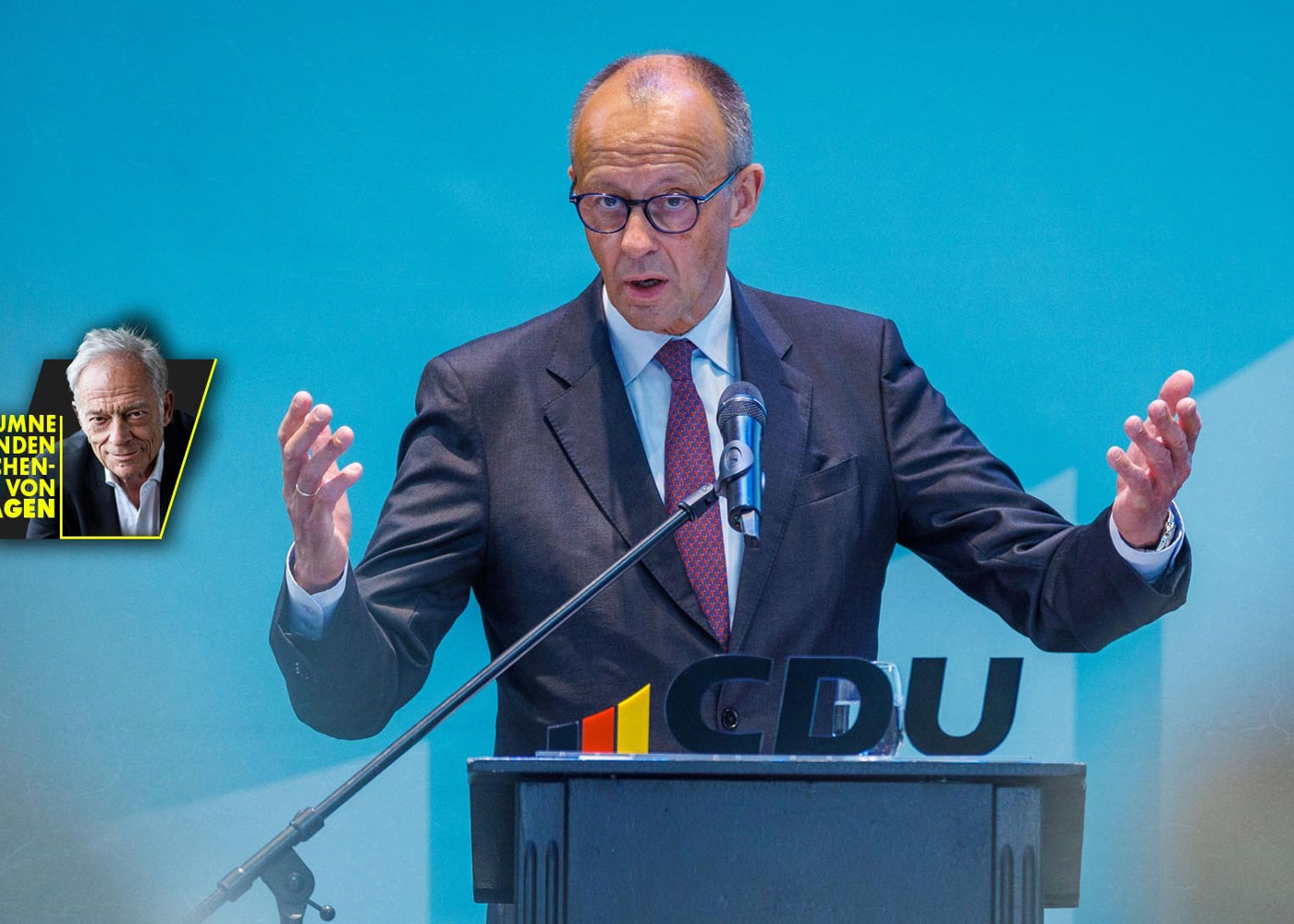
Merz in Mecklenburg-Vorpommern: The applause wanted to end

German Chancellor Friedrich Merz received a tepid reception at a CDU event in Mecklenburg-Vorpommern, with party officials reluctantly applauding only after being prompted by loyalist Philipp Amthor.

Dimitris Papafotis
Dimitris Papafotis Editor in Chief
JUNE 8, 2026 AT 10:40 PM

The awkward scene, captured on video, stands in stark contrast to mainstream media portrayals of the event. The Süddeutsche Zeitung characterized the gathering with a headline reading “Here they are proud of the unpopular chancellor,” describing Merz as receiving a “friendly reception” and suggesting he was “genuinely pleased” by the welcome.

Reality, as Nius reports, told a different story. Video footage reveals what can only be described as a frosty atmosphere. The sole individual offering spontaneous applause was Philipp Amthor, who served as general secretary of the CDU in Mecklenburg-Vorpommern from April 2024 to May 2025.

Amthor was observed hovering around the chancellor before the speech began and clapping encouragingly in an apparent effort to prompt his colleagues to join in. The attempted enthusiasm fell flat among the assembled party members.

Orchestrated Standing Ovation Falls Flat

Following Merz’s address, it was again Amthor who took charge of manufacturing applause. Initially seated and shifting uneasily while clapping, he eventually stood up and nodded to others until a hesitant semblance of a standing ovation materialized. Party members joined in slowly and reluctantly, rising from their chairs one by one in what appeared to be a labored exercise in political courtesy.

The display bore no resemblance to genuine standing ovations familiar from concert halls or theatrical performances, where audiences applaud until their hands hurt in hopes of securing an encore. The irony of such enthusiasm at a political speech was not lost on observers, who noted that prolonged applause for Merz would likely be rewarded not with gratitude but with an additional speech—hardly an incentive for genuine enthusiasm.

The incident highlights growing unease within CDU ranks regarding Merz’s leadership and public appeal. The Mecklenburg-Vorpommern event was meant to rally party support, but instead exposed the considerable gap between official party messaging and grassroots sentiment.

The chancellor had delivered what was described as an “urgent” speech warning of a potential “Big Bang” if reform efforts fail. Yet even this dire messaging failed to ignite passion among his own party faithful in the northeastern state.

The contrast between media spin and observable reality at such events continues to fuel skepticism among voters regarding establishment narratives about political leadership and party unity in Germany.

With information from Nius
Share:
Dimitris Papafotis
Dimitris Papafotis

Dimitris Papafotis is the editor-in-chief of NewsFire.GR. He was born and raised in Athens. He studied at the Journalism Workshop (1991-1993). He currently lives in Pyrgos, Ilia, where he has been active in radio and various newspapers, while also maintaining his personal blog, Papafotis.gr.

The awkward scene, captured on video, stands in stark contrast to mainstream media portrayals of the event. The Süddeutsche Zeitung characterized the gathering with a headline reading “Here they are proud of the unpopular chancellor,” describing Merz as receiving a “friendly reception” and suggesting he was “genuinely pleased” by the welcome.

Reality, as Nius reports, told a different story. Video footage reveals what can only be described as a frosty atmosphere. The sole individual offering spontaneous applause was Philipp Amthor, who served as general secretary of the CDU in Mecklenburg-Vorpommern from April 2024 to May 2025.

Amthor was observed hovering around the chancellor before the speech began and clapping encouragingly in an apparent effort to prompt his colleagues to join in. The attempted enthusiasm fell flat among the assembled party members.

Orchestrated Standing Ovation Falls Flat

Following Merz’s address, it was again Amthor who took charge of manufacturing applause. Initially seated and shifting uneasily while clapping, he eventually stood up and nodded to others until a hesitant semblance of a standing ovation materialized. Party members joined in slowly and reluctantly, rising from their chairs one by one in what appeared to be a labored exercise in political courtesy.

The display bore no resemblance to genuine standing ovations familiar from concert halls or theatrical performances, where audiences applaud until their hands hurt in hopes of securing an encore. The irony of such enthusiasm at a political speech was not lost on observers, who noted that prolonged applause for Merz would likely be rewarded not with gratitude but with an additional speech—hardly an incentive for genuine enthusiasm.

The incident highlights growing unease within CDU ranks regarding Merz’s leadership and public appeal. The Mecklenburg-Vorpommern event was meant to rally party support, but instead exposed the considerable gap between official party messaging and grassroots sentiment.

The chancellor had delivered what was described as an “urgent” speech warning of a potential “Big Bang” if reform efforts fail. Yet even this dire messaging failed to ignite passion among his own party faithful in the northeastern state.

The contrast between media spin and observable reality at such events continues to fuel skepticism among voters regarding establishment narratives about political leadership and party unity in Germany.

With information from Nius