Necessary Cookies

Required for the site to function. Cannot be disabled.

Analytics Cookies

Help us understand how visitors interact with our site (Google Analytics via GTM).

Marketing Cookies

Used to track visitors and deliver personalised advertisements.

We use cookies to enhance your browsing experience and analyse site traffic. By clicking Accept All, you consent to our use of cookies. Privacy Policy
NewsFire Global
Home News Europe World Christianity Culture Wars Opinion
Information
About Us Authors Advertising Terms & Conditions Privacy Policy Contact
R2B Media
R2B NEWSFIRE.GR PAPAFOTIS.GR THRACTION HELLENIC CONSERVATIVES RIGHT2THEBONE YT
News Europe

Kallas: Russia Not Ready for Ukraine Peace Talks Yet

The EU's top diplomat says Russia remains unwilling to negotiate seriously over Ukraine and calls for increased pressure on Moscow and continued military support for Kyiv.
Dimitris Papafotis
Dimitris Papafotis Editor in Chief
JUNE 8, 2026 AT 3:00 PM

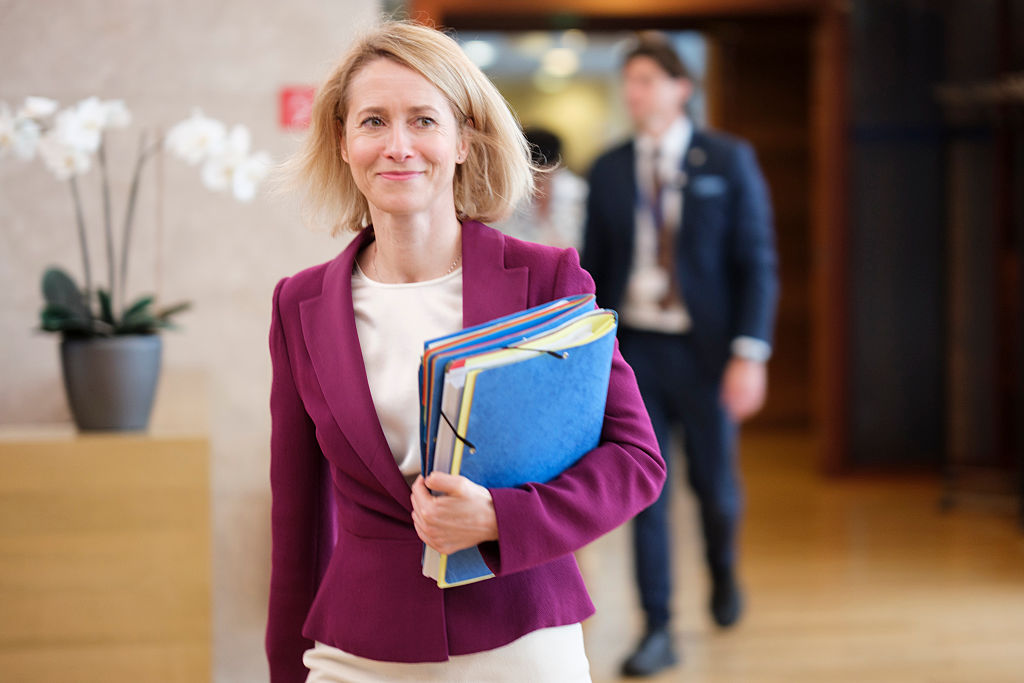
Kaja Kallas, the EU’s High Representative for Foreign Affairs and Security Policy, delivered the assessment on June 8 while arriving at an informal gathering of EU defense ministers in Nicosia, Cyprus, according to Brussels Signal. The former Estonian prime minister urged the bloc to exercise what she termed “strategic patience” and made clear that Brussels was not the party seeking dialogue.

The burden lies with Moscow, Kallas emphasized, noting that it is Russia that must approach the EU if it genuinely wishes to end the war. While she acknowledged that both parties would ultimately need to reach a settlement, she pointed to ongoing Russian strikes as evidence that conditions for serious negotiations remain absent.

Kallas advocated for ramping up pressure on the Kremlin while simultaneously strengthening European backing for Ukraine. She also noted emerging signs of internal Russian discomfort with the prolonged military campaign.

Any future agreement, the EU foreign policy chief added, must reflect European security priorities, particularly regarding potential sanctions relief or the release of frozen Russian state assets. EU foreign ministers have already begun internal discussions about what demands the bloc should present in advance of any eventual talks with Moscow.

Andrius Kubilius, the European defense commissioner, offered a more optimistic assessment of the situation. The Lithuanian official suggested that recent battlefield developments could accelerate the timeline for negotiations.

Kubilius argued that Ukraine appears to be gaining momentum across multiple fronts, including ground operations near Donetsk and Pokrovsk, as well as through long-range strikes deep inside Russian territory. This shifting balance of power, he contended, could compel Putin toward the negotiating table.

The defense commissioner maintained that EU member states retain significant capacity to sustain high levels of military assistance to Kyiv, arguing that strengthening Ukraine’s position represents the most reliable path to durable peace.

Western Leaders Back Ceasefire Framework

The statements from EU officials followed a high-level summit in London on June 7, where British Prime Minister Keir Starmer, French President Emmanuel Macron, German Chancellor Friedrich Merz, and Ukrainian President Volodymyr Zelensky convened to discuss the conflict.

The four leaders endorsed a ceasefire arrangement paired with security guarantees for Ukraine. Their joint declaration outlined conditions for what they described as a “just and lasting peace,” beginning with an immediate and comprehensive ceasefire that would use the current line of contact as the foundation for negotiations.

Russian President Vladimir Putin has thus far rejected Zelensky’s appeals for direct bilateral talks, maintaining Moscow’s position that any negotiations must acknowledge territorial realities on the ground.

The EU’s stance reflects growing Western consensus that military support for Ukraine must continue until Moscow demonstrates genuine willingness to negotiate on terms that respect Ukrainian sovereignty and European security architecture. The debate over what conditions might eventually bring Russia to the table remains central to transatlantic strategic planning as the conflict enters another year.

With information from Brussels Signal
Share:
Dimitris Papafotis
Dimitris Papafotis

Dimitris Papafotis is the editor-in-chief of NewsFire.GR. He was born and raised in Athens. He studied at the Journalism Workshop (1991-1993). He currently lives in Pyrgos, Ilia, where he has been active in radio and various newspapers, while also maintaining his personal blog, Papafotis.gr.

Kaja Kallas, the EU’s High Representative for Foreign Affairs and Security Policy, delivered the assessment on June 8 while arriving at an informal gathering of EU defense ministers in Nicosia, Cyprus, according to Brussels Signal. The former Estonian prime minister urged the bloc to exercise what she termed “strategic patience” and made clear that Brussels was not the party seeking dialogue.

The burden lies with Moscow, Kallas emphasized, noting that it is Russia that must approach the EU if it genuinely wishes to end the war. While she acknowledged that both parties would ultimately need to reach a settlement, she pointed to ongoing Russian strikes as evidence that conditions for serious negotiations remain absent.

Kallas advocated for ramping up pressure on the Kremlin while simultaneously strengthening European backing for Ukraine. She also noted emerging signs of internal Russian discomfort with the prolonged military campaign.

Any future agreement, the EU foreign policy chief added, must reflect European security priorities, particularly regarding potential sanctions relief or the release of frozen Russian state assets. EU foreign ministers have already begun internal discussions about what demands the bloc should present in advance of any eventual talks with Moscow.

Andrius Kubilius, the European defense commissioner, offered a more optimistic assessment of the situation. The Lithuanian official suggested that recent battlefield developments could accelerate the timeline for negotiations.

Kubilius argued that Ukraine appears to be gaining momentum across multiple fronts, including ground operations near Donetsk and Pokrovsk, as well as through long-range strikes deep inside Russian territory. This shifting balance of power, he contended, could compel Putin toward the negotiating table.

The defense commissioner maintained that EU member states retain significant capacity to sustain high levels of military assistance to Kyiv, arguing that strengthening Ukraine’s position represents the most reliable path to durable peace.

Western Leaders Back Ceasefire Framework

The statements from EU officials followed a high-level summit in London on June 7, where British Prime Minister Keir Starmer, French President Emmanuel Macron, German Chancellor Friedrich Merz, and Ukrainian President Volodymyr Zelensky convened to discuss the conflict.

The four leaders endorsed a ceasefire arrangement paired with security guarantees for Ukraine. Their joint declaration outlined conditions for what they described as a “just and lasting peace,” beginning with an immediate and comprehensive ceasefire that would use the current line of contact as the foundation for negotiations.

Russian President Vladimir Putin has thus far rejected Zelensky’s appeals for direct bilateral talks, maintaining Moscow’s position that any negotiations must acknowledge territorial realities on the ground.

The EU’s stance reflects growing Western consensus that military support for Ukraine must continue until Moscow demonstrates genuine willingness to negotiate on terms that respect Ukrainian sovereignty and European security architecture. The debate over what conditions might eventually bring Russia to the table remains central to transatlantic strategic planning as the conflict enters another year.

With information from Brussels Signal