US Shoots Down Iranian Drones After Trump Vows Action in Gulf
American forces intercepted four Iranian attack drones targeting the Strait of Hormuz and struck coastal radar sites, marking another violation of the six-week cease-fire.
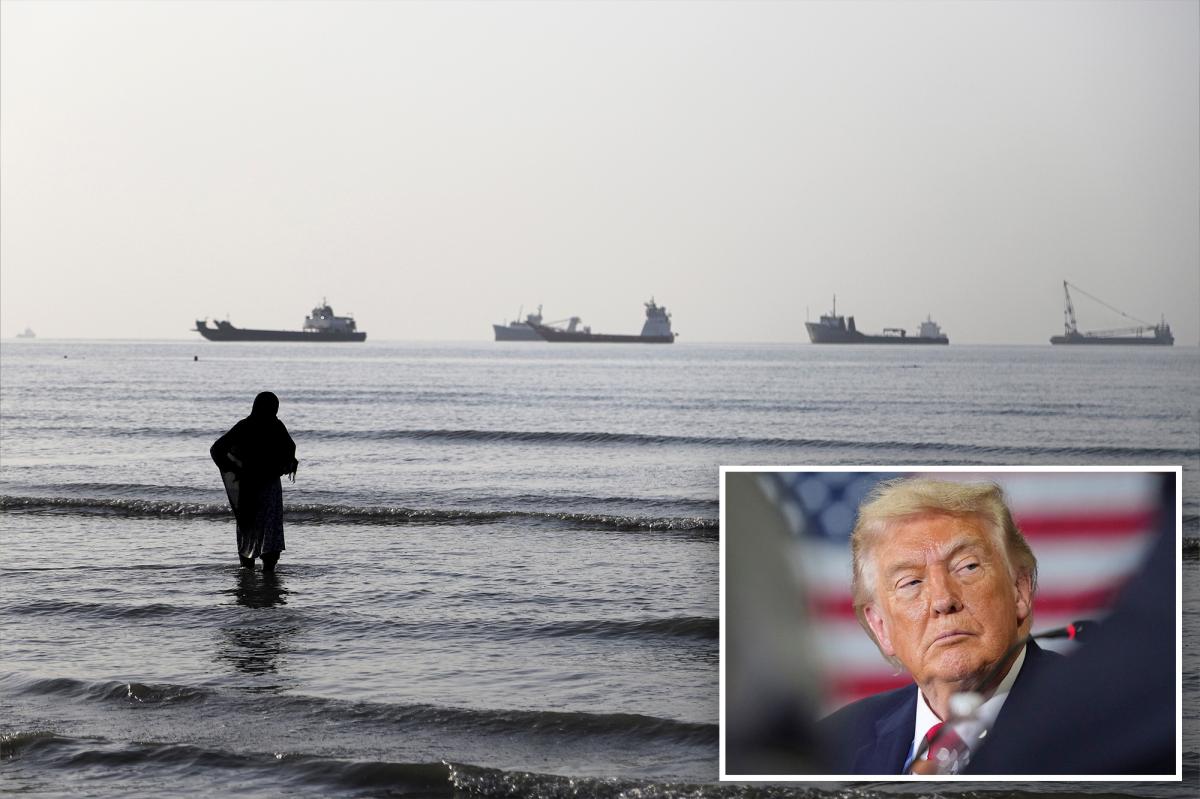

The incident unfolded as President Donald Trump addressed an economic event in Wisconsin, telling attendees he would need to get back to fighting a war, Iran, as New York Post reports. Within hours, CENTCOM confirmed the drone interception and revealed that American forces had also struck Iranian coastal surveillance radar installations at Goruk and on Qeshm Island.
The four one-way attack drones represented an immediate danger to maritime traffic passing through the strategically vital waterway, military officials stated. The retaliatory strikes on radar sites were conducted to prevent additional Iranian attacks against U.S. forces and commercial shipping.
Escalating Violations of Cease-Fire
The confrontation marks the latest breach of a cease-fire agreement that took effect April 8 before peace negotiations in Pakistan that ultimately collapsed. Trump extended what was initially a two-week pause into an indefinite cease-fire on April 21, but violations have mounted steadily in recent weeks.
According to New York Post, the United States has maintained a naval blockade around Iranian ports as part of its economic pressure campaign. Iran has responded by attempting to shut down maritime traffic through the Strait of Hormuz, a chokepoint for global energy supplies, since hostilities began February 28.
Independent Iranian media outlets reported hearing explosions near Bandar Abbas approximately one hour before CENTCOM’s official statement. State-controlled media in Tehran quickly denied those accounts.
Iranian Capabilities Degraded But Intact
In a Friday interview with NBC News, Trump provided an assessment of Iran’s remaining military capacity, stating that Tehran retains roughly 21 to 22 percent of its pre-war missile stockpile along with operational drones.
The president acknowledged that while most drone manufacturing facilities and missile production sites have been eliminated, Iranian forces maintain residual strike capability. American military planners remain concerned about Tehran’s ability to conduct harassing attacks even as its strategic arsenal has been significantly reduced.
Widening Theater of Operations
While most clashes have occurred in and around the Strait of Hormuz, Iran expanded its targeting on Tuesday night by striking at American forces stationed in Kuwait. The attack represented a dangerous escalation beyond the maritime domain where most cease-fire violations have been confined.
CENTCOM emphasized that U.S. forces remain alert and positioned to respond to what it characterized as unjustified Iranian aggression. Military officials have made clear that American personnel will act in self-defense against threats to regional stability and the safety of international shipping lanes.
The Friday drone attack and subsequent American strikes on Iranian radar infrastructure demonstrate that both sides continue conducting offensive operations despite the nominal cease-fire, raising questions about whether a sustainable peace arrangement remains achievable or whether full-scale hostilities will resume.
With information from New York Post