Record Naturalizations Show Germany Creating a New People
Germany naturalized nearly 310,000 foreign nationals in 2025, a historic high driven by 2024 legislative changes that standardized dual citizenship and lowered barriers to obtaining nationality.
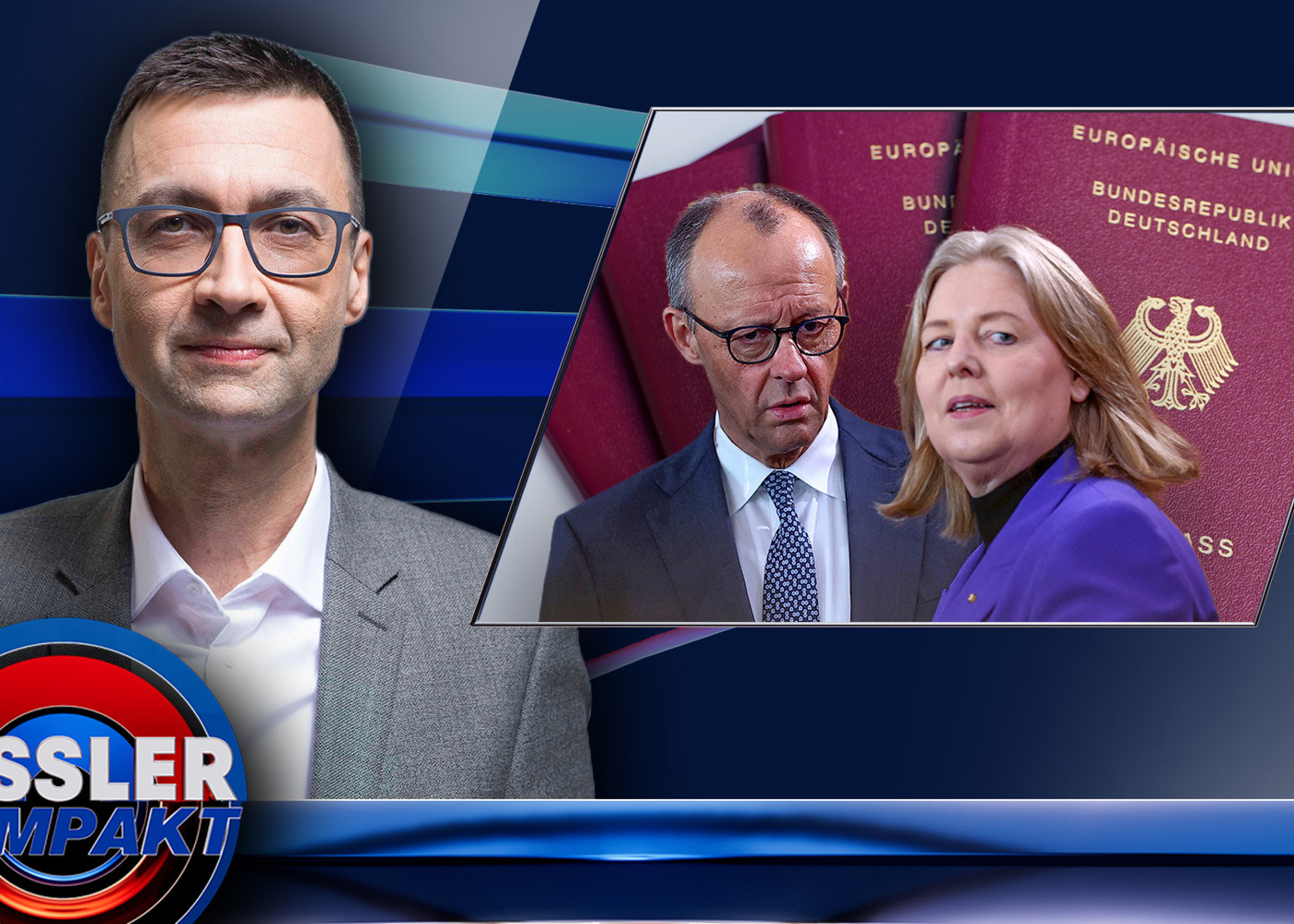

The unprecedented surge in naturalizations is the direct result of legislative changes pushed through by the governing coalition, according to Nius. The 2024 Citizenship Modernization Act made dual citizenship the standard rather than the exception, while simultaneously lowering barriers to obtaining German nationality.
Regional data reveals the dramatic scale of change across the country. In Solingen, 799 residents received naturalization certificates in 2025, the highest figure since the turn of the millennium. Krefeld recorded an even sharper increase, with naturalizations jumping 54 percent to reach 1,230 new German citizens. The state of Thuringia saw naturalizations rise 39.5 percent within a single year.
Political Calculation Behind the Numbers
These figures are not coincidental but reflect calculated political decisions, Nius reports. The governing parties have deliberately facilitated mass naturalization with an eye toward future electoral advantage. By rapidly converting Syrians, Turks, Afghans, and Ukrainians into voting citizens, political elites expect to secure grateful constituencies for parties championing continued migration.
Labor Minister Bärbel Bas has openly endorsed this transformation of Germany’s national composition. The Neue Zürcher Zeitung observed that Germany now naturalizes citizens on an assembly-line basis.
Devaluing Citizenship
Critics warn that citizenship is being treated as disposable merchandise rather than a mark of honor and commitment. The German passport has become a gimmick in the hands of elites constructing a new national body politic, according to the analysis.
The current law allows naturalization after just five years of residency. No one becomes truly integrated with a foreign country after such a brief period, critics argue. A nationality granted after five years represents a parody of genuine citizenship rather than meaningful assimilation.
Imported Problems
The Neue Zürcher Zeitung commentary highlighted concerns about antisemitism imported from Muslim-majority countries now being embedded within the citizenry. Germans are left with little choice but to trust that naturalization authorities know what they are doing, the Swiss newspaper noted, describing this as an untenable situation that receives insufficient public discussion.
The AfD party, which has risen to approximately the same percentage level as Thuringia’s naturalization increase, may reflect public unease with these demographic changes. Whether Germans will accept this fundamental transformation of their national identity remains an open question that demands serious debate, according to the commentary.
Those who genuinely love their country do not squander its passport through indiscriminate distribution, the analysis concludes. The dual citizenship policy and expedited naturalization process both represent errors that weaken national cohesion and identity.
With information from Nius