Necessary Cookies

Required for the site to function. Cannot be disabled.

Analytics Cookies

Help us understand how visitors interact with our site (Google Analytics via GTM).

Marketing Cookies

Used to track visitors and deliver personalised advertisements.

We use cookies to enhance your browsing experience and analyse site traffic. By clicking Accept All, you consent to our use of cookies. Privacy Policy
NewsFire Global
Home News Europe World Christianity Culture Wars Opinion
Information
About Us Authors Advertising Terms & Conditions Privacy Policy Contact
R2B Media
R2B NEWSFIRE.GR PAPAFOTIS.GR THRACTION HELLENIC CONSERVATIVES RIGHT2THEBONE YT
News Culture Wars

Qatar Funds Fifth Column Networks Across the West

A Qatari dissident warns that Western cultural weakness allows authoritarian Middle Eastern regimes to exploit immigration narratives while buying influence across Europe and America.
Stefanos Banos
Stefanos Banos Staff Writer
MAY 24, 2026 AT 9:10 AM

Khalid Al-Hail, who leads Qatar’s democratic opposition from exile, used Lionel Shriver’s controversial new novel A Better Life as a lens to explain how wealthy Gulf states manipulate Western guilt about privilege and prosperity, according to The European Conservative.
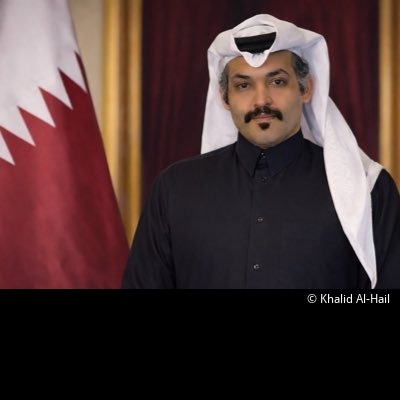
Khalid Al-Hail
Khalid Al-Hail | Photo: Khalid Al-Hail

Shriver’s book, which has drawn fierce criticism from outlets including The New York Times, follows a wealthy Brooklyn divorcee named Gloria Bonaventura who compensates for her perceived privilege by attending street protests for human rights causes. She champions Palestinians, rails against ICE, Trump, and Israel, yet holds her own family to the rigorous Protestant work ethic that created Western prosperity in the first place.

When Gloria takes a Honduran refugee into her home, the consequences illustrate a broader Western failure to defend its own cultural inheritance—a dynamic Al-Hail says is exploited ruthlessly by regimes like Qatar’s.

The Wealth Dynamic Reversed

Al-Hail, himself a wealthy exile from what may be the richest nation per capita on earth, presents a stark contrast to the migration narrative preferred by Western progressives. He fled genuine persecution under Qatar’s Wahhabi regime but receives no attention from those who champion refugee causes, precisely because he requires no charity from his host nation.

The European Conservative reports that Qatar’s sovereign investment fund deploys hundreds of billions of dollars across Western culture, sports, and academia, even as the regime imprisons critics, bans all religions except its radical version of Islam, hosts the Muslim Brotherhood and other terrorist organizations, and jails people for homosexuality.

Buying Western Silence

This massive investment in Western media and institutions serves a deliberate purpose: creating a smokescreen for the very regimes that generate the refugee crises driving millions to seek asylum in generous Western states. Meanwhile, Western elites who pride themselves on compassion ignore dissidents like Al-Hail who actually suffered under authoritarian rule.

The Qatari opposition leader argues that Western culture has opened the door to its enemies by failing to defend privileges its current generation feels it hasn’t earned. This psychological weakness allows foreign powers to exploit guilt-driven policies while genuine victims of oppression go unnoticed if they don’t require—or validate—Western charity.

Al-Hail noted that civil protests against this corruption are beginning to emerge, suggesting growing awareness of how authoritarian regimes weaponize Western immigration debates and cultural institutions against the West itself.

With information from The European Conservative

Share:
Stefanos Banos
Stefanos Banos

Stefanos Banos was born in Piraeus and is an editor at NewsFire.GR, specializing in political analysis and international relations. He graduated from the Department of Communication and Media at the University of Bremen in Germany, where he also completed his Master of Arts in Communication and Media Studies. Married to Zoi, he is a proud father of three boys.

Khalid Al-Hail, who leads Qatar’s democratic opposition from exile, used Lionel Shriver’s controversial new novel A Better Life as a lens to explain how wealthy Gulf states manipulate Western guilt about privilege and prosperity, according to The European Conservative.

Khalid Al-Hail
Khalid Al-Hail | Photo: Khalid Al-Hail

Shriver’s book, which has drawn fierce criticism from outlets including The New York Times, follows a wealthy Brooklyn divorcee named Gloria Bonaventura who compensates for her perceived privilege by attending street protests for human rights causes. She champions Palestinians, rails against ICE, Trump, and Israel, yet holds her own family to the rigorous Protestant work ethic that created Western prosperity in the first place.

When Gloria takes a Honduran refugee into her home, the consequences illustrate a broader Western failure to defend its own cultural inheritance—a dynamic Al-Hail says is exploited ruthlessly by regimes like Qatar’s.

The Wealth Dynamic Reversed

Al-Hail, himself a wealthy exile from what may be the richest nation per capita on earth, presents a stark contrast to the migration narrative preferred by Western progressives. He fled genuine persecution under Qatar’s Wahhabi regime but receives no attention from those who champion refugee causes, precisely because he requires no charity from his host nation.

The European Conservative reports that Qatar’s sovereign investment fund deploys hundreds of billions of dollars across Western culture, sports, and academia, even as the regime imprisons critics, bans all religions except its radical version of Islam, hosts the Muslim Brotherhood and other terrorist organizations, and jails people for homosexuality.

Buying Western Silence

This massive investment in Western media and institutions serves a deliberate purpose: creating a smokescreen for the very regimes that generate the refugee crises driving millions to seek asylum in generous Western states. Meanwhile, Western elites who pride themselves on compassion ignore dissidents like Al-Hail who actually suffered under authoritarian rule.

The Qatari opposition leader argues that Western culture has opened the door to its enemies by failing to defend privileges its current generation feels it hasn’t earned. This psychological weakness allows foreign powers to exploit guilt-driven policies while genuine victims of oppression go unnoticed if they don’t require—or validate—Western charity.

Al-Hail noted that civil protests against this corruption are beginning to emerge, suggesting growing awareness of how authoritarian regimes weaponize Western immigration debates and cultural institutions against the West itself.

With information from The European Conservative