Necessary Cookies

Required for the site to function. Cannot be disabled.

Analytics Cookies

Help us understand how visitors interact with our site (Google Analytics via GTM).

Marketing Cookies

Used to track visitors and deliver personalised advertisements.

We use cookies to enhance your browsing experience and analyse site traffic. By clicking Accept All, you consent to our use of cookies. Privacy Policy
NewsFire Global
Home News Europe World Christianity Culture Wars Opinion Video
Information
About Us Authors Advertising Terms & Conditions Privacy Policy Contact
R2B Media
R2B NEWSFIRE.GR PAPAFOTIS.GR THRACTION HELLENIC CONSERVATIVES RIGHT2THEBONE YT
News World

Mosque Shooter Obsessed With Racist Cartoon Character

The 18-year-old suspect in the San Diego mosque shooting obsessed over a racist cartoon character from a Dutch animated series while connecting with extremists online before carrying out the deadly attack.

Newsroom
Newsroom Staff Writer
MAY 23, 2026 AT 3:41 PM

Vazquez and his 17-year-old accomplice Cain Clark connected through extremist internet communities promoting Nazi and incel rhetoric before carrying out Monday’s deadly assault at the Islamic Center of San Diego, killing three worshippers and leaving others wounded.

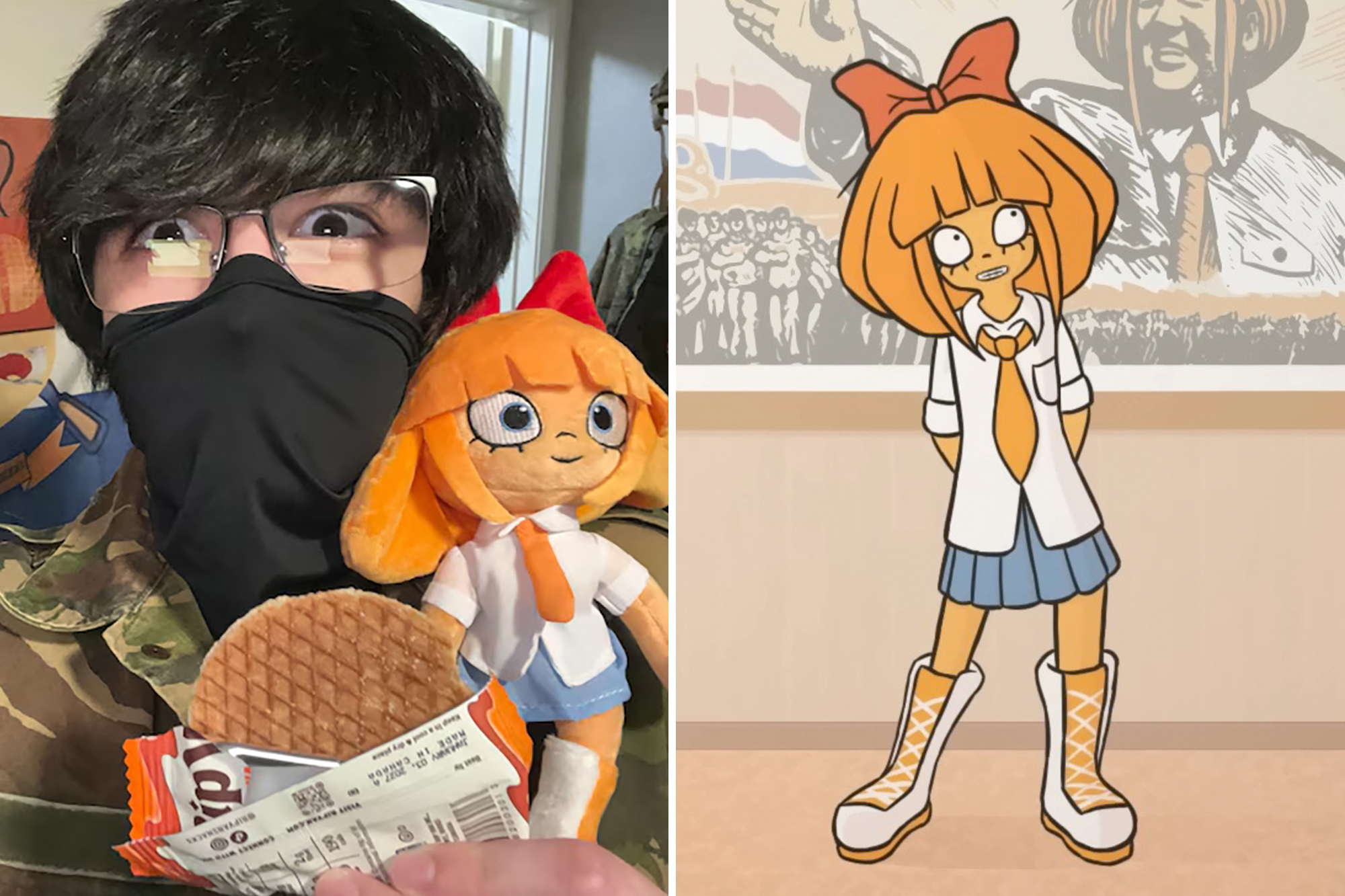
The pair fixated on Mymy Schoppenboer, a schoolgirl character from the discontinued Dutch animated series “Ongezellig” (meaning “Unsociable”), which aired on YouTube from 2018 to 2022. According to the show’s wiki page, the character’s fierce nationalism led her to adopt a racist stance toward Belgium, and though originally Japanese, she actively rejected her heritage to appear more Dutch.

Social media profiles believed to belong to Vazquez displayed the cartoon character as his profile image, and he reportedly reshared clips from the series on a now-suspended TikTok account. An online acquaintance told New York Post that “Ongezellig has a very right wing fanbase for some reason.”

A 75-page manifesto allegedly written by Vazquez and Clark described Mymy as a “based racist nationalist,” noting this characterization accounts for the Nazi-sympathizing audience the show attracts. Approximately two months before the shooting, Vazquez purchased a handmade Mymy plush doll from an Etsy seller operating under the username Soy Toys.

The seller confirmed to New York Post that Vazquez was an enthusiastic customer who left a review featuring a photograph of himself in camouflage and a black face mask posed with the doll.

Radical Online Circles and Warning Signs

Law enforcement discovered Vazquez participated in a TikTok group chat called “THOSE WHO ARE SIEGESTS,” described by associates as an accelerationist and National Socialist community promoting anti-immigration and antisemitic content. Acquaintances revealed that Vazquez repeatedly expressed hostility toward Muslim populations, claiming they sought disproportionate influence and intended to impose Sharia law through violent means.

Mark Remily, the FBI special agent in charge in San Diego, stated that the manifesto “covered a wide aspect of races and religions,” indicating the attackers harbored broad-based hatred.

Red flags emerged in January 2025 when law enforcement conducted a welfare check on Vazquez, documenting that he was “involved in suspicious behavior idolizing Nazis and mass shooters.” Authorities filed a court order to confiscate firearms from the residence, but Vazquez’s parents voluntarily surrendered their weapons days before the order took effect.

On the day of the attack, Clark’s mother contacted police after her suicidal son left their home with her firearms. Livestream footage captured Clark shooting Vazquez fatally before taking his own life. The three victims identified were Mansour Kaziha, Amin Abdullah, and Nadir Awad.

Family Statement and Community Aftermath

Vazquez’s family released a statement acknowledging their son was on the autism spectrum and struggled with self-acceptance while absorbing extremist material circulating online. The family attributed his radicalization to a combination of personal identity conflict and exposure to hateful propaganda across social media platforms and internet forums.

“Our pain does not compare to the suffering of the victims and their families,” the statement read, emphasizing that attention should remain focused on those directly affected by the tragedy rather than the perpetrators.

With information from New York Post

Share:
Newsroom
Newsroom

NewsFire.GR is a website created with the hope that the media will rediscover their true identity, which is none other than informing the public about the real stakes of our times. Journalism and political analysis must hold power accountable, not serve it.

Vazquez and his 17-year-old accomplice Cain Clark connected through extremist internet communities promoting Nazi and incel rhetoric before carrying out Monday’s deadly assault at the Islamic Center of San Diego, killing three worshippers and leaving others wounded.

The pair fixated on Mymy Schoppenboer, a schoolgirl character from the discontinued Dutch animated series “Ongezellig” (meaning “Unsociable”), which aired on YouTube from 2018 to 2022. According to the show’s wiki page, the character’s fierce nationalism led her to adopt a racist stance toward Belgium, and though originally Japanese, she actively rejected her heritage to appear more Dutch.

Social media profiles believed to belong to Vazquez displayed the cartoon character as his profile image, and he reportedly reshared clips from the series on a now-suspended TikTok account. An online acquaintance told New York Post that “Ongezellig has a very right wing fanbase for some reason.”

A 75-page manifesto allegedly written by Vazquez and Clark described Mymy as a “based racist nationalist,” noting this characterization accounts for the Nazi-sympathizing audience the show attracts. Approximately two months before the shooting, Vazquez purchased a handmade Mymy plush doll from an Etsy seller operating under the username Soy Toys.

The seller confirmed to New York Post that Vazquez was an enthusiastic customer who left a review featuring a photograph of himself in camouflage and a black face mask posed with the doll.

Radical Online Circles and Warning Signs

Law enforcement discovered Vazquez participated in a TikTok group chat called “THOSE WHO ARE SIEGESTS,” described by associates as an accelerationist and National Socialist community promoting anti-immigration and antisemitic content. Acquaintances revealed that Vazquez repeatedly expressed hostility toward Muslim populations, claiming they sought disproportionate influence and intended to impose Sharia law through violent means.

Mark Remily, the FBI special agent in charge in San Diego, stated that the manifesto “covered a wide aspect of races and religions,” indicating the attackers harbored broad-based hatred.

Red flags emerged in January 2025 when law enforcement conducted a welfare check on Vazquez, documenting that he was “involved in suspicious behavior idolizing Nazis and mass shooters.” Authorities filed a court order to confiscate firearms from the residence, but Vazquez’s parents voluntarily surrendered their weapons days before the order took effect.

On the day of the attack, Clark’s mother contacted police after her suicidal son left their home with her firearms. Livestream footage captured Clark shooting Vazquez fatally before taking his own life. The three victims identified were Mansour Kaziha, Amin Abdullah, and Nadir Awad.

Family Statement and Community Aftermath

Vazquez’s family released a statement acknowledging their son was on the autism spectrum and struggled with self-acceptance while absorbing extremist material circulating online. The family attributed his radicalization to a combination of personal identity conflict and exposure to hateful propaganda across social media platforms and internet forums.

“Our pain does not compare to the suffering of the victims and their families,” the statement read, emphasizing that attention should remain focused on those directly affected by the tragedy rather than the perpetrators.

With information from New York Post