
Europe’s Energy Crisis May Hit Before Winter Arrives
Europe faces a severe energy crisis in autumn 2026 as geopolitical tensions and extreme weather compound problems that emerged during the pandemic and worsened after Russia's invasion of Ukraine.
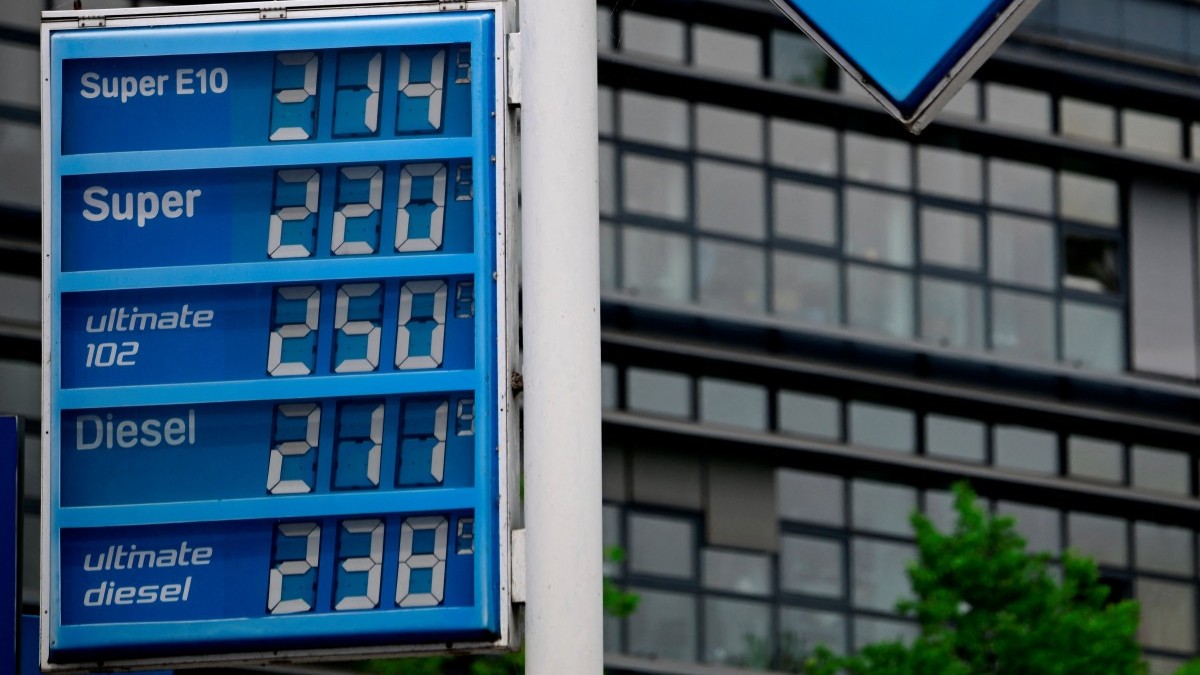

The continent’s energy predicament has evolved dramatically from the initial concerns about winter supply shortages that dominated headlines in 2021 and 2022. What was once framed through the lens of the popular phrase from the television series Game of Thrones has now transformed into a far more urgent challenge: Europe must first survive the coming autumn before it can even worry about winter.
A Decade Defined by Energy Turmoil
The International Energy Agency’s World Energy Outlook 2025 notes that energy sits at the centre of current geopolitical tensions, a reality that applies with particular force to the European Union. The continent’s recent history has been shaped fundamentally by the intersection of energy supply crises and geopolitical upheaval.
As The European Conservative reports, the energy price surge began gradually in the second half of 2021, then accelerated sharply following the outbreak of war in Ukraine. What followed has been a period of sustained difficulty for European consumers and industry alike, with the bloc’s energy costs reaching unprecedented levels.
New Pressures Compound Old Problems
By late summer 2026, the situation has deteriorated further rather than improved. The ongoing conflict in Ukraine continues to disrupt established energy supply patterns, while the EU’s attempts to restructure its energy procurement have proven more difficult and costly than initially anticipated.
Adding to these persistent challenges, heightened tensions across the Middle East now threaten additional supply routes and pricing stability. Simultaneously, extreme summer weather conditions have placed unexpected strain on European energy infrastructure and consumption patterns, creating a perfect storm of vulnerabilities heading into the traditionally higher-demand autumn and winter seasons.
The third decade of the twenty-first century has thus far been characterized by a fundamental reshaping of Europe’s energy landscape, driven by the convergence of pandemic aftermath effects, military conflict, and geopolitical realignment. The EU’s energy expenditure during the initial pandemic recovery and the opening years of the Ukraine war established a pattern of elevated costs and supply insecurity that has now become entrenched.
With information from The European Conservative





