Necessary Cookies

Required for the site to function. Cannot be disabled.

Analytics Cookies

Help us understand how visitors interact with our site (Google Analytics via GTM).

Marketing Cookies

Used to track visitors and deliver personalised advertisements.

We use cookies to enhance your browsing experience and analyse site traffic. By clicking Accept All, you consent to our use of cookies. Privacy Policy
NewsFire Global
Home News Europe World Christianity Culture Wars Opinion Video
Information
About Us Authors Advertising Terms & Conditions Privacy Policy Contact
R2B Media
R2B NEWSFIRE.GR PAPAFOTIS.GR THRACTION HELLENIC CONSERVATIVES RIGHT2THEBONE YT
News Europe

Greece’s S-300 systems in the Dome: How Ukraine could revive them

Greece explores extending the operational life of its S-300PMU-1 air defense systems using Ukrainian expertise as the Achilles Shield interstate agreement transitions to implementation.
Stefanos Banos
Stefanos Banos Staff Writer
SEPTEMBER 2, 2026 AT 1:31 PM

The signing of the interstate “Achilles Shield” agreement on 31 August activates the program’s transition from approval to implementation, with the aim of establishing a unified network of sensors, command, and fire units. At the same time, an intriguing possibility is emerging: the dynamic renewal of S-300PMU-1 systems through expertise developed in Ukraine, according to Ptisi & Diastima (Flight & Space), as Greece seeks to extend the operational life of its Soviet-era air defense systems.

Historical Connections and Modern Solutions

A potential cooperation program with Ukraine could address all the aforementioned problems. On one hand, S-300 radars could utilize data from newer surveillance systems, such as the ELM-2084 systems envisioned in the contract. On the other hand, procurement of the TRML-4D radar could provide an additional data source and facilitate the integration of S-300 systems into the broader air defense network.

At the same time, the Russian-origin radars of the S-300 systems could undergo maintenance and modernization of their electronic components.

Ukrainian Expertise as Strategic Advantage

Ukraine has accumulated decades of experience in maintaining and repairing systems of the S-300 family. Since 2004, the company Ukroboronservice has conducted operational life extension work on S-300 systems and 5V55 missiles. However, Ukrainian expertise gained even greater significance after 2014, when Ukraine was forced to maintain Soviet-origin systems in operational condition using its own means and methods.

This experience is not limited to launchers and missiles, but extends to electronics as well. Ukrainian companies have developed solutions for repairing radar components, while they have worked on computers, memories, self-diagnostic systems and communications, as well as the digitization of older Soviet radars. A characteristic example: the 35D6M, capable of cooperating with S-300PS and transferring data from a modernized sensor to an older anti-aircraft system.

Στοιχείο της 11ης Μοίρας Κατευθυνόμενων Βλημάτων S-300
Στοιχείο της 11ης Μοίρας Κατευθυνόμενων Βλημάτων. Ο τεχνικός έλεγχος θα καθορίσει ποια υποσυστήματα μπορούν να επισκευαστούν ή να αντικατασταθούν. Φωτογραφία Πολεμική Αεροπορία | Photo: flight.com.gr

For Greece, this expertise could be utilized in a modernization program for the S-300PMU-1, including the inspection and repair of individual units, replacement of outdated electronics, installation of modern navigation and secure communications systems, as well as the addition of an appropriate gateway for data exchange with other air defense systems.

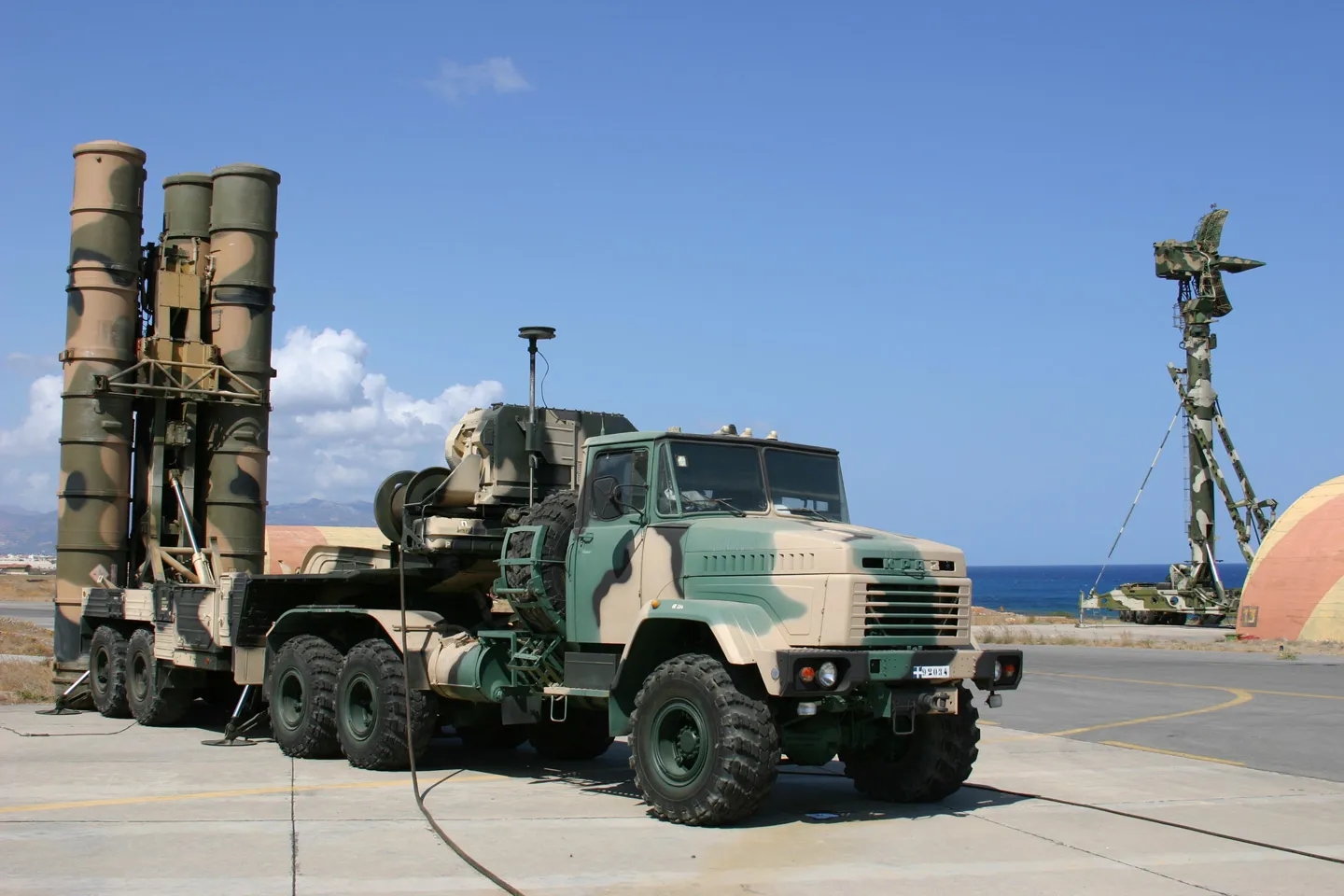
Ελληνικό συγκρότημα S-300PMU-1 σε θέση ανάπτυξης
Ελληνικό συγκρότημα S-300PMU-1. Τα οργανικά ραντάρ παραμένουν απαραίτητα για την εμπλοκή με 48N6E μέχρι να πιστοποιηθεί διαφορετική αλυσίδα καθοδήγησης. Φωτογραφία Πολεμική Αεροπορία | Photo: flight.com.gr

The Missile Issue

Greek S-300PMU-1 systems use the 48N6E missile, while Ukrainian expertise primarily concerns the older 5V55. The PMU-1 family has been presented with the capability to use 5V55R and 5V55K missiles, offering a technical starting point for developing or reconstructing a compatible missile. Its application to Greek S-300 systems would require testing and certification.

Such a missile could be used to engage targets such as aircraft and cruise missiles, while 48N6E missiles would be retained for longer-range engagements. According to published reports, the US and Ukraine are working on repairing existing missiles and developing a new missile for S-300 systems. Retired Colonel Robert Hamilton estimates that production could begin towards the end of 2026, with annual production of one hundred to several hundred missiles. This is, however, an estimate regarding a program under development; the cost and technical characteristics of the upgraded missile have not been publicly disclosed.

A Potential Exchange Agreement

A possible exchange agreement could give the Ukrainian side access to stockpiles of old Greek missiles, while Greece would secure the ability to modernize and renew its own stockpile. Extending the operational life of S-300PMU-1 systems would also constitute a significant recalibration of Greek air defense during the transitional period, before “Achilles Shield” achieves full operational capability.

Source: Πτήση & Διάστημα

Share:
Stefanos Banos
Stefanos Banos

Stefanos Banos was born in Piraeus and is an editor at NewsFire.GR, specializing in political analysis and international relations. He graduated from the Department of Communication and Media at the University of Bremen in Germany, where he also completed his Master of Arts in Communication and Media Studies. Married to Zoi, he is a proud father of three boys.

The signing of the interstate “Achilles Shield” agreement on 31 August activates the program’s transition from approval to implementation, with the aim of establishing a unified network of sensors, command, and fire units. At the same time, an intriguing possibility is emerging: the dynamic renewal of S-300PMU-1 systems through expertise developed in Ukraine, according to Ptisi & Diastima (Flight & Space), as Greece seeks to extend the operational life of its Soviet-era air defense systems.

Όχημα διοίκησης της ελληνικής συστοιχίας S-300PMU-1
Όχημα διοίκησης της ελληνικής συστοιχίας S-300PMU-1. Η διασύνδεση με τον ελληνικό Θόλο αποτελεί βασικό σκέλος της πρότασης. Φωτογραφία Πολεμική Αεροπορία | Photo: flight.com.gr

New Architecture for Soviet-Era Systems

Defense Minister Nikos Dendias, in a briefing on 23 July, had described “Achilles Shield” as a system for collecting and processing data from sensors across the country, capable of proposing the appropriate response. On the same occasion, he had classified the S-300 systems as being phased out.

The reality of the war in Ukraine, however, opens a different path: extending the operational life of the S-300PMU-1, renewing the missile stockpile, and integrating them into the new network architecture of the Dome (Tholos).

Εκτόξευση βλήματος από ελληνικό σύστημα S-300
Εκτόξευση βλήματος S-300. Η ανανέωση του αποθέματος απαιτεί πιστοποίηση κάθε νέας ή ανακατασκευασμένης διαμόρφωσης. Φωτογραφία Πολεμική Αεροπορία | Photo: flight.com.gr

What Greece Already Possesses

Greece has already made significant investments in S-300PMU-1 systems, acquiring launchers, radars, command centers and accompanying infrastructure, as well as training personnel. Today, however, their operational value is limited by three main factors:

The dominant factor that suggests (even mandates) their retirement, however, is the substantial impossibility of support; because the electronic systems of the S-300 systems in Greek possession can no longer source replacement components from alternative suppliers.

Στελέχη των HENSOLDT και Fire Point υπογράφουν συμφωνία για το FREYJA
Ο διευθύνων σύμβουλος της HENSOLDT Oliver Dörre και η διευθύνουσα σύμβουλος της Fire Point Iryna Terekh κατά την υπογραφή του μνημονίου για το FREYJA. | Photo: flight.com.gr
Ραντάρ πολλαπλών αποστολών ELM-2084 σε ανεπτυγμένη θέση
Το ELM-2084 αποτελεί την πρώτη επιλογή για τη μεταφορά ιχνών προς το κέντρο διοίκησης των S-300. Φωτογραφία US Missile Defense Agency | Photo: flight.com.gr

Historical Connections and Modern Solutions

A potential cooperation program with Ukraine could address all the aforementioned problems. On one hand, S-300 radars could utilize data from newer surveillance systems, such as the ELM-2084 systems envisioned in the contract. On the other hand, procurement of the TRML-4D radar could provide an additional data source and facilitate the integration of S-300 systems into the broader air defense network.

At the same time, the Russian-origin radars of the S-300 systems could undergo maintenance and modernization of their electronic components.

Κινητό ραντάρ AESA TRML-4D της HENSOLDT
Το TRML-4D της HENSOLDT μπορεί να λειτουργήσει αυτόνομα και να τροφοδοτήσει δίκτυο αεράμυνας με ίχνη στόχων. | Photo: flight.com.gr
Ραντάρ TRML-4D τοποθετημένο σε όχημα
Η διαμόρφωση του TRML-4D σε όχημα επιτρέπει γρήγορη ανάπτυξη και αλλαγή θέσης. | Photo: flight.com.gr

Ukrainian Expertise as Strategic Advantage

Ukraine has accumulated decades of experience in maintaining and repairing systems of the S-300 family. Since 2004, the company Ukroboronservice has conducted operational life extension work on S-300 systems and 5V55 missiles. However, Ukrainian expertise gained even greater significance after 2014, when Ukraine was forced to maintain Soviet-origin systems in operational condition using its own means and methods.

This experience is not limited to launchers and missiles, but extends to electronics as well. Ukrainian companies have developed solutions for repairing radar components, while they have worked on computers, memories, self-diagnostic systems and communications, as well as the digitization of older Soviet radars. A characteristic example: the 35D6M, capable of cooperating with S-300PS and transferring data from a modernized sensor to an older anti-aircraft system.

Στοιχείο της 11ης Μοίρας Κατευθυνόμενων Βλημάτων S-300
Στοιχείο της 11ης Μοίρας Κατευθυνόμενων Βλημάτων. Ο τεχνικός έλεγχος θα καθορίσει ποια υποσυστήματα μπορούν να επισκευαστούν ή να αντικατασταθούν. Φωτογραφία Πολεμική Αεροπορία | Photo: flight.com.gr

For Greece, this expertise could be utilized in a modernization program for the S-300PMU-1, including the inspection and repair of individual units, replacement of outdated electronics, installation of modern navigation and secure communications systems, as well as the addition of an appropriate gateway for data exchange with other air defense systems.

Ελληνικό συγκρότημα S-300PMU-1 σε θέση ανάπτυξης
Ελληνικό συγκρότημα S-300PMU-1. Τα οργανικά ραντάρ παραμένουν απαραίτητα για την εμπλοκή με 48N6E μέχρι να πιστοποιηθεί διαφορετική αλυσίδα καθοδήγησης. Φωτογραφία Πολεμική Αεροπορία | Photo: flight.com.gr

The Missile Issue

Greek S-300PMU-1 systems use the 48N6E missile, while Ukrainian expertise primarily concerns the older 5V55. The PMU-1 family has been presented with the capability to use 5V55R and 5V55K missiles, offering a technical starting point for developing or reconstructing a compatible missile. Its application to Greek S-300 systems would require testing and certification.

Such a missile could be used to engage targets such as aircraft and cruise missiles, while 48N6E missiles would be retained for longer-range engagements. According to published reports, the US and Ukraine are working on repairing existing missiles and developing a new missile for S-300 systems. Retired Colonel Robert Hamilton estimates that production could begin towards the end of 2026, with annual production of one hundred to several hundred missiles. This is, however, an estimate regarding a program under development; the cost and technical characteristics of the upgraded missile have not been publicly disclosed.

A Potential Exchange Agreement

A possible exchange agreement could give the Ukrainian side access to stockpiles of old Greek missiles, while Greece would secure the ability to modernize and renew its own stockpile. Extending the operational life of S-300PMU-1 systems would also constitute a significant recalibration of Greek air defense during the transitional period, before “Achilles Shield” achieves full operational capability.

Source: Πτήση & Διάστημα


