
Turkey’s Regional Ambitions Face Growing Resistance
Turkey plans to build an undersea gas pipeline to occupied northern Cyprus, escalating efforts to cement Ankara's control and undermine reunification prospects with the Republic of Cyprus.
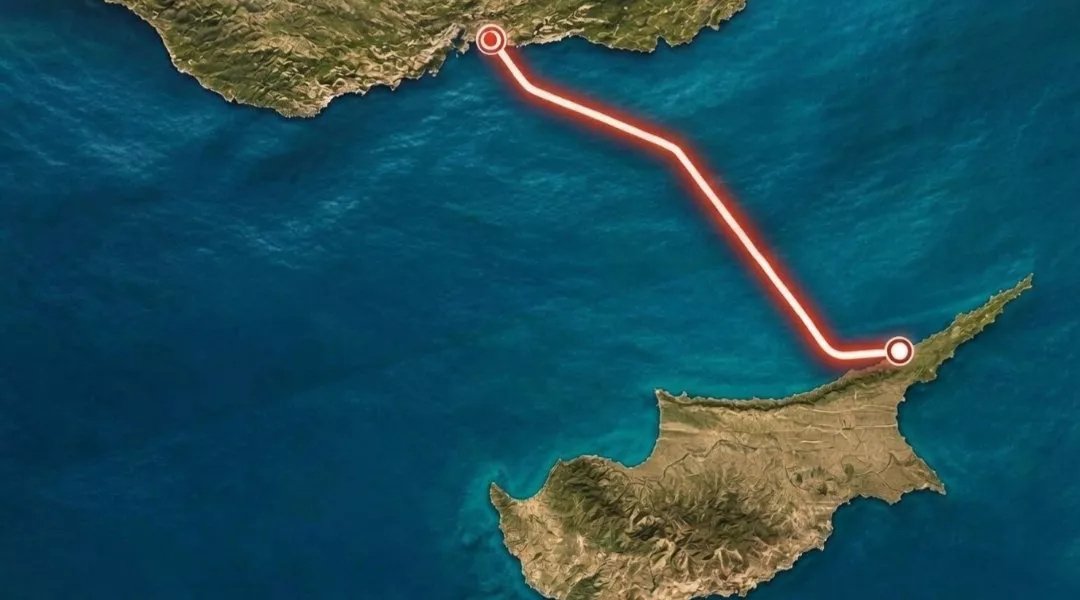

The pipeline project represents an escalation in Turkey’s long-term strategy to bind the Turkish Pseudostate in Northern Cyprus into complete dependence on Ankara, according to in-cyprus (Philenews). The natural gas initiative follows an earlier project that already pipes water from Turkey to the occupied zone, and reports suggest electricity integration may be next on the agenda.
Observers note that these infrastructure projects serve a singular strategic purpose: ensuring total reliance of the occupied territories on Turkey, effectively cementing Ankara’s control and undermining any prospect of reunification under the internationally recognized Republic of Cyprus.
Cyprus Pushes Back at UN and EU
The Republic of Cyprus has mounted a robust diplomatic response across multiple international forums. Ambassador Maria Michael, Cyprus’s Permanent Representative to the United Nations, formally protested the Turkish scheme in a letter to UN Secretary-General António Guterres dated 7 August 2026.
In her communication, Ambassador Michael demanded that Turkey comply fully with its obligations under international law, respect the sovereignty, rights, and jurisdiction of the Republic of Cyprus, and immediately withdraw from the unlawful memorandum of understanding regarding the proposed undersea gas pipeline. She also called on Ankara to halt all related activities without delay.
The ambassador’s letter presented evidence that Turkey has already begun preparatory operations for the illegal project. On 21 July 2026, Turkish authorities issued a maritime notice announcing the deployment of research vessels including the “Oruç Reis”, “Denar Explorer”, “Denar Pathfinder”, and “Denar Surveyor” to conduct preliminary survey work in connection with the pipeline scheme, as in-cyprus (Philenews) reports.
Clear Violation of Sovereignty
The planned pipeline constitutes a blatant violation of the Republic of Cyprus’s sovereignty over its territory and territorial waters. Legal experts and Cypriot officials argue that such flagrant disregard for international law cannot be ignored by the international community.
While the United Nations may lack effective enforcement mechanisms to counter Turkish violations, the European Union possesses concrete tools that could compel Ankara to cease its unlawful activities. At a time when Turkey is simultaneously challenging Greek sovereignty in the Aegean and Eastern Mediterranean, Brussels faces growing pressure to take decisive action.
The core issue, observers note, is not the absence of leverage but rather the lack of political will within European institutions to deploy the economic and diplomatic instruments at their disposal. Turkey’s pattern of imposing illegal facts on the ground will continue, critics argue, as long as Western powers decline to impose meaningful consequences.
With information from in-cyprus (Philenews)





