Necessary Cookies

Required for the site to function. Cannot be disabled.

Analytics Cookies

Help us understand how visitors interact with our site (Google Analytics via GTM).

Marketing Cookies

Used to track visitors and deliver personalised advertisements.

We use cookies to enhance your browsing experience and analyse site traffic. By clicking Accept All, you consent to our use of cookies. Privacy Policy
NewsFire Global
Home News Europe World Christianity Culture Wars Opinion Video
Information
About Us Authors Advertising Terms & Conditions Privacy Policy Contact
R2B Media
R2B NEWSFIRE.GR PAPAFOTIS.GR THRACTION HELLENIC CONSERVATIVES RIGHT2THEBONE YT
News World

Ukrainian Man Arrested Over Nord Stream Pipeline Blasts

German authorities arrested a Ukrainian national in Croatia on Wednesday in connection with the September 2022 sabotage of the Nord Stream gas pipelines linking Russia and Germany.

AUGUST 19, 2026 AT 5:25 PM

The suspect, identified only as Vladimir Z. in accordance with German privacy regulations, was taken into custody Wednesday by Croatian police in the coastal city of Pula, according to New York Post. He was detained under a European arrest warrant issued by Germany’s federal prosecutor.

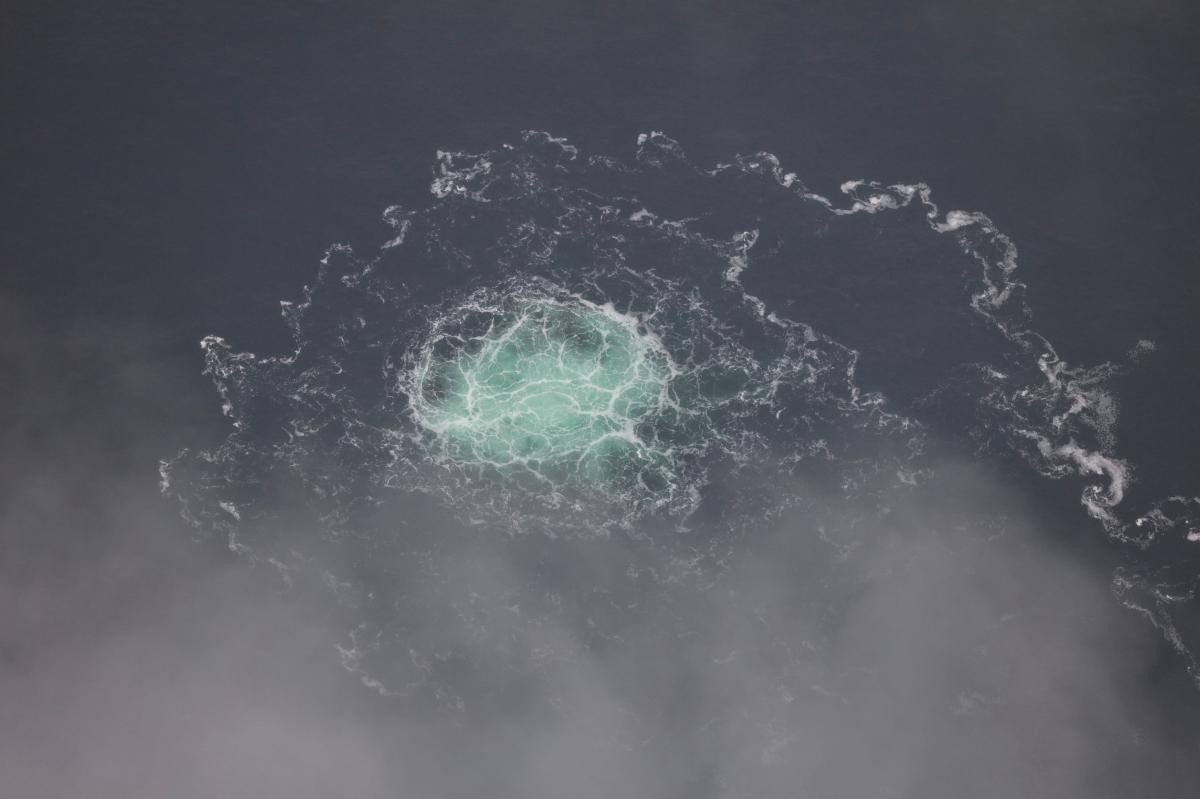
The arrest relates to the underwater blasts that struck the Nord Stream infrastructure on September 26, 2022, severely damaging the pipeline system designed to transport Russian natural gas directly to Germany through Baltic Sea waters.

The sabotage incident occurred against the backdrop of Russia’s military operation in Ukraine, at a time when European nations were actively working to reduce their dependence on Russian energy supplies. The explosions heightened geopolitical tensions and raised immediate questions about energy security across the continent.

The pipeline damage effectively severed a major artery for Russian gas flowing into Western Europe, though European governments had already been moving to diversify their energy sources away from Moscow following the outbreak of the Ukraine conflict.

German prosecutors have been investigating the incident for over two years, with the case raising complex questions about infrastructure security and the vulnerability of critical energy networks in international waters.

The arrest of a Ukrainian citizen in connection with the explosions adds another layer to the ongoing debate about the attack’s origins and who ultimately benefited from the pipeline’s destruction.

With information from New York Post

Share:
Eleni Papadaki-Van Der Merwe

She was born in 1986 in Johannesburg, South Africa. She is the granddaughter of an immigrant from Crete who settled in the Greek community of Johannesburg (one of the largest in Africa). She holds a bachelor’s degree in International Relations and Political Science from the University of the Witwatersrand (Wits) in Johannesburg and a master’s degree in Journalism from Rhodes University in Grahamstown. She began her career at English-language media outlets in Johannesburg, covering politics and economics, with a focus on issues related to migration and the diaspora. She moved to Athens in 2015 to “return to her roots,” initially to pursue graduate studies, and has remained there permanently. She is married to an Afrikaner; they have two children and live in the southern suburbs of Athens.

The suspect, identified only as Vladimir Z. in accordance with German privacy regulations, was taken into custody Wednesday by Croatian police in the coastal city of Pula, according to New York Post. He was detained under a European arrest warrant issued by Germany’s federal prosecutor.

The arrest relates to the underwater blasts that struck the Nord Stream infrastructure on September 26, 2022, severely damaging the pipeline system designed to transport Russian natural gas directly to Germany through Baltic Sea waters.

The sabotage incident occurred against the backdrop of Russia’s military operation in Ukraine, at a time when European nations were actively working to reduce their dependence on Russian energy supplies. The explosions heightened geopolitical tensions and raised immediate questions about energy security across the continent.

The pipeline damage effectively severed a major artery for Russian gas flowing into Western Europe, though European governments had already been moving to diversify their energy sources away from Moscow following the outbreak of the Ukraine conflict.

German prosecutors have been investigating the incident for over two years, with the case raising complex questions about infrastructure security and the vulnerability of critical energy networks in international waters.

The arrest of a Ukrainian citizen in connection with the explosions adds another layer to the ongoing debate about the attack’s origins and who ultimately benefited from the pipeline’s destruction.

With information from New York Post

