Necessary Cookies

Required for the site to function. Cannot be disabled.

Analytics Cookies

Help us understand how visitors interact with our site (Google Analytics via GTM).

Marketing Cookies

Used to track visitors and deliver personalised advertisements.

We use cookies to enhance your browsing experience and analyse site traffic. By clicking Accept All, you consent to our use of cookies. Privacy Policy
NewsFire Global
Home News Europe World Christianity Culture Wars Opinion Video
Information
About Us Authors Advertising Terms & Conditions Privacy Policy Contact
R2B Media
R2B NEWSFIRE.GR PAPAFOTIS.GR THRACTION HELLENIC CONSERVATIVES RIGHT2THEBONE YT
News World

Senior UN Official Admits Peacekeeping Forces Not Fit for Purpose

A senior UN official warned the organization risks collapse like the League of Nations due to Russia's Security Council veto power preventing accountability for Ukraine violations.
AUGUST 19, 2026 AT 11:03 AM

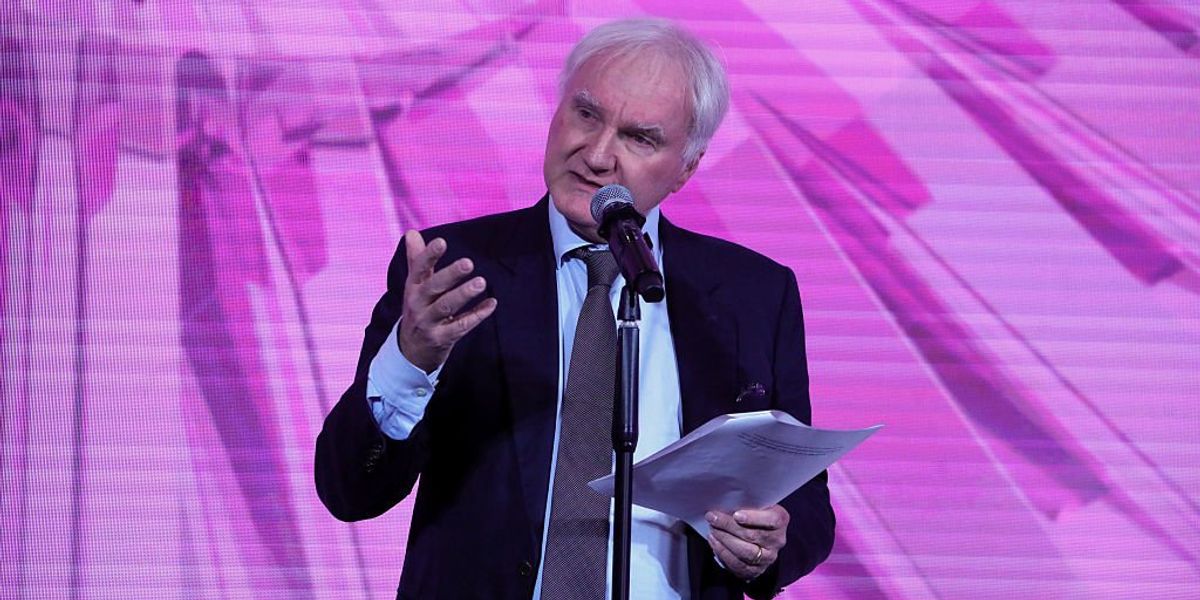
A senior United Nations official has publicly acknowledged that the international peacekeeping organization is no longer capable of fulfilling its founding mission, warning it risks the same fate as the defunct League of Nations.

Matthias Schmale, the UN chief in Ukraine, issued the stark assessment while highlighting how Russia continues to violate the organization’s charter in Ukraine with complete impunity, according to George Bunn writing in GB News.

Schmale, who serves as the UN Secretary-General’s personal representative in Ukraine, called for fundamental structural reform to prevent what he described as an impending institutional collapse.

Security Council Structure Under Fire

The UN official directed particular criticism at the Security Council, the body formally responsible for maintaining international peace and security. He pointed out the inherent contradiction of Russia holding permanent membership status and veto power while simultaneously acting as an aggressor nation in Ukraine.

Speaking to The Telegraph, Schmale characterized the current arrangement as outdated and dysfunctional. He stated that having five permanent members with veto rights is inappropriate for a global institution, particularly when one of those members can shield itself from accountability while violating the very principles the organization claims to uphold.

Institutional Collapse Warning

Schmale did not mince words about the potential consequences of inaction, warning that the UN may face a complete breakdown in the near future if substantive changes are not implemented. His comparison to the League of Nations carries significant historical weight, as that predecessor organization famously dissolved after failing to prevent World War II.

The admission from such a high-ranking UN official represents an unusually candid acknowledgment of institutional failure from within the organization itself. It underscores growing frustration among Western-aligned officials over the UN’s paralysis in addressing Russian aggression.

The Security Council’s permanent membership structure, established in 1945 following World War II, grants veto power to the United States, Britain, France, Russia, and China. This arrangement has long been criticized as reflecting post-war power dynamics rather than current geopolitical realities.

Schmale suggested that meaningful reform must include changes to decision-making authority, though he did not specify detailed proposals for restructuring the Security Council’s composition or voting procedures.

With information from GB News

Share:
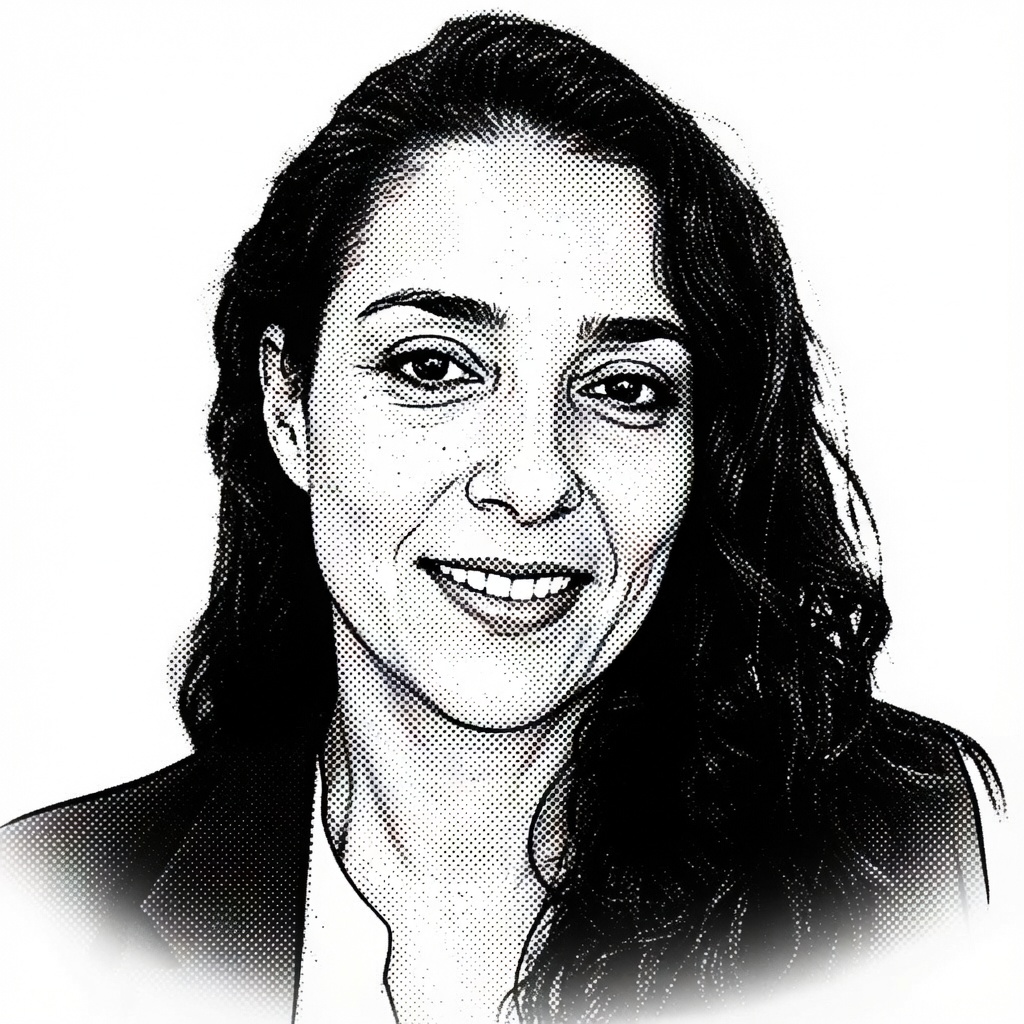
Eleni Papadaki-Van Der Merwe

She was born in 1986 in Johannesburg, South Africa. She is the granddaughter of an immigrant from Crete who settled in the Greek community of Johannesburg (one of the largest in Africa). She holds a bachelor’s degree in International Relations and Political Science from the University of the Witwatersrand (Wits) in Johannesburg and a master’s degree in Journalism from Rhodes University in Grahamstown. She began her career at English-language media outlets in Johannesburg, covering politics and economics, with a focus on issues related to migration and the diaspora. She moved to Athens in 2015 to “return to her roots,” initially to pursue graduate studies, and has remained there permanently. She is married to an Afrikaner; they have two children and live in the southern suburbs of Athens.

A senior United Nations official has publicly acknowledged that the international peacekeeping organization is no longer capable of fulfilling its founding mission, warning it risks the same fate as the defunct League of Nations.

Matthias Schmale, the UN chief in Ukraine, issued the stark assessment while highlighting how Russia continues to violate the organization’s charter in Ukraine with complete impunity, according to George Bunn writing in GB News.

Schmale, who serves as the UN Secretary-General’s personal representative in Ukraine, called for fundamental structural reform to prevent what he described as an impending institutional collapse.

Security Council Structure Under Fire

The UN official directed particular criticism at the Security Council, the body formally responsible for maintaining international peace and security. He pointed out the inherent contradiction of Russia holding permanent membership status and veto power while simultaneously acting as an aggressor nation in Ukraine.

Speaking to The Telegraph, Schmale characterized the current arrangement as outdated and dysfunctional. He stated that having five permanent members with veto rights is inappropriate for a global institution, particularly when one of those members can shield itself from accountability while violating the very principles the organization claims to uphold.

Institutional Collapse Warning

Schmale did not mince words about the potential consequences of inaction, warning that the UN may face a complete breakdown in the near future if substantive changes are not implemented. His comparison to the League of Nations carries significant historical weight, as that predecessor organization famously dissolved after failing to prevent World War II.

The admission from such a high-ranking UN official represents an unusually candid acknowledgment of institutional failure from within the organization itself. It underscores growing frustration among Western-aligned officials over the UN’s paralysis in addressing Russian aggression.

The Security Council’s permanent membership structure, established in 1945 following World War II, grants veto power to the United States, Britain, France, Russia, and China. This arrangement has long been criticized as reflecting post-war power dynamics rather than current geopolitical realities.

Schmale suggested that meaningful reform must include changes to decision-making authority, though he did not specify detailed proposals for restructuring the Security Council’s composition or voting procedures.

With information from GB News

