Necessary Cookies

Required for the site to function. Cannot be disabled.

Analytics Cookies

Help us understand how visitors interact with our site (Google Analytics via GTM).

Marketing Cookies

Used to track visitors and deliver personalised advertisements.

We use cookies to enhance your browsing experience and analyse site traffic. By clicking Accept All, you consent to our use of cookies. Privacy Policy
NewsFire Global
Home News Europe World Christianity Culture Wars Opinion Video
Information
About Us Authors Advertising Terms & Conditions Privacy Policy Contact
R2B Media
R2B NEWSFIRE.GR PAPAFOTIS.GR THRACTION HELLENIC CONSERVATIVES RIGHT2THEBONE YT
News World

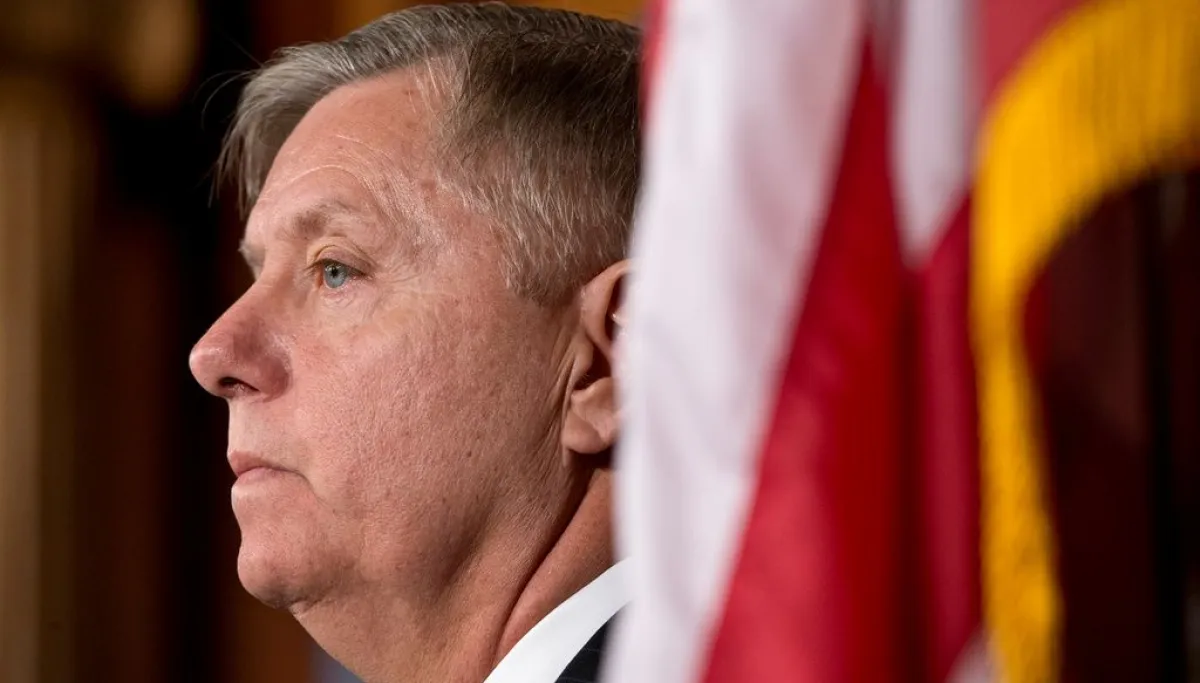
Pass the Lindsey Graham Act Now

The Lindsey Graham Sanctioning Russia Act would impose the most comprehensive economic penalties yet on Russia and Iran, including tariffs on major oil importers like China and India.
Stefanos Banos
Stefanos Banos Staff Writer
AUGUST 2, 2026 AT 3:27 PM

The Lindsey Graham Sanctioning Russia Act represents a significant escalation in Western efforts to cripple Moscow’s war machine, targeting both Putin’s energy and financial sectors while imposing penalties on countries enabling the continuation of hostilities. As the Washington Examiner reports, Congress should move swiftly to enact the legislation.

Lindsey Graham was a staunch adversary of Putin’s Russia, the Iranian regime, and other authoritarian powers before his death on July 11. The proposed law bearing his name would sanction those responsible for the savage war against Ukraine that began more than a decade ago, including Putin himself.
While the United States has previously attempted to punish Russia for its invasion and occupation of Ukrainian territory, this legislation would constitute the most far-reaching sanctions regime imposed on Moscow to date.

The bill imposes severe tariffs on the five largest importers of Russian crude oil and gas, as well as the five countries most actively assisting Russia in evading energy sanctions. China, India, and other nations purchasing discounted Russian energy would face consequences under the measure.

Under the proposal, the U.S. trade representative would receive authority to impose secondary tariffs of up to 100% at presidential discretion. The bill also extends expiring sanctions targeting Iran’s energy and weapons sectors.

Meaghan Mobbs, a Ukraine expert and director of the Center for Safety and Security at the Independent Women’s Forum, noted the legislation equips the president with leverage to impose real costs on Putin and pressure him toward good-faith negotiations. She also highlighted the enduring bipartisan Senate support for Ukraine.

While most Senate Democrats broadly back the measure, some House Foreign Affairs Committee members have expressed reservations. Representative Gregory Meeks, the panel’s ranking Democrat, characterized it as a massive backdoor authority for President Trump to impose tariffs, including on European allies, that could harm American families.

Yet genuine allies do not undermine major American foreign policy objectives. Trump has made clear that ending Russia’s war stands among his chief priorities.

Russia first invaded the Donbas region in 2014, then escalated to full-scale conquest of Ukraine in 2022, emboldened by President Joe Biden’s weakness. Putin’s imperial ambitions were thwarted by inadequate Russian military planning and fierce Ukrainian resistance.

Ukraine has suffered 160,000 casualties. The Center for Strategic and International Studies estimates Russian losses at a staggering 1.4 million as of early July.

While Putin and his ambition to reconstitute the Russian Empire bear primary responsibility for the war, other nations have prolonged it. China, Iran, and North Korea supply Russia with weapons enabling indiscriminate drone and missile attacks on Ukrainian cities. Beijing and Pyongyang have deployed military advisers and soldiers. Bradley Bowman, senior director at the Foundation for Defense of Democracies, calls them the Axis of Aggressors.

This axis threatens the United States and its interests. Composed largely of autocracies with centrally planned, failing economies, the coalition also benefits from more developed countries purchasing large quantities of Russian energy with hard currency.

Such arrangements are untenable. Clear lines must be drawn. The world should see who supports Russia’s war and who genuinely opposes it.

Graham worked across the aisle during his final weeks to secure support for the sanctions bill. It passed the Senate but still faces obstacles before reaching the House.

Passage would serve as fitting tribute to the senator while marking a landmark achievement in combating sanctions evasion. The legislation would provide the United States with tools to compel allies and perhaps some adversaries to stop fueling Putin’s war machine, representing a tremendous setback for the Axis of Aggressors in its war against the West.

With information from Washington Examiner

Share:
Stefanos Banos
Stefanos Banos

Stefanos Banos was born in Piraeus and is an editor at NewsFire.GR, specializing in political analysis and international relations. He graduated from the Department of Communication and Media at the University of Bremen in Germany, where he also completed his Master of Arts in Communication and Media Studies. Married to Zoi, he is a proud father of three boys.

The Lindsey Graham Sanctioning Russia Act represents a significant escalation in Western efforts to cripple Moscow’s war machine, targeting both Putin’s energy and financial sectors while imposing penalties on countries enabling the continuation of hostilities. As the Washington Examiner reports, Congress should move swiftly to enact the legislation.

Lindsey Graham was a staunch adversary of Putin’s Russia, the Iranian regime, and other authoritarian powers before his death on July 11. The proposed law bearing his name would sanction those responsible for the savage war against Ukraine that began more than a decade ago, including Putin himself.

While the United States has previously attempted to punish Russia for its invasion and occupation of Ukrainian territory, this legislation would constitute the most far-reaching sanctions regime imposed on Moscow to date.

The bill imposes severe tariffs on the five largest importers of Russian crude oil and gas, as well as the five countries most actively assisting Russia in evading energy sanctions. China, India, and other nations purchasing discounted Russian energy would face consequences under the measure.

Under the proposal, the U.S. trade representative would receive authority to impose secondary tariffs of up to 100% at presidential discretion. The bill also extends expiring sanctions targeting Iran’s energy and weapons sectors.

Meaghan Mobbs, a Ukraine expert and director of the Center for Safety and Security at the Independent Women’s Forum, noted the legislation equips the president with leverage to impose real costs on Putin and pressure him toward good-faith negotiations. She also highlighted the enduring bipartisan Senate support for Ukraine.

While most Senate Democrats broadly back the measure, some House Foreign Affairs Committee members have expressed reservations. Representative Gregory Meeks, the panel’s ranking Democrat, characterized it as a massive backdoor authority for President Trump to impose tariffs, including on European allies, that could harm American families.

Yet genuine allies do not undermine major American foreign policy objectives. Trump has made clear that ending Russia’s war stands among his chief priorities.

Russia first invaded the Donbas region in 2014, then escalated to full-scale conquest of Ukraine in 2022, emboldened by President Joe Biden’s weakness. Putin’s imperial ambitions were thwarted by inadequate Russian military planning and fierce Ukrainian resistance.

Ukraine has suffered 160,000 casualties. The Center for Strategic and International Studies estimates Russian losses at a staggering 1.4 million as of early July.

While Putin and his ambition to reconstitute the Russian Empire bear primary responsibility for the war, other nations have prolonged it. China, Iran, and North Korea supply Russia with weapons enabling indiscriminate drone and missile attacks on Ukrainian cities. Beijing and Pyongyang have deployed military advisers and soldiers. Bradley Bowman, senior director at the Foundation for Defense of Democracies, calls them the Axis of Aggressors.

This axis threatens the United States and its interests. Composed largely of autocracies with centrally planned, failing economies, the coalition also benefits from more developed countries purchasing large quantities of Russian energy with hard currency.

Such arrangements are untenable. Clear lines must be drawn. The world should see who supports Russia’s war and who genuinely opposes it.

Graham worked across the aisle during his final weeks to secure support for the sanctions bill. It passed the Senate but still faces obstacles before reaching the House.

Passage would serve as fitting tribute to the senator while marking a landmark achievement in combating sanctions evasion. The legislation would provide the United States with tools to compel allies and perhaps some adversaries to stop fueling Putin’s war machine, representing a tremendous setback for the Axis of Aggressors in its war against the West.

With information from Washington Examiner

