Nolan’s Odyssey: A Beautiful American Mess
Emily Wilson, whose translation of Homer's Odyssey Christopher Nolan used for his film adaptation, has publicly criticized the $250 million movie as a shallow spectacle lacking emotional depth.
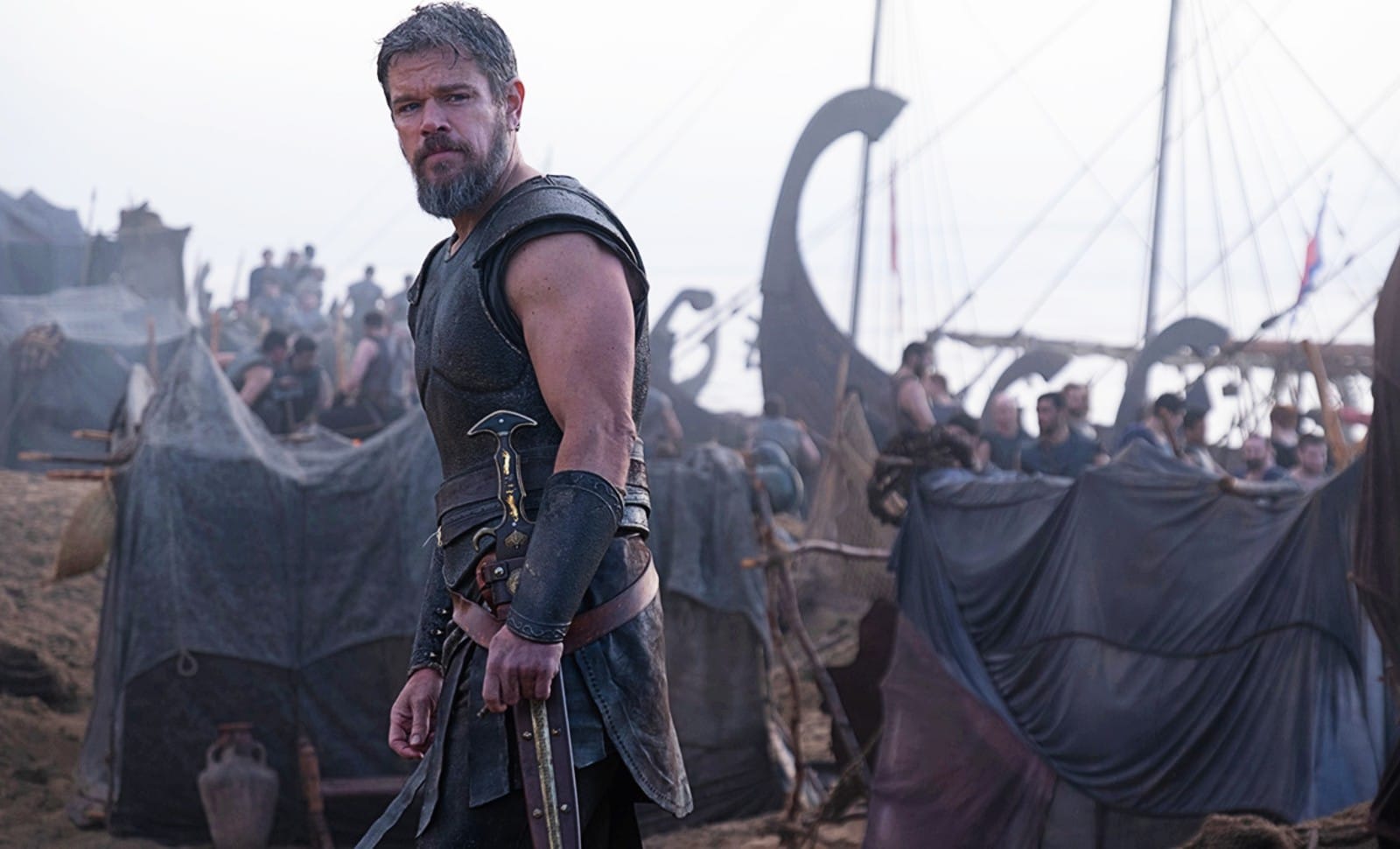

Writing in the London Review of Books, as Causeur reports, Emily Wilson delivered a damning assessment of the Hollywood director’s effort. She characterized the film as a Fourth of July fireworks display with about the same level of narrative and emotional depth, while acknowledging it at least avoids being tedious thanks to source material that proves nearly impossible to completely ruin.
The translation scholar went further, stating she would be ashamed to have written a single line of the screenplay—a devastating rebuke from someone who enabled the project by providing Nolan access to her work.
A Quarter-Billion Dollar Question
According to Causeur, serious questions are being raised about where the film’s reported $250 million budget actually went. Critics point to cheap-looking plastic armor apparently recycled from Nolan’s Batman films, a reduction of Odysseus’s fleet from Homer’s twelve ships to just three, and minimal star power beyond mere physical presence.
The visual execution has come under particular fire. The cinematography allegedly features the cardinal sin of amateur photography: placing the horizon dead center in frame after frame of sea and sky shots. This basic compositional error stands in stark contrast to advice legendary director John Ford gave Steven Spielberg as a young filmmaker, depicted in The Fabelmans.
America in the Aegean
The production has been criticized for imposing distinctly American sensibilities onto ancient Greek mythology. Nolan’s vision reportedly includes Texas-sized beaches with strong tides—a geographical impossibility in the Mediterranean and Aegean seas. The casting choices reflect contemporary American diversity rather than historical authenticity, with Lupita Nyong’o portraying Helen of Troy.
More jarring still, the dialogue reportedly includes modern American vulgarity, with the character Polybius—played by Corey Hawkins—shouting contemporary profanities at a beggar. The original French-language reporting suggests the English-language version reveals just how thoroughly American the entire production feels, complete with Protestant guilt and post-traumatic stress disorder themes more suited to modern veterans than Bronze Age warriors.
The film’s conclusion allegedly abandons Homer entirely, with Odysseus heading west with Penelope in a “Go west, old man” ending that seems designed for American rather than classical sensibilities.
Action Sequences Fall Flat
Even the climactic massacre scene reportedly fails to match the intensity of Kirk Douglas in director Mario Camerini‘s 1954 version. Matt Damon‘s Odysseus has been described as expressionless throughout, with his fake beard providing more movement than his face. The emotional void extends even to the famous scene of Odysseus’s dog dying—a moment that should resonate with pathos but reportedly generates no feeling whatsoever.
The critical consensus emerging from France suggests Nolan has produced not an epic for the ages but rather a bloated production inflated with aesthetic filler rather than substance—less a classical masterwork than an exercise in contemporary American kitsch wrapped in ancient Greek costume.
With information from Causeur