Necessary Cookies

Required for the site to function. Cannot be disabled.

Analytics Cookies

Help us understand how visitors interact with our site (Google Analytics via GTM).

Marketing Cookies

Used to track visitors and deliver personalised advertisements.

We use cookies to enhance your browsing experience and analyse site traffic. By clicking Accept All, you consent to our use of cookies. Privacy Policy
NewsFire Global
Home News Europe World Christianity Culture Wars Opinion Video
Information
About Us Authors Advertising Terms & Conditions Privacy Policy Contact
R2B Media
R2B NEWSFIRE.GR PAPAFOTIS.GR THRACTION HELLENIC CONSERVATIVES RIGHT2THEBONE YT
News World

USDA Reopens Southern Border Cattle Imports After Outbreak

The USDA will reopen southern border ports for livestock imports starting August 24 after containing a New World Screwworm outbreak that forced closures and contributed to record beef prices.

JULY 25, 2026 AT 10:49 PM

According to Emily Hallas writing in Washington Examiner, the USDA shuttered multiple ports last year in response to the deadly pest’s northward migration through Central America and Mexico. Despite those preventive measures, illegal animal movement allowed the parasite to breach U.S. borders and reach Texas earlier this year. Federal officials have since contained the outbreak, with only nine active cases confirmed nationwide as of Saturday.

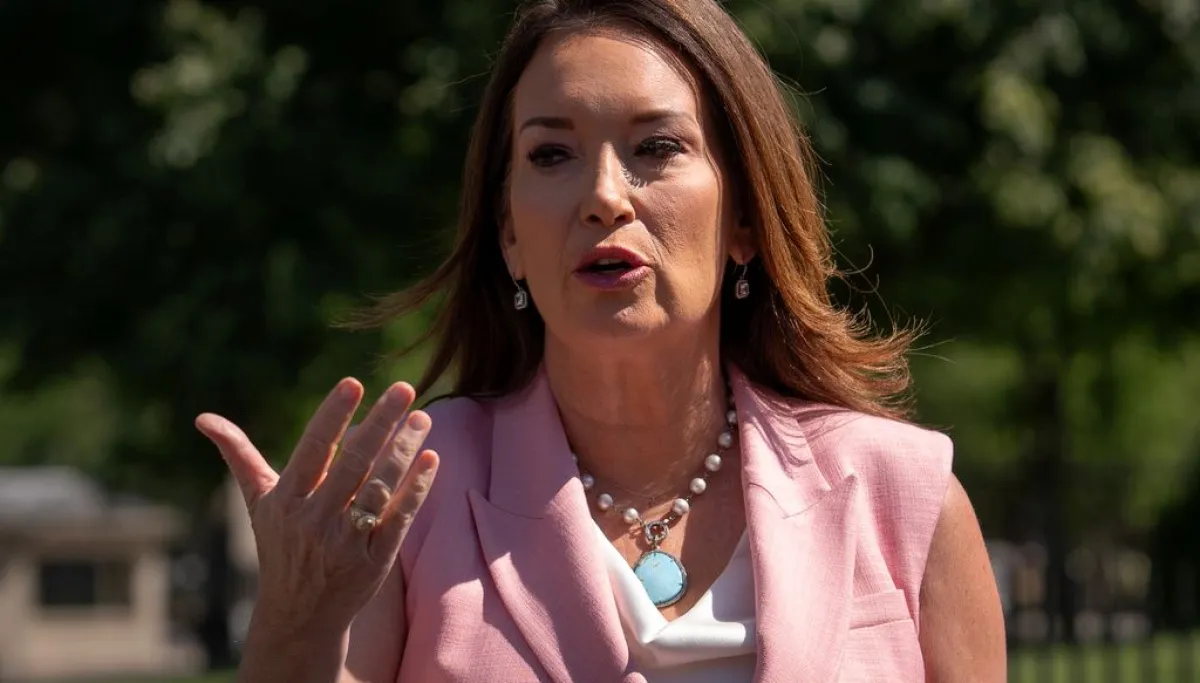
Agriculture Secretary Brooke Rollins indicated this week that authorities now have sufficient control over the situation to begin a phased reopening of cattle entry points at Douglas, Arizona; Santa Teresa, New Mexico; and Columbus, New Mexico. The Douglas port will reopen first on August 24, with others following based on Mexico’s compliance with the USDA’s Joint Action Plan to combat the screwworm.
Every animal crossing through the reopened ports will undergo comprehensive USDA inspection to verify it is free of the parasite, officials confirmed.

Thanks to the work across the federal government as well as state, local, and industry partners, it is now safe to reopen the Douglas, Arizona, port in 30 days, Rollins stated, emphasizing that protecting the United States from the screwworm and pushing it back to the Darien Gap remains a top priority for the Trump administration.

The port closures created substantial economic hardship for the nation’s largest cattle-producing state. The restrictions forced the $100 billion U.S. beef industry to contract sharply, contributing to record-high beef prices as domestic cattle supplies plummeted to a 75-year low.

Rollins acknowledged last month that shuttering the ports presented significant economic challenges to Texas industries, but defended the decision as necessary to protect American livestock producers. She noted that President Trump agreed with the closure after being briefed on the outbreak’s progression through Mexico.

The Biden administration initially closed the border to cattle imports in late 2024 following a screwworm detection in southern Mexico. The Trump administration briefly reopened the border in early 2025 but reinstated the closure in May as the parasite advanced toward the Texas-Mexico border.

Despite the screwworm’s potential to devastate cattle herds—often described as the lifeblood of the Texas economy—authorities have expressed confidence that the worst-case scenario has been avoided through intensive preparation and new pharmaceutical tools.

Dr. Justin Welsh, technical services lead for the Merck Animal Health team that developed Exzolt Cattle-CA1, a recent screwworm prevention and treatment drug, said he would not characterize the situation as a crisis. Welsh explained that products like Exzolt Cattle-CA1 can be applied to cattle to prevent infestation for several weeks, providing effective tools to keep the parasite at bay.

With information from Washington Examiner

Share:
Eleni Papadaki-Van Der Merwe

She was born in 1986 in Johannesburg, South Africa. She is the granddaughter of an immigrant from Crete who settled in the Greek community of Johannesburg (one of the largest in Africa). She holds a bachelor’s degree in International Relations and Political Science from the University of the Witwatersrand (Wits) in Johannesburg and a master’s degree in Journalism from Rhodes University in Grahamstown. She began her career at English-language media outlets in Johannesburg, covering politics and economics, with a focus on issues related to migration and the diaspora. She moved to Athens in 2015 to “return to her roots,” initially to pursue graduate studies, and has remained there permanently. She is married to an Afrikaner; they have two children and live in the southern suburbs of Athens.

According to Emily Hallas writing in Washington Examiner, the USDA shuttered multiple ports last year in response to the deadly pest’s northward migration through Central America and Mexico. Despite those preventive measures, illegal animal movement allowed the parasite to breach U.S. borders and reach Texas earlier this year. Federal officials have since contained the outbreak, with only nine active cases confirmed nationwide as of Saturday.

Agriculture Secretary Brooke Rollins indicated this week that authorities now have sufficient control over the situation to begin a phased reopening of cattle entry points at Douglas, Arizona; Santa Teresa, New Mexico; and Columbus, New Mexico. The Douglas port will reopen first on August 24, with others following based on Mexico’s compliance with the USDA’s Joint Action Plan to combat the screwworm.

Every animal crossing through the reopened ports will undergo comprehensive USDA inspection to verify it is free of the parasite, officials confirmed.

Thanks to the work across the federal government as well as state, local, and industry partners, it is now safe to reopen the Douglas, Arizona, port in 30 days, Rollins stated, emphasizing that protecting the United States from the screwworm and pushing it back to the Darien Gap remains a top priority for the Trump administration.

The port closures created substantial economic hardship for the nation’s largest cattle-producing state. The restrictions forced the $100 billion U.S. beef industry to contract sharply, contributing to record-high beef prices as domestic cattle supplies plummeted to a 75-year low.

Rollins acknowledged last month that shuttering the ports presented significant economic challenges to Texas industries, but defended the decision as necessary to protect American livestock producers. She noted that President Trump agreed with the closure after being briefed on the outbreak’s progression through Mexico.

The Biden administration initially closed the border to cattle imports in late 2024 following a screwworm detection in southern Mexico. The Trump administration briefly reopened the border in early 2025 but reinstated the closure in May as the parasite advanced toward the Texas-Mexico border.

Despite the screwworm’s potential to devastate cattle herds—often described as the lifeblood of the Texas economy—authorities have expressed confidence that the worst-case scenario has been avoided through intensive preparation and new pharmaceutical tools.

Dr. Justin Welsh, technical services lead for the Merck Animal Health team that developed Exzolt Cattle-CA1, a recent screwworm prevention and treatment drug, said he would not characterize the situation as a crisis. Welsh explained that products like Exzolt Cattle-CA1 can be applied to cattle to prevent infestation for several weeks, providing effective tools to keep the parasite at bay.

With information from Washington Examiner

