Necessary Cookies

Required for the site to function. Cannot be disabled.

Analytics Cookies

Help us understand how visitors interact with our site (Google Analytics via GTM).

Marketing Cookies

Used to track visitors and deliver personalised advertisements.

We use cookies to enhance your browsing experience and analyse site traffic. By clicking Accept All, you consent to our use of cookies. Privacy Policy
NewsFire Global
Home News Europe World Christianity Culture Wars Opinion Video
Information
About Us Authors Advertising Terms & Conditions Privacy Policy Contact
R2B Media
R2B NEWSFIRE.GR PAPAFOTIS.GR THRACTION HELLENIC CONSERVATIVES RIGHT2THEBONE YT
News Europe

Greece defends minority schools against Turkish disinformation

Turkey's Foreign Ministry falsely claims Greece violated Muslim minority rights by suspending eight Thrace schools that closed due to low enrollment under standard Greek education policy.
Nikos Arvanitis
Nikos Arvanitis Staff Writer
JULY 20, 2026 AT 12:30 PM

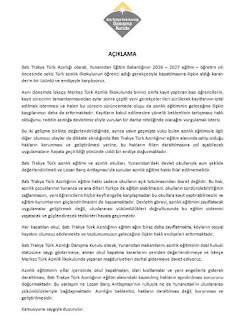
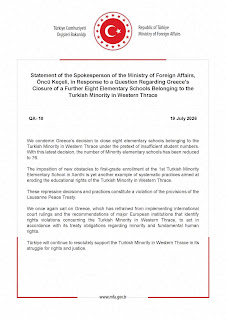
Once again, Turkey’s Ministry of Foreign Affairs has attempted to portray the suspension of eight minority primary schools in Thrace, Greece, as an alleged violation of the rights of the Muslim minority.

Once again, Turkish propaganda has distorted the actual facts. And, unfortunately, once again the Greek side has chosen silence.

The question is simple. Why does the Greek state leave such obvious falsehoods unanswered?

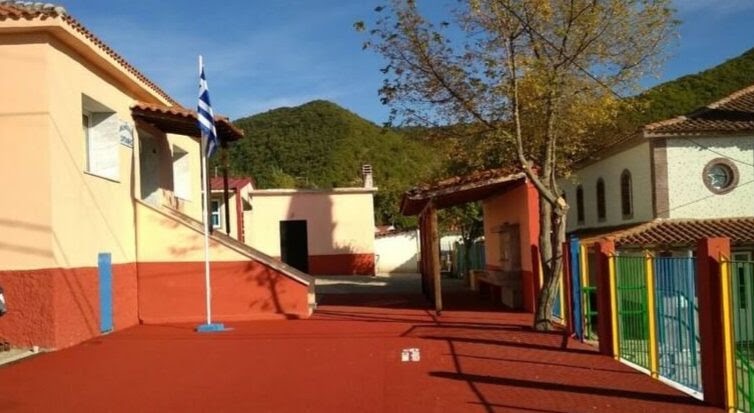
First of all, these schools are not Turkish schools. They are Greek minority schools, which operate under Greek legislation and the country’s international obligations. Their buildings, their operating expenses, their maintenance, and their overall existence are funded by the Greek State — that is, by the money of Greek taxpayers. This is the reality that Ankara carefully conceals and that Athens must remind every international forum.

The suspension of certain schools did not happen because some government arbitrarily decided it. It happened because the required number of students did not exist.

Exactly the same thing happens every year to hundreds of schools throughout Greece. Conversely, where the conditions existed, the schools operated normally.

The best example is the minority primary school of Kechros, which reopened when it gathered the necessary number of enrollments. This alone refutes the narrative of alleged persecution.

Let a truth be stated that those who adopt the Turkish argumentation deliberately avoid. The schools whose operation was suspended were mainly two-classroom schools with very few students. Every educator knows that multi-classroom schools offer better learning conditions, more teachers, a fuller educational program, and more opportunities for children’s socialization.

The real issue should be the quality of education and not the maintenance of school units that operate with minimal students solely to serve political expediencies.

This is why the impression is reasonably created that for the Turkish Ministry of Foreign Affairs and the local exponents of the same positions, the basic objective is not the upgrading of the education of minority children, but the maintenance of as many minority schools as possible so that they can be presented internationally as supposedly “Turkish schools.” This is a term that has no legal basis and is used exclusively to serve political aims.

Imbros and Tenedos

Even more provocative is the comparison attempted by Turkey’s mouthpieces here, with the Greek schools of Imbros and Tenedos.

Those who speak today about “opening schools” remain silent about the fact that the Greek minority of Constantinople, Imbros, and Tenedos was decimated after decades of persecutions, expulsions, property confiscations, and systematic violations of their rights. From a historic community of hundreds of thousands of Greeks, approximately two thousand people remain today in Constantinople. Turkey cannot, therefore, present itself as a defender of minority rights while ignoring this historical reality.

However, Ankara is not solely responsible. Athens is too.

It is inconceivable that the Greek state leaves such propaganda interventions unanswered and does not give a clear response that minority schools are Greek schools, that they operate and are funded by Greece, that objective criteria are applied for their operation, and that Greece itself invests significant public resources in the education of the Muslim minority.

Silence is not diplomacy. Silence leaves room for propaganda to become “truth” in the eyes of those who do not know the actual facts.

Greece has no reason to apologize for an educational system that it funds, supports, and maintains over decades. On the contrary, it must confidently present the actual facts, immediately refute every inaccurate claim, and not allow anyone to present as “Turkish” schools that belong to the Greek educational system and are maintained by the Greek taxpayer.
Source: TAXIARCHISpress

Share:
Nikos Arvanitis
Nikos Arvanitis

Nikos Arvanitis is a journalist and analyst, accredited diplomatic correspondent in Belgrade. He has been monitoring developments in Southeast Europe since 1991, manages the Thracian news website KomotiniPress, and also contributes articles to ViaDiplomacy.

Once again, Turkey’s Ministry of Foreign Affairs has attempted to portray the suspension of eight minority primary schools in Thrace, Greece, as an alleged violation of the rights of the Muslim minority.

Once again, Turkish propaganda has distorted the actual facts. And, unfortunately, once again the Greek side has chosen silence.

The question is simple. Why does the Greek state leave such obvious falsehoods unanswered?

First of all, these schools are not Turkish schools. They are Greek minority schools, which operate under Greek legislation and the country’s international obligations. Their buildings, their operating expenses, their maintenance, and their overall existence are funded by the Greek State — that is, by the money of Greek taxpayers. This is the reality that Ankara carefully conceals and that Athens must remind every international forum.

The suspension of certain schools did not happen because some government arbitrarily decided it. It happened because the required number of students did not exist.

Exactly the same thing happens every year to hundreds of schools throughout Greece. Conversely, where the conditions existed, the schools operated normally.

The best example is the minority primary school of Kechros, which reopened when it gathered the necessary number of enrollments. This alone refutes the narrative of alleged persecution.

Let a truth be stated that those who adopt the Turkish argumentation deliberately avoid. The schools whose operation was suspended were mainly two-classroom schools with very few students. Every educator knows that multi-classroom schools offer better learning conditions, more teachers, a fuller educational program, and more opportunities for children’s socialization.

The real issue should be the quality of education and not the maintenance of school units that operate with minimal students solely to serve political expediencies.

This is why the impression is reasonably created that for the Turkish Ministry of Foreign Affairs and the local exponents of the same positions, the basic objective is not the upgrading of the education of minority children, but the maintenance of as many minority schools as possible so that they can be presented internationally as supposedly “Turkish schools.” This is a term that has no legal basis and is used exclusively to serve political aims.

Imbros and Tenedos

Even more provocative is the comparison attempted by Turkey’s mouthpieces here, with the Greek schools of Imbros and Tenedos.

Those who speak today about “opening schools” remain silent about the fact that the Greek minority of Constantinople, Imbros, and Tenedos was decimated after decades of persecutions, expulsions, property confiscations, and systematic violations of their rights. From a historic community of hundreds of thousands of Greeks, approximately two thousand people remain today in Constantinople. Turkey cannot, therefore, present itself as a defender of minority rights while ignoring this historical reality.

However, Ankara is not solely responsible. Athens is too.

It is inconceivable that the Greek state leaves such propaganda interventions unanswered and does not give a clear response that minority schools are Greek schools, that they operate and are funded by Greece, that objective criteria are applied for their operation, and that Greece itself invests significant public resources in the education of the Muslim minority.

Silence is not diplomacy. Silence leaves room for propaganda to become “truth” in the eyes of those who do not know the actual facts.

Greece has no reason to apologize for an educational system that it funds, supports, and maintains over decades. On the contrary, it must confidently present the actual facts, immediately refute every inaccurate claim, and not allow anyone to present as “Turkish” schools that belong to the Greek educational system and are maintained by the Greek taxpayer.

newsfire.gr
newsfire.gr

Source: TAXIARCHISpress

