A divisive policy targeting the symptom and vilifying employers
Greece's Labor Minister claimed a new pay equality law means salaries will no longer be judged by gender, though the actual wage gap largely reflects differences in hours, experience, and job roles rather than discrimination.

During the recent vote on the law for “pay equality,” Labor Minister Niki Kerameos stated that from now on “salaries will not be judged by gender.”
So up until now, was an employee’s gender what determined the level of their pay?
Interpreting this statement, two reasonable questions arise. Is Ms. Kerameos claiming that a significant number of entrepreneurs are sexist and pay their female employees less than men for the same work? Or is she claiming that entrepreneurs are foolish since they weren’t hiring only women when they could pay them less for the same job?
The overwhelming majority of entrepreneurs neither operate by sexist criteria nor ignore their economic interests. Such statements and insinuations insult their dignity and integrity. And such regulations load even more onto the already large regulatory burden they carry.
I will attempt to explain why, starting with the so-called wage gap between men and women.
Indeed, on average, men are paid more than women. According to an analysis by Greekonomics [image 1, at the end of the article], men are paid on average 14% more than women. However, this difference arises from comparing raw averages. That is, they compare the total pay of men and women without controlling for a series of important factors such as working hours, experience, job position, or performance.
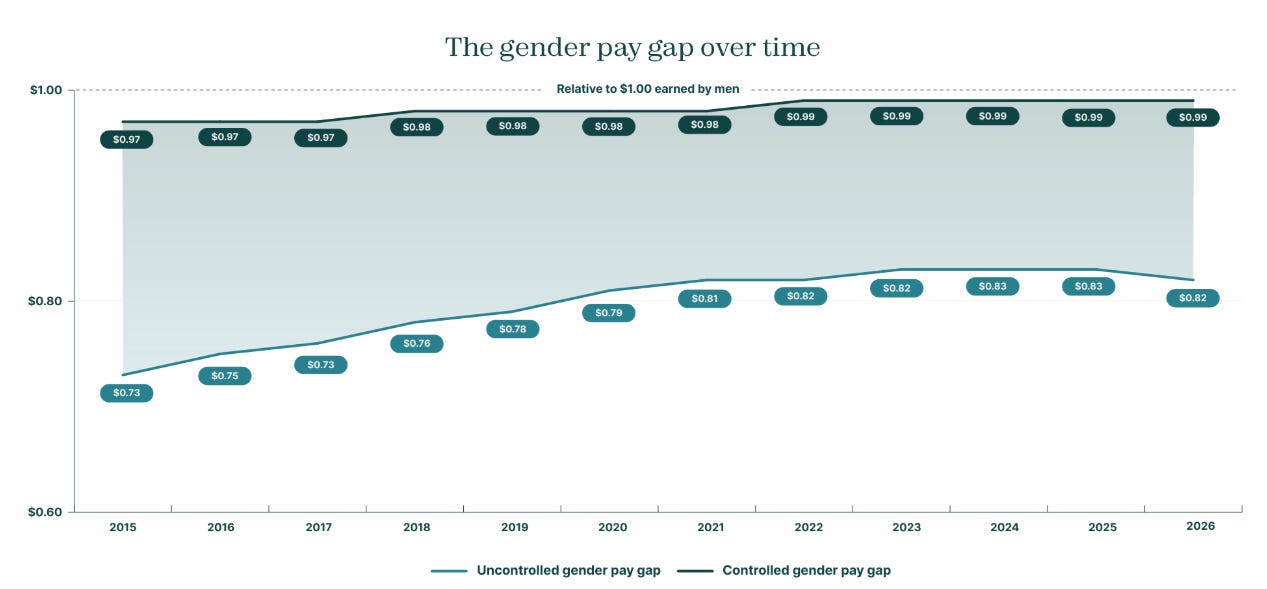
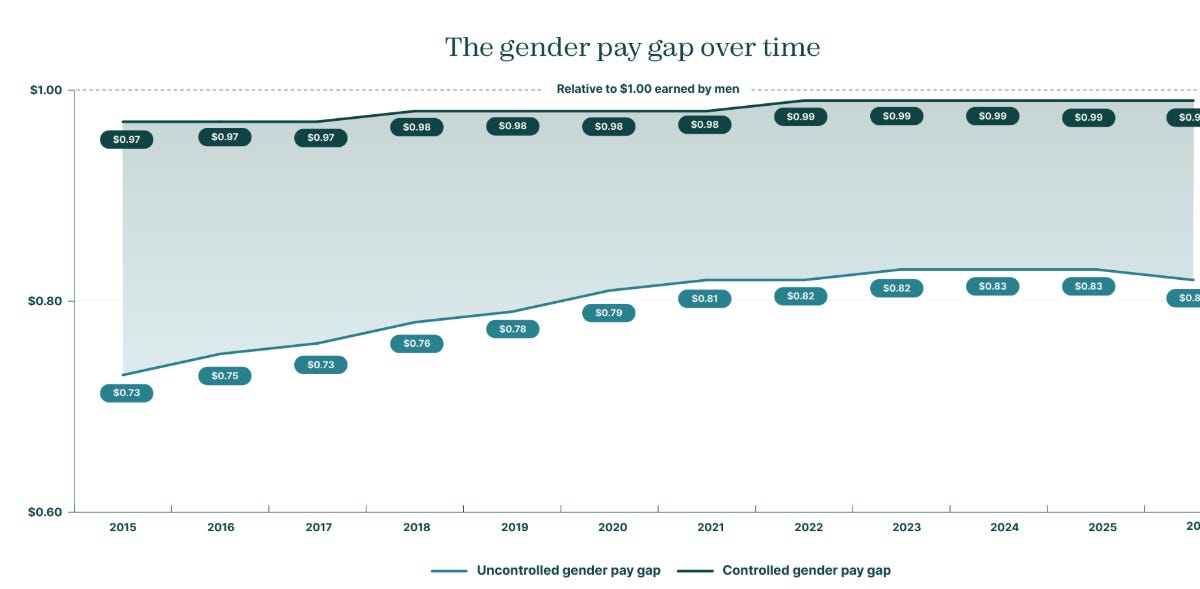
When we process the data taking these important variables into account, the wage gap decreases dramatically. For example, in the U.S., the raw wage gap has been calculated at 18% to women’s disadvantage, but when adjusted for job characteristics and qualifications, the gap drops to 1% according to an analysis by PayScale [image 2, at the end of the article].
The wage gap, therefore, does not exist because “bad employers” systematically pay women less. In competitive markets, pay is determined primarily by working hours, the specifics of the position, experience, and above all performance. Employers want the best—regardless of gender—to optimize their businesses and maximize their profits.
If there truly were hundreds of thousands of women producing exactly the same work but being paid 15%-20% less, then an entrepreneur who hired exclusively women would gain a tremendous competitive advantage over his competitors. The fact that this doesn’t happen on a massive scale is in itself an indication that reality is much more complex than the simplistic narrative of “pay discrimination.”
The wage gap exists for the following reasons. First, women are usually more burdened with family responsibilities and child-rearing. Often they decide—whether by choice or necessity—to interrupt their work for a period or to work in part-time positions. Second, men work more hours than women and do more overtime. Third, women on average tend to choose professions with flexibility and stability that have lower pay, while men on average tend to choose professions with higher risk, variability, and intensity that tend to pay better.
Why is this particular law with the attractive goal of “pay equality” wrong?
On a practical level, the new law attempts to address mainly the symptom and not the basic causes of differences in average earnings. It doesn’t target the real problem: how to improve conditions so that mothers especially—and parents in general—can more easily combine the role of parent with that of employee. For example, the focus should be on improving the availability and quality of nurseries and schools and strengthening remote work in the many professions where this is feasible.
On a social and ideological level, the law and these policies reinforce a victim mentality, cultivate suspicion between men and women and employers and employees, and undermine meritocracy. Being trapped in a victim mentality first harms the person who considers himself a victim and then—if it prevails—works corrosively on the entire society.
What will the new law bring?
Austria’s experience (Böheim&Gust, 2022) shows that mandatory pay transparency rules can influence business behavior in ways that were not the legislator’s original aim, creating incentives for adjustments in hiring and personnel organization. In other words, it may lead some businesses to become more cautious about hiring women, in order to reduce the risk of future lawsuits or complaints. Another possible impact may be an overall decrease in a business’s productivity, which is expected to occur when performance is not the basic criterion for determining pay. A certain impact will be the further increase in bureaucracy and regulatory burdens in an economy like ours that is already excessively burdened by regulation.
The state cannot “level out” average differences in preferences with laws. But it can create conditions so that every person—man or woman—can advance through work, without artificial obstacles and without being penalized for the desire to have a family. That is the real objective. Not the leveling of outcomes, but equality of opportunity and freedom of choice.
Regards,
Leonidas
**********************************
IMAGES
Image 1: The raw wage gap between men and women in Greece (analysis by Greekonomics)
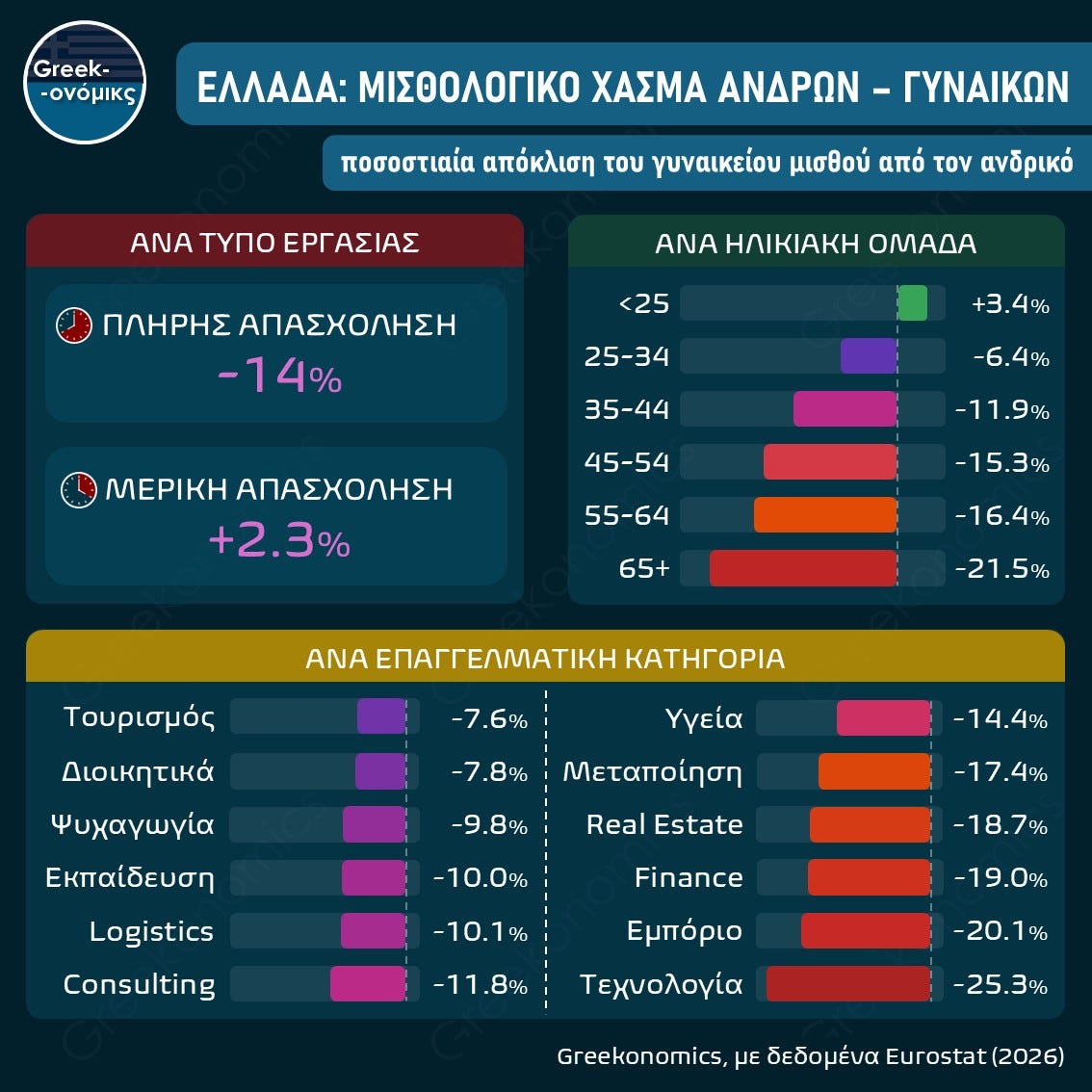
Image 2: The trajectory of raw and adjusted wage gap between men and women in the U.S. (analysis by PayScale)