Necessary Cookies

Required for the site to function. Cannot be disabled.

Analytics Cookies

Help us understand how visitors interact with our site (Google Analytics via GTM).

Marketing Cookies

Used to track visitors and deliver personalised advertisements.

We use cookies to enhance your browsing experience and analyse site traffic. By clicking Accept All, you consent to our use of cookies. Privacy Policy
NewsFire Global
Home News Europe World Christianity Culture Wars Opinion Video
Information
About Us Authors Advertising Terms & Conditions Privacy Policy Contact
R2B Media
R2B NEWSFIRE.GR PAPAFOTIS.GR THRACTION HELLENIC CONSERVATIVES RIGHT2THEBONE YT
News Europe

Ukraine’s Azov Brigade Now Has Its Own Music Label

The Azov Brigade has transformed from its neo-Nazi origins into a mainstream Ukrainian military unit with widespread recognition, cultural influence, and social media prominence since the war began.

Dimitris Papafotis
Dimitris Papafotis Editor in Chief
JUNE 27, 2026 AT 5:42 PM

The Azov Brigade, one of Ukraine’s most controversial military units, has undergone a significant transformation in public perception and organizational structure since the outbreak of the war with Russia, shedding much of its extremist imagery while maintaining strong cultural and political influence within Ukrainian society.

According to Junge Freiheit, the brigade has evolved far beyond its origins in a neo-Nazi-influenced mixture of football hooligans, combat sports enthusiasts, and what Germans would recognize as “free comradeships.” While these roots continue to shape public perception of the unit, such references have largely disappeared from the brigade’s public presentation. Even the controversial Wolfsangel-like logo was replaced several years ago with three stylized pointed crossbars.

The radical Ukrainian right and broader Ukrainian society have moved closer together since the war began. The Azov Brigade’s military achievements now enjoy widespread recognition, and several unit commanders have received high honors from President Volodymyr Zelensky. Netflix produced a documentary titled “We were Recruits” focusing on Azov soldiers, while individual Azov commanders such as Maxim Shorin and Davyd Kasatkin have built substantial followings on social media platforms, regularly posting combat footage and political video commentary to tens of thousands of followers on Telegram and Instagram.

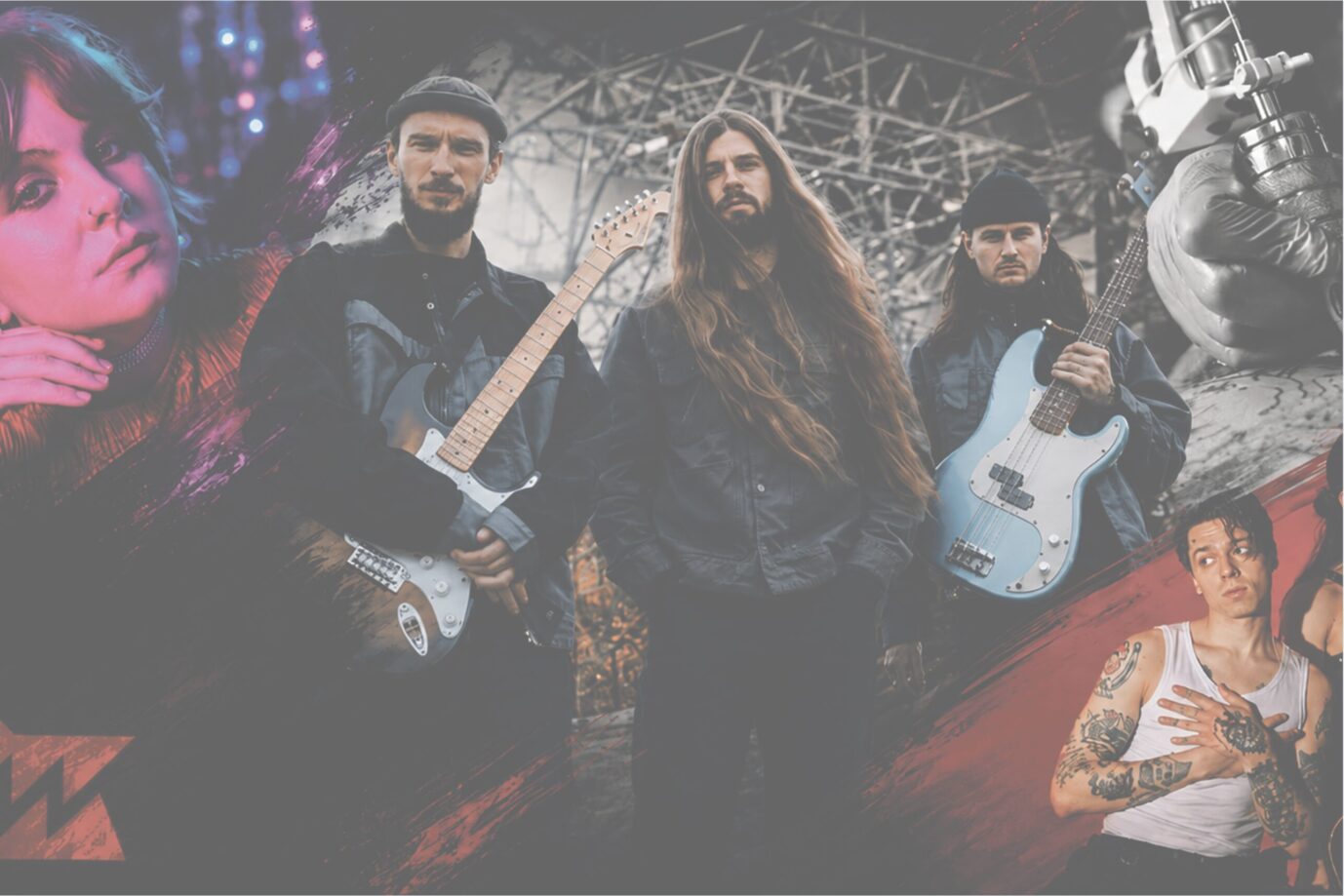
The brigade has also developed an extensive cultural offering. Kiev hosts the annual Zagrava folk-rock festival, where the internationally known band DakhaBrakha—which has also performed at German festivals—is headlining this year. All festival proceeds go to Azov. The closely affiliated Plomin publishing house, whose name means “Flame,” publishes Ukrainian translations of works by Dominique Venner, Ernst von Salomon, and Ernst Jünger, alongside the Bhagavad Gita and texts by Italian surrealist Dino Buzzati.

The brigade’s social media presence reflects its broadening acceptance within Ukrainian society. Rather than stern-looking militants, Plomin’s Instagram account features young women—whose hairstyles and hair colors suggest they might be art history students in Lviv or similar pursuits—holding up the publishing house’s latest releases for the camera.

The unit’s official designation has also changed. While still frequently referred to as the Azov Battalion, it has been a full brigade and official part of the Ukrainian land army since February 2023, marking its complete integration into the country’s formal military structure.

With information from Junge Freiheit

Share:
Dimitris Papafotis
Dimitris Papafotis

Dimitris Papafotis is the editor-in-chief of NewsFire.GR. He was born and raised in Athens. He studied at the Journalism Workshop (1991-1993). He currently lives in Pyrgos, Ilia, where he has been active in radio and various newspapers, while also maintaining his personal blog, Papafotis.gr.

The Azov Brigade, one of Ukraine’s most controversial military units, has undergone a significant transformation in public perception and organizational structure since the outbreak of the war with Russia, shedding much of its extremist imagery while maintaining strong cultural and political influence within Ukrainian society.

According to Junge Freiheit, the brigade has evolved far beyond its origins in a neo-Nazi-influenced mixture of football hooligans, combat sports enthusiasts, and what Germans would recognize as “free comradeships.” While these roots continue to shape public perception of the unit, such references have largely disappeared from the brigade’s public presentation. Even the controversial Wolfsangel-like logo was replaced several years ago with three stylized pointed crossbars.

The radical Ukrainian right and broader Ukrainian society have moved closer together since the war began. The Azov Brigade’s military achievements now enjoy widespread recognition, and several unit commanders have received high honors from President Volodymyr Zelensky. Netflix produced a documentary titled “We were Recruits” focusing on Azov soldiers, while individual Azov commanders such as Maxim Shorin and Davyd Kasatkin have built substantial followings on social media platforms, regularly posting combat footage and political video commentary to tens of thousands of followers on Telegram and Instagram.

The brigade has also developed an extensive cultural offering. Kiev hosts the annual Zagrava folk-rock festival, where the internationally known band DakhaBrakha—which has also performed at German festivals—is headlining this year. All festival proceeds go to Azov. The closely affiliated Plomin publishing house, whose name means “Flame,” publishes Ukrainian translations of works by Dominique Venner, Ernst von Salomon, and Ernst Jünger, alongside the Bhagavad Gita and texts by Italian surrealist Dino Buzzati.

The brigade’s social media presence reflects its broadening acceptance within Ukrainian society. Rather than stern-looking militants, Plomin’s Instagram account features young women—whose hairstyles and hair colors suggest they might be art history students in Lviv or similar pursuits—holding up the publishing house’s latest releases for the camera.

The unit’s official designation has also changed. While still frequently referred to as the Azov Battalion, it has been a full brigade and official part of the Ukrainian land army since February 2023, marking its complete integration into the country’s formal military structure.

With information from Junge Freiheit