
Poland Repels Massive Attempted Infiltration of Illegal Immigrants
Poland’s strict border control against illegal crossings from Belarus upholds national identity and social stability, sparking debate as it balances security with humanitarian concerns amid Europe’s migration challenges.
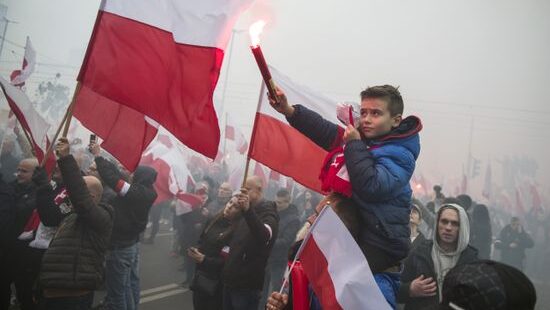
The Poles have succeeded once again! In the dense forests of Białowieża, along Poland’s eastern borders, border forces face daily attempts of illegal entry. Recent circulating videos show groups of illegal migrants, mainly young men, trying to cross the metal fence equipped with sensors. But in vain! They are immediately detected and stopped by the Polish authorities.
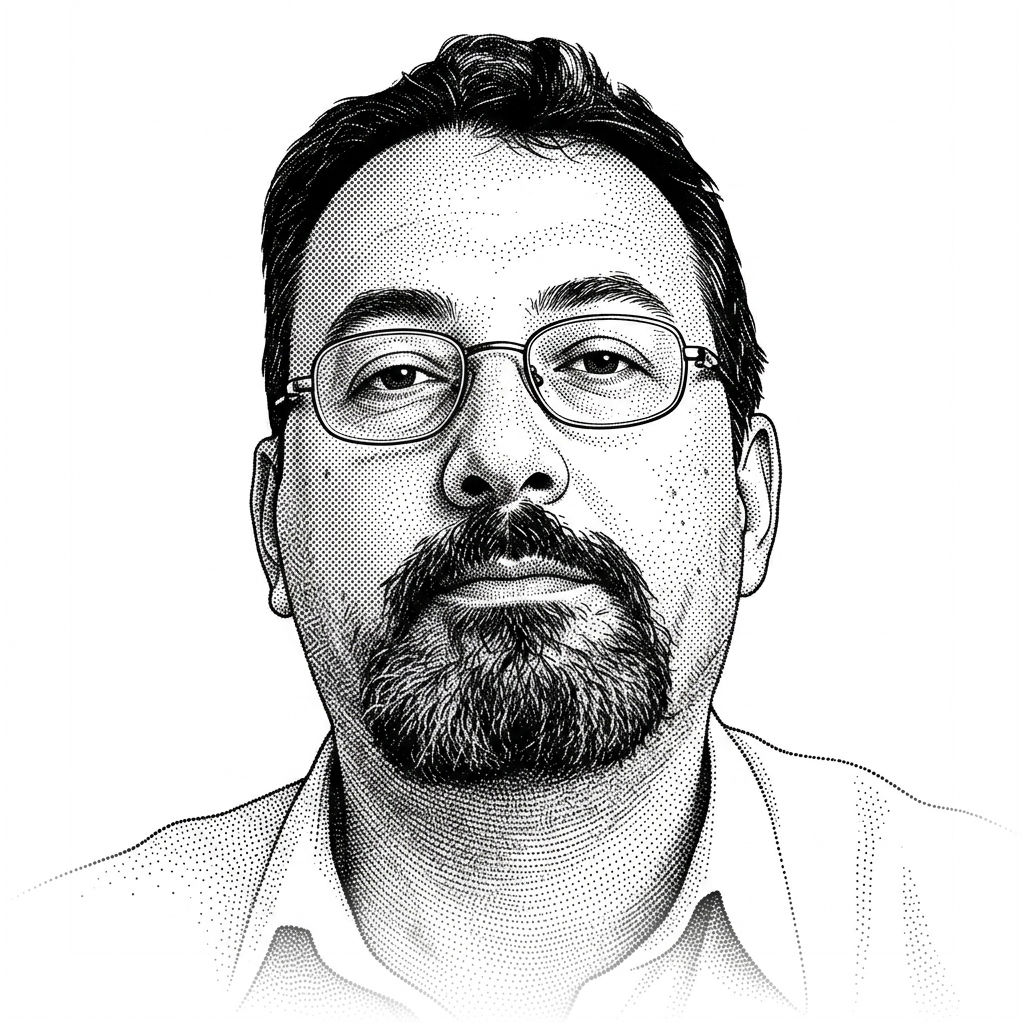
Member of the European Parliament Dominik Tarczyński describes the situation clearly. According to him, Poland has not recorded any terrorist attacks in recent years. He attributes this specifically to the absence of illegal migration.
The country maintains one of the most homogeneous societies in Europe, with over 90% of citizens identifying as Roman Catholic and the Muslim population remaining below 0.1%.
Polish authorities view the attempts to enter from the border with Belarus as part of a hybrid warfare campaign. The border guards remain on constant alert, while most of those apprehended are classified as economic migrants rather than refugees. In one of the videos, a migrant shouts that he had been promised a better life in Europe but found himself trapped at the border.
Poland has followed a consistent policy since 2015, avoiding the mass influxes experienced by other European countries. Unlike Germany, which received over one million people during that period, Warsaw kept its doors closed to irregular migration. As a result, according to government data, it has maintained low crime rates compared to countries like France and Sweden.
Economic Stability and Social Cohesion
The country has shown strong economic performance in recent years, with low unemployment and growth surpassing many of its Western European neighbors. Officials and commentators attribute part of this success to avoiding the large social expenditures associated with extensive illegal migration.
Poland has received millions of Ukrainian refugees, whom it considers culturally close, while maintaining clear red lines for other groups.
Tarczyński, a lawyer with a doctorate, emphasizes in interviews that this is a matter of national identity survival. “I want Europe to remain Europe,” he has stated, rejecting the idea of changing the legal system or culture through mass influxes of people with different values.

This stance has sparked discussions throughout Europe and beyond. While some criticize it as excessively harsh, others see it as a practical example of border management. Images and comments comparing the situation at the Polish border with the challenges faced by other countries circulate widely on social media.
Poland continues to strengthen its security infrastructure, maintaining the position that legality and selective acceptance are fundamental prerequisites for social stability. Developments at the border with Belarus are closely monitored, as similar attempts continue.





