Necessary Cookies

Required for the site to function. Cannot be disabled.

Analytics Cookies

Help us understand how visitors interact with our site (Google Analytics via GTM).

Marketing Cookies

Used to track visitors and deliver personalised advertisements.

We use cookies to enhance your browsing experience and analyse site traffic. By clicking Accept All, you consent to our use of cookies. Privacy Policy
NewsFire Global
Home News Europe World Christianity Culture Wars Opinion
Information
About Us Authors Advertising Terms & Conditions Privacy Policy Contact
R2B Media
R2B NEWSFIRE.GR PAPAFOTIS.GR THRACTION HELLENIC CONSERVATIVES RIGHT2THEBONE YT
News Europe

Dutch Politician de Vos: “I Saw My Homeland Disappear

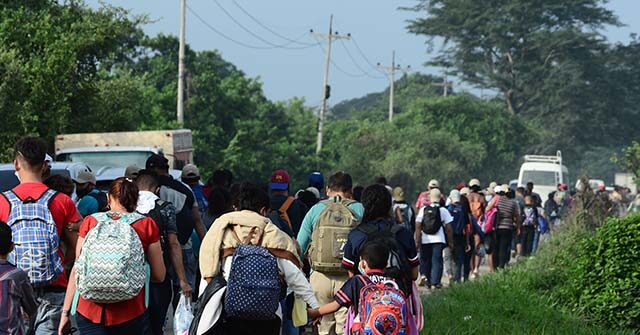
A Dutch politician explains her party is building a cultural movement with schools and institutions rather than just contesting elections to combat entrenched migration policies.
Dimitris Papafotis
Dimitris Papafotis Editor in Chief
JUNE 7, 2026 AT 8:22 PM

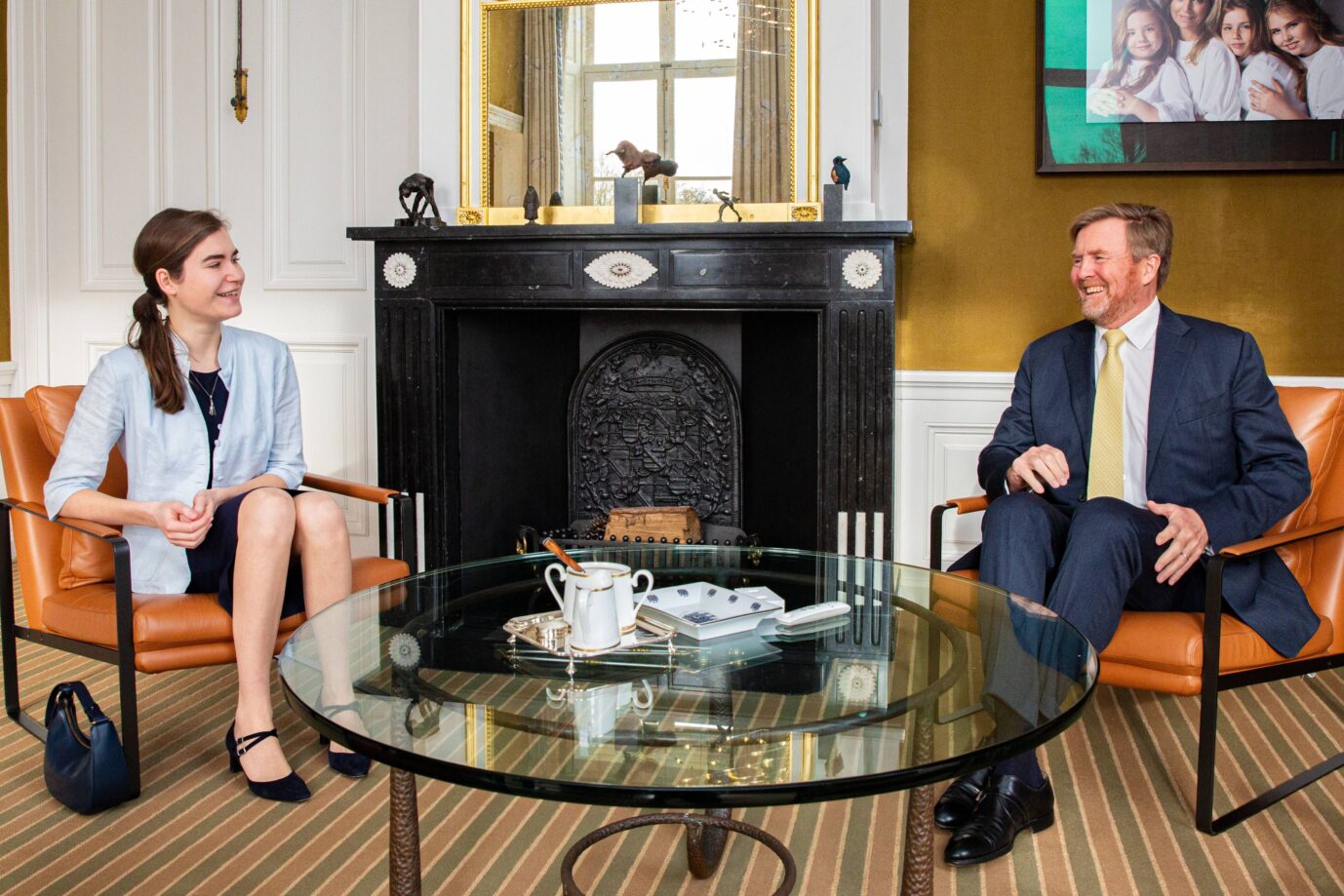
Lidewij de Vos, a biochemist and musician turned politician with Forum voor Democratie (FvD), told Junge Freiheit that she entered politics because the political reality forced itself upon her. Mass immigration threatening security and welfare, an overreaching European Union eroding sovereignty, and ideological agendas expanding state control over daily life drove her to abandon a comfortable career in science and music.

The young politician chose FvD over Geert Wilders’ better-known PVV because Forum voor Democratie aimed to build an actual organization and movement from the start, rather than remaining a one-man project. According to de Vos, FvD seeks both political and cultural change, understanding that one follows from the other. The party positions itself not as an opposition-only force but as offering a positive vision for the Netherlands that it intends to implement.

Building Institutional Alternatives

De Vos argued that the recent coalition government experience with the PVV demonstrated the limits of electoral success alone. Even as the largest party providing the migration minister, no noticeable change occurred because the driving forces behind migration policy sit embedded in ministerial positions and countless NGOs and action groups. Fighting this requires developing their own people, fostering talent, creating networks, and establishing independent institutions.

Forum voor Democratie is creating what de Vos describes as a movement rather than merely a party. The organization runs Renaissance Academies for emerging talent inside and outside politics, will launch its first primary school next year, operates a publishing house, and pursues numerous other projects. While time-consuming, she considers this approach the only viable path forward.

Appealing to Youth Through Excellence

Young people in the Netherlands grow up in a system that fails to motivate them or encourage them to bring out their best, de Vos explained. Mediocrity prevails, reinforced by educational quality that aims for the lowest common denominator. Young people feel a strong drive to overcome this mediocrity but often lack direction on how to proceed.

The youth organization JFVD provides activities specifically designed to help young people surpass themselves, whether by asking intelligent questions at readings, presenting topics before large groups, or competing in sports. Excellence is good, competition is good, and good is not good enough, de Vos stated. While governing parties merely need to administer the status quo, her movement must excel to eventually defeat them. Working within a team of like-minded individuals makes this challenging task enjoyable.

Electoral Breakthrough at Municipal Level

At Dutch municipal elections in mid-March this year, Forum voor Democratie achieved the largest nationwide gain of any party. De Vos attributed this success partly to the movement-building effort bearing political fruit. Compared to elections four years earlier, FvD competed in twice as many municipalities due to organizational expansion and talent development.

The party consistently communicated its message that municipalities should belong to citizens again, and opposed asylum seeker placement that every Dutch municipality is forced to accept under the Spreidingswet distribution law. Many Dutch citizens share this view, as the elections demonstrated. Forum voor Democratie now has 300 municipal council members, six times the previous number, enabling four years of work either in opposition or coalition governments.

Asylum Distribution Law Ignites Nationwide Anger

Like Germany, the Netherlands has struggled for decades with the consequences of mass migration that the population never approved, according to de Vos. No cabinet has ever listened to the majority opposition to this policy. Instead, the Netherlands continues setting one immigration record after another.

In 2023, the outgoing Rutte IV cabinet passed the Spreidingswet with promises that immigration would decrease while asylum seekers were distributed “fairly” across the country. In reality, municipalities were simply forced to accept asylum seekers. The vast majority of Dutch citizens oppose this and want an end to open borders policies.

Public sentiment has shifted dramatically in recent weeks as asylum centers were announced or created in numerous municipalities. Protests erupted throughout the country.

Peaceful Protesters Face Mass Arrests

Numerous resident protests against asylum centers resulted in dozens of demonstrators being arrested in some cases. De Vos, who personally attended protests in Loosdrecht where the municipality is trying to force through emergency accommodation, said most protesters were peaceful. She encountered only ordinary Dutch citizens: parents, grandparents, young women, and normal people deeply concerned about migration-related problems who do not want to lose their homeland.

While acknowledging that some protests did escalate, de Vos emphasized that the majority of demonstrators were peaceful residents exercising legitimate concerns about policies imposed without their consent.

With information from Junge Freiheit
Share:
Dimitris Papafotis
Dimitris Papafotis

Dimitris Papafotis is the editor-in-chief of NewsFire.GR. He was born and raised in Athens. He studied at the Journalism Workshop (1991-1993). He currently lives in Pyrgos, Ilia, where he has been active in radio and various newspapers, while also maintaining his personal blog, Papafotis.gr.

Lidewij de Vos, a biochemist and musician turned politician with Forum voor Democratie (FvD), told Junge Freiheit that she entered politics because the political reality forced itself upon her. Mass immigration threatening security and welfare, an overreaching European Union eroding sovereignty, and ideological agendas expanding state control over daily life drove her to abandon a comfortable career in science and music.

The young politician chose FvD over Geert Wilders’ better-known PVV because Forum voor Democratie aimed to build an actual organization and movement from the start, rather than remaining a one-man project. According to de Vos, FvD seeks both political and cultural change, understanding that one follows from the other. The party positions itself not as an opposition-only force but as offering a positive vision for the Netherlands that it intends to implement.

Building Institutional Alternatives

De Vos argued that the recent coalition government experience with the PVV demonstrated the limits of electoral success alone. Even as the largest party providing the migration minister, no noticeable change occurred because the driving forces behind migration policy sit embedded in ministerial positions and countless NGOs and action groups. Fighting this requires developing their own people, fostering talent, creating networks, and establishing independent institutions.

Forum voor Democratie is creating what de Vos describes as a movement rather than merely a party. The organization runs Renaissance Academies for emerging talent inside and outside politics, will launch its first primary school next year, operates a publishing house, and pursues numerous other projects. While time-consuming, she considers this approach the only viable path forward.

Appealing to Youth Through Excellence

Young people in the Netherlands grow up in a system that fails to motivate them or encourage them to bring out their best, de Vos explained. Mediocrity prevails, reinforced by educational quality that aims for the lowest common denominator. Young people feel a strong drive to overcome this mediocrity but often lack direction on how to proceed.

The youth organization JFVD provides activities specifically designed to help young people surpass themselves, whether by asking intelligent questions at readings, presenting topics before large groups, or competing in sports. Excellence is good, competition is good, and good is not good enough, de Vos stated. While governing parties merely need to administer the status quo, her movement must excel to eventually defeat them. Working within a team of like-minded individuals makes this challenging task enjoyable.

Electoral Breakthrough at Municipal Level

At Dutch municipal elections in mid-March this year, Forum voor Democratie achieved the largest nationwide gain of any party. De Vos attributed this success partly to the movement-building effort bearing political fruit. Compared to elections four years earlier, FvD competed in twice as many municipalities due to organizational expansion and talent development.

The party consistently communicated its message that municipalities should belong to citizens again, and opposed asylum seeker placement that every Dutch municipality is forced to accept under the Spreidingswet distribution law. Many Dutch citizens share this view, as the elections demonstrated. Forum voor Democratie now has 300 municipal council members, six times the previous number, enabling four years of work either in opposition or coalition governments.

Asylum Distribution Law Ignites Nationwide Anger

Like Germany, the Netherlands has struggled for decades with the consequences of mass migration that the population never approved, according to de Vos. No cabinet has ever listened to the majority opposition to this policy. Instead, the Netherlands continues setting one immigration record after another.

In 2023, the outgoing Rutte IV cabinet passed the Spreidingswet with promises that immigration would decrease while asylum seekers were distributed “fairly” across the country. In reality, municipalities were simply forced to accept asylum seekers. The vast majority of Dutch citizens oppose this and want an end to open borders policies.

Public sentiment has shifted dramatically in recent weeks as asylum centers were announced or created in numerous municipalities. Protests erupted throughout the country.

Peaceful Protesters Face Mass Arrests

Numerous resident protests against asylum centers resulted in dozens of demonstrators being arrested in some cases. De Vos, who personally attended protests in Loosdrecht where the municipality is trying to force through emergency accommodation, said most protesters were peaceful. She encountered only ordinary Dutch citizens: parents, grandparents, young women, and normal people deeply concerned about migration-related problems who do not want to lose their homeland.

While acknowledging that some protests did escalate, de Vos emphasized that the majority of demonstrators were peaceful residents exercising legitimate concerns about policies imposed without their consent.

With information from Junge Freiheit