Necessary Cookies

Required for the site to function. Cannot be disabled.

Analytics Cookies

Help us understand how visitors interact with our site (Google Analytics via GTM).

Marketing Cookies

Used to track visitors and deliver personalised advertisements.

We use cookies to enhance your browsing experience and analyse site traffic. By clicking Accept All, you consent to our use of cookies. Privacy Policy
NewsFire Global
Home News Europe World Christianity Culture Wars Opinion
Information
About Us Authors Advertising Terms & Conditions Privacy Policy Contact
R2B Media
R2B NEWSFIRE.GR PAPAFOTIS.GR THRACTION HELLENIC CONSERVATIVES RIGHT2THEBONE YT
News Culture Wars

France: Major Shift in Euthanasia Debate as Senators Remove Key Bill Articles

French senators rejected key euthanasia provisions, reaffirming bans on assisted suicide and lethal medical acts, exposing deep divisions and sparking fierce debate on the country’s ethical future.

Newsroom
Newsroom Staff Writer
JANUARY 22, 2026 AT 7:44 PM Updated: May 18, 2026 4:54 PM

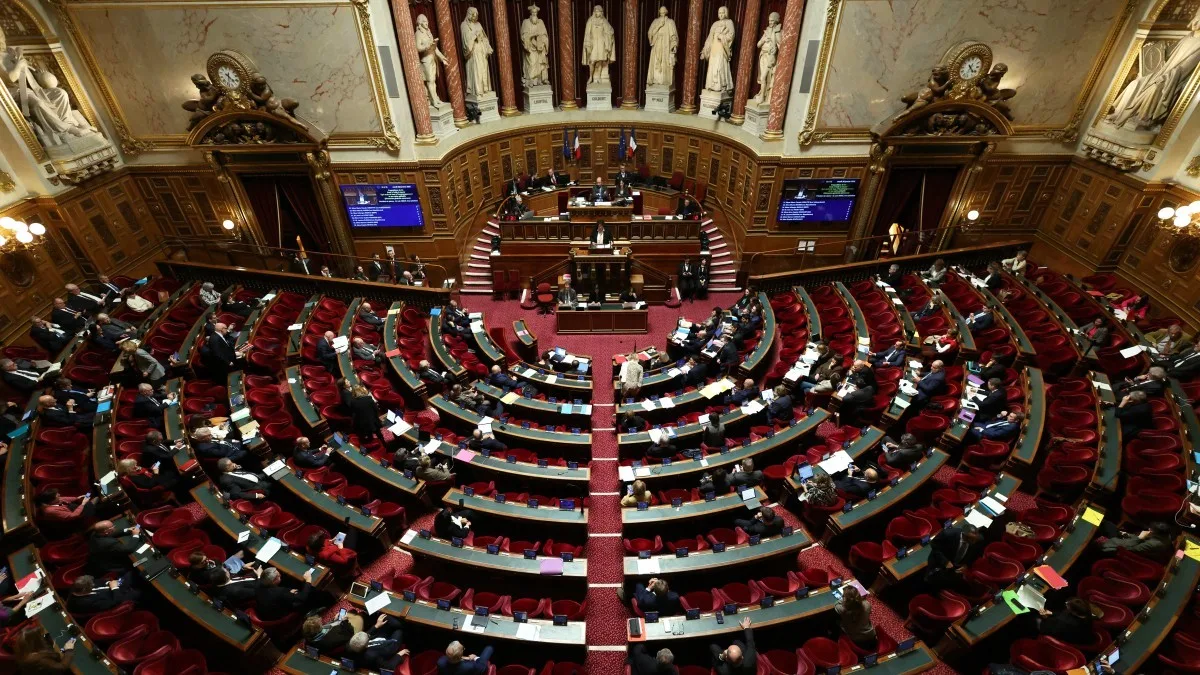
As European Conservative reports, the development was unexpected: while the senators were initially ready to vote on the bill, the situation changed dramatically on Wednesday, January 21. The day before, they had approved Article 1 of the bill, which incorporated “medical assistance in dying” into the public health code. However, this was contradicted by the rejection of Article 4, which defined the principle of euthanasia and assisted suicide for patients “at the end of life,” rejected by 144 votes against and 123 in favor.

The “uprising” came from an alliance of right-wing and centrist senators, who decided to reject the proposed “major reform” that Emmanuel Macron has pursued since the beginning of his term. Senator Stéphane Ravier, a member of the Identity and Freedoms party, referred to euthanasia as a “crime against humanity.”

Notably, the final reversal was achieved with votes from the left, although they supported euthanasia, considering the bill too timid. They expected its application to be extended to patients in advanced stages.

With the rejection of Article 4, the original text loses its significance, raising the question of whether it makes sense to continue the discussion. The Socialists appeared particularly disappointed, not anticipating such developments.

In this unprecedented situation, Health Minister Stéphanie Rist stated that there is no choice but to continue the discussion. “If I withdraw this text, the process in the National Assembly will stop. I do not want that,” she said.

Later that evening, an amendment was passed by the Republicans that completely revises Article 2 of the original bill, effectively abolishing euthanasia in France. The article now states:

Everyone has the right to the best possible relief from pain and distress.

Everyone is entitled to this right until death, without any voluntary intervention aimed at causing death.

Anna Sen-Larqué, Vice President of the Senate, who proposed this amendment, argued that it rejects a society where the administration of a lethal substance could be considered “care.” She noted that the amendment offers a strong and legally secure guarantee of relief, demonstrating that freedom and dignity do not mean the ability to cause death but the effective assurance that society will not allow anyone to suffer without support.

After this critical amendment was adopted, senators proceeded with a systematic revision of a set of provisions in the bill. Knowing that the text would be sent back to the National Assembly for review, they added further reservations, such as the conscience clause requested by religious bodies. The offense of obstructing euthanasia (which could entail penalties of up to 2 years in prison and heavy fines) was removed from the bill, despite government support.

As the Family Association rightly observes, the battle in the Senate proves that, contrary to the narrative promoted by the media, there is no public coalition in favor of euthanasia and assisted suicide. “This lack of consensus reflects the depth of the moral, medical, and social questions these measures raise,” stated the French Society for Supportive and Palliative Care in a statement.

This late-night session shows that positions on issues as vital and divisive as euthanasia remain irreconcilable. At this moment, it seems difficult to predict the direction of the process in the National Assembly. The text will be sent back to the National Assembly, where it will likely be fully revised—this time in favor of euthanasia, sparking new controversies.

Last spring, Macron had already prepared the ground for this possibility by mentioning the potential for a referendum in case of a “deadlock” in the National Assembly.


Share:
Newsroom
Newsroom

NewsFire.GR is a website created with the hope that the media will rediscover their true identity, which is none other than informing the public about the real stakes of our times. Journalism and political analysis must hold power accountable, not serve it.

As European Conservative reports, the development was unexpected: while the senators were initially ready to vote on the bill, the situation changed dramatically on Wednesday, January 21. The day before, they had approved Article 1 of the bill, which incorporated “medical assistance in dying” into the public health code. However, this was contradicted by the rejection of Article 4, which defined the principle of euthanasia and assisted suicide for patients “at the end of life,” rejected by 144 votes against and 123 in favor.

The “uprising” came from an alliance of right-wing and centrist senators, who decided to reject the proposed “major reform” that Emmanuel Macron has pursued since the beginning of his term. Senator Stéphane Ravier, a member of the Identity and Freedoms party, referred to euthanasia as a “crime against humanity.”

Notably, the final reversal was achieved with votes from the left, although they supported euthanasia, considering the bill too timid. They expected its application to be extended to patients in advanced stages.

With the rejection of Article 4, the original text loses its significance, raising the question of whether it makes sense to continue the discussion. The Socialists appeared particularly disappointed, not anticipating such developments.

In this unprecedented situation, Health Minister Stéphanie Rist stated that there is no choice but to continue the discussion. “If I withdraw this text, the process in the National Assembly will stop. I do not want that,” she said.

Later that evening, an amendment was passed by the Republicans that completely revises Article 2 of the original bill, effectively abolishing euthanasia in France. The article now states:

Everyone has the right to the best possible relief from pain and distress.

Everyone is entitled to this right until death, without any voluntary intervention aimed at causing death.

Anna Sen-Larqué, Vice President of the Senate, who proposed this amendment, argued that it rejects a society where the administration of a lethal substance could be considered “care.” She noted that the amendment offers a strong and legally secure guarantee of relief, demonstrating that freedom and dignity do not mean the ability to cause death but the effective assurance that society will not allow anyone to suffer without support.

After this critical amendment was adopted, senators proceeded with a systematic revision of a set of provisions in the bill. Knowing that the text would be sent back to the National Assembly for review, they added further reservations, such as the conscience clause requested by religious bodies. The offense of obstructing euthanasia (which could entail penalties of up to 2 years in prison and heavy fines) was removed from the bill, despite government support.

As the Family Association rightly observes, the battle in the Senate proves that, contrary to the narrative promoted by the media, there is no public coalition in favor of euthanasia and assisted suicide. “This lack of consensus reflects the depth of the moral, medical, and social questions these measures raise,” stated the French Society for Supportive and Palliative Care in a statement.

This late-night session shows that positions on issues as vital and divisive as euthanasia remain irreconcilable. At this moment, it seems difficult to predict the direction of the process in the National Assembly. The text will be sent back to the National Assembly, where it will likely be fully revised—this time in favor of euthanasia, sparking new controversies.

Last spring, Macron had already prepared the ground for this possibility by mentioning the potential for a referendum in case of a “deadlock” in the National Assembly.