Necessary Cookies

Required for the site to function. Cannot be disabled.

Analytics Cookies

Help us understand how visitors interact with our site (Google Analytics via GTM).

Marketing Cookies

Used to track visitors and deliver personalised advertisements.

We use cookies to enhance your browsing experience and analyse site traffic. By clicking Accept All, you consent to our use of cookies. Privacy Policy
NewsFire Global
Home News Europe World Christianity Culture Wars Opinion Video
Information
About Us Authors Advertising Terms & Conditions Privacy Policy Contact
R2B Media
R2B NEWSFIRE.GR PAPAFOTIS.GR THRACTION HELLENIC CONSERVATIVES RIGHT2THEBONE YT
News Culture Wars

Lyric Rocker Wandermaler on Music Industry Politicization

A German lyric-rock band says they were dropped by an agency for refusing to align with specific political positions amid growing ideological pressure in cultural institutions.
Stefanos Banos
Stefanos Banos Staff Writer
JUNE 20, 2026 AT 1:25 PM

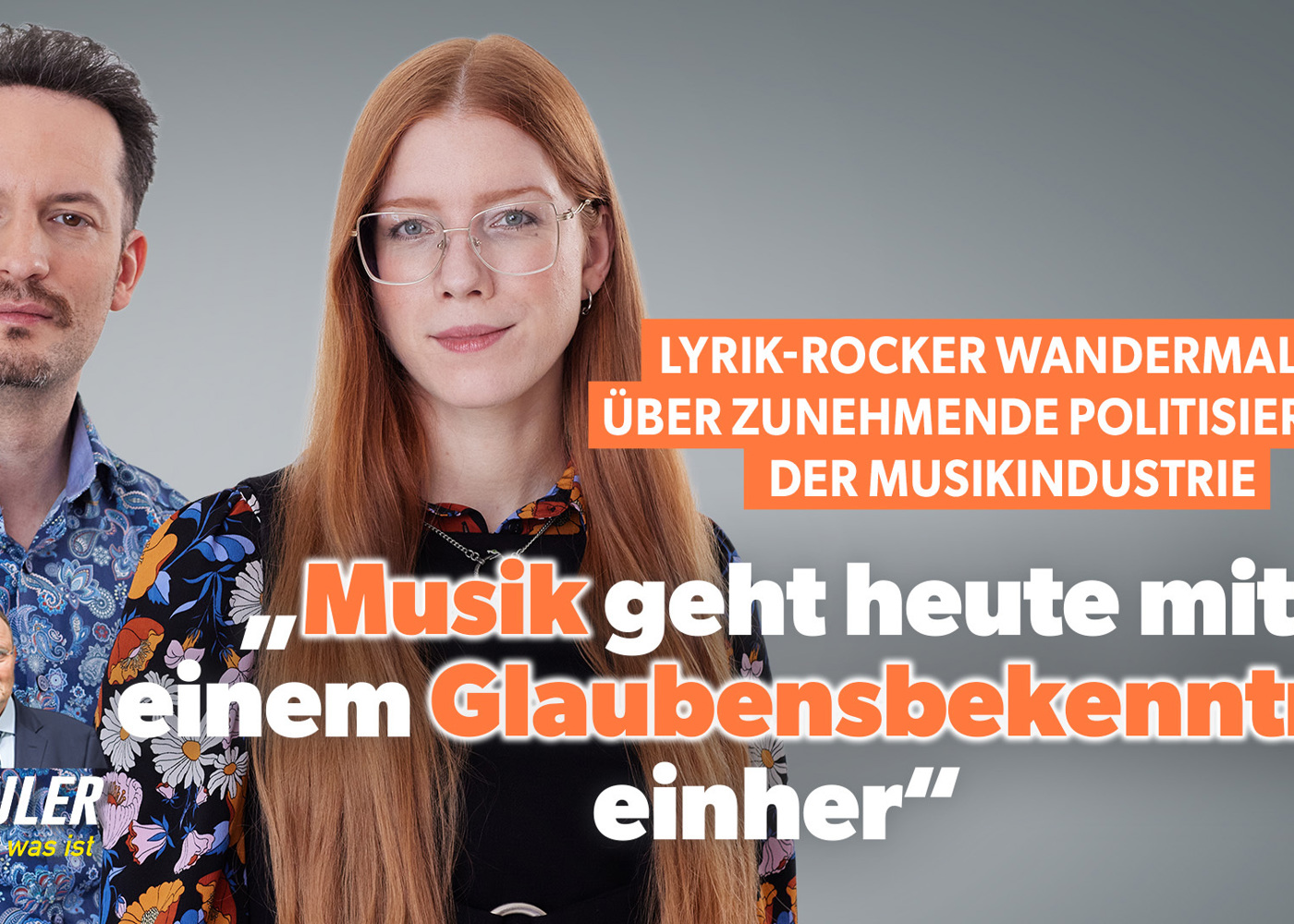
Elisaveta Kartajeva and Dino Bet, who perform as the band Wandermaler, discussed their experiences with ideological pressure in the arts during an interview on the program “Schuler! Fragen, was ist”, according to Nius.

The duo, who combine German-language poetry with rock and folk elements in what they term “lyric-rock”, emphasized their commitment to keeping art independent from political structures. Their approach places lyrical text at the center, allowing it to dictate the rhythm and structure of their compositions.
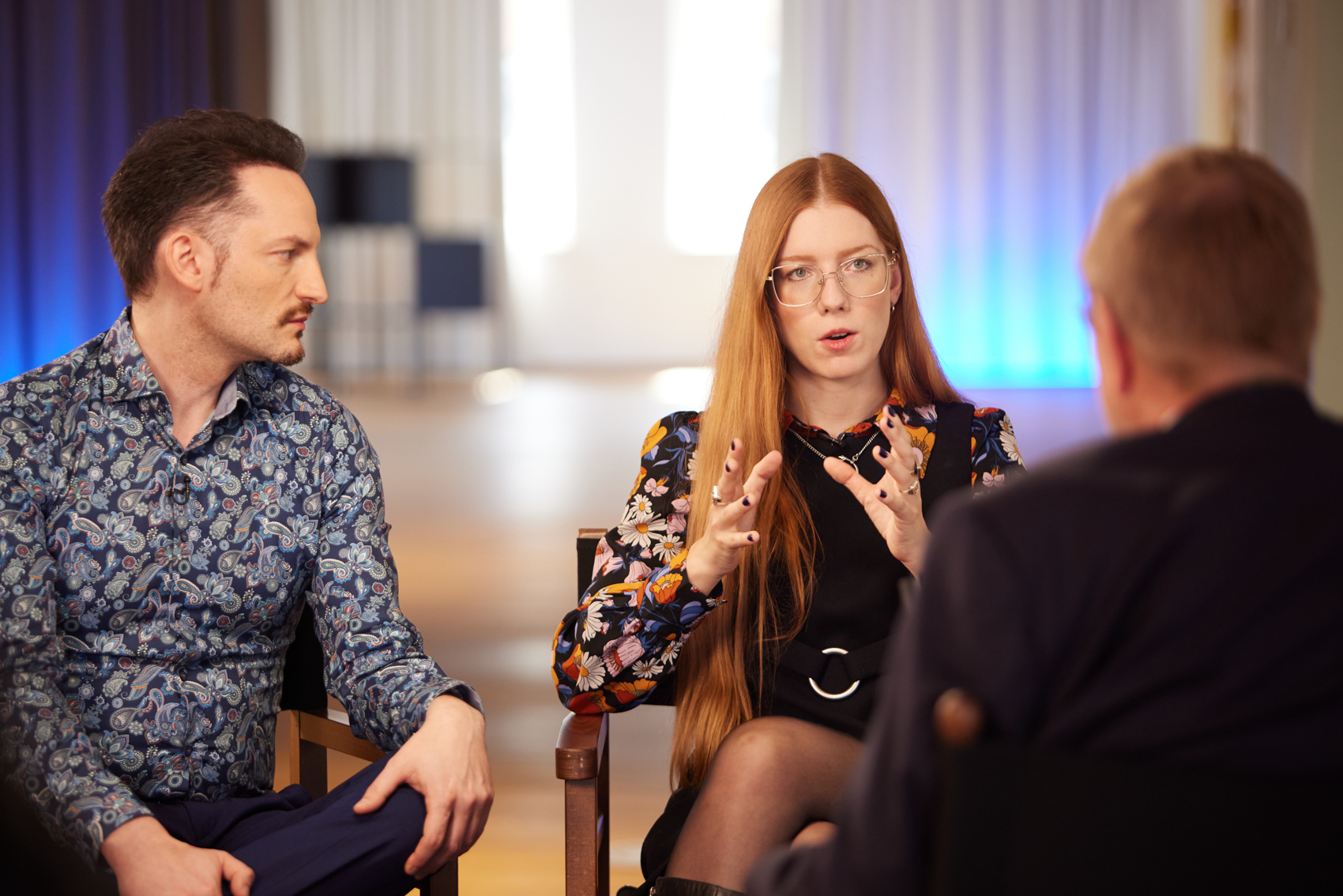
Elizaveta Kataeva (Gesang) und Dino Bet (Gitarre) sind seit einigen Jahren als Lyrik-Rock-Band Wandermaler bekannt.
Photo: nius.de

Bet addressed what he sees as a troubling shift within cultural circles. Music today comes with an expectation of political allegiance, he explained in the interview. Over recent years, he has witnessed theaters, event organizers, and the broader music scene become increasingly politicized. It’s not about exchange, it’s about interrogation, he stated, referring to the implicit question of who belongs and who does not.

The musicians recounted their own direct encounter with this phenomenon. An agency terminated its working relationship with Wandermaler after determining that the band’s publications and contacts were incompatible with the agency’s stated political position. Kartajeva noted that the focus has shifted away from artistic merit itself. The industry no longer prioritizes quality or sound, she observed.

Text-Driven Musical Philosophy

Wandermaler describes its musical style as a fusion of language, rhythm, and compositional craft. The band draws textual inspiration from Symbolism, Expressionism, and the Russian Silver Age literary movement. Kartajeva explained that in their work, the text leads the music rather than the reverse.

Both artists also addressed the impact of social media and the erosion of sustained attention. Bet argued that art must return to depth. At the same time, they observe a counter-movement gaining traction, with growing interest in vinyl records, compact discs, and a broader desire for slower consumption of culture.

Archetypal and Biblical Imagery

Biblical and archetypal motifs feature prominently in the band’s songs and visual output. These symbolic elements allow the expression of powerful emotions through economical use of imagery, Kartajeva noted.

The interview underscores a broader tension within European cultural institutions, where artistic freedom increasingly collides with institutional demands for political alignment. Wandermaler’s experience reflects what many artists face when they decline to subordinate their creative work to prevailing ideological frameworks.

With information from Nius

Share:
Stefanos Banos
Stefanos Banos

Stefanos Banos was born in Piraeus and is an editor at NewsFire.GR, specializing in political analysis and international relations. He graduated from the Department of Communication and Media at the University of Bremen in Germany, where he also completed his Master of Arts in Communication and Media Studies. Married to Zoi, he is a proud father of three boys.

Elisaveta Kartajeva and Dino Bet, who perform as the band Wandermaler, discussed their experiences with ideological pressure in the arts during an interview on the program “Schuler! Fragen, was ist”, according to Nius.

The duo, who combine German-language poetry with rock and folk elements in what they term “lyric-rock”, emphasized their commitment to keeping art independent from political structures. Their approach places lyrical text at the center, allowing it to dictate the rhythm and structure of their compositions.

Elizaveta Kataeva (Gesang) und Dino Bet (Gitarre) sind seit einigen Jahren als Lyrik-Rock-Band Wandermaler bekannt.
Photo: nius.de

Bet addressed what he sees as a troubling shift within cultural circles. Music today comes with an expectation of political allegiance, he explained in the interview. Over recent years, he has witnessed theaters, event organizers, and the broader music scene become increasingly politicized. It’s not about exchange, it’s about interrogation, he stated, referring to the implicit question of who belongs and who does not.

The musicians recounted their own direct encounter with this phenomenon. An agency terminated its working relationship with Wandermaler after determining that the band’s publications and contacts were incompatible with the agency’s stated political position. Kartajeva noted that the focus has shifted away from artistic merit itself. The industry no longer prioritizes quality or sound, she observed.

Text-Driven Musical Philosophy

Wandermaler describes its musical style as a fusion of language, rhythm, and compositional craft. The band draws textual inspiration from Symbolism, Expressionism, and the Russian Silver Age literary movement. Kartajeva explained that in their work, the text leads the music rather than the reverse.

Both artists also addressed the impact of social media and the erosion of sustained attention. Bet argued that art must return to depth. At the same time, they observe a counter-movement gaining traction, with growing interest in vinyl records, compact discs, and a broader desire for slower consumption of culture.

Archetypal and Biblical Imagery

Biblical and archetypal motifs feature prominently in the band’s songs and visual output. These symbolic elements allow the expression of powerful emotions through economical use of imagery, Kartajeva noted.

The interview underscores a broader tension within European cultural institutions, where artistic freedom increasingly collides with institutional demands for political alignment. Wandermaler’s experience reflects what many artists face when they decline to subordinate their creative work to prevailing ideological frameworks.

With information from Nius