Is Politics Collapsing?
Outrageous political dissent and corruption weaken democracy, but genuine change demands abolishing preferential voting, the main gateway to clientelism and abuse in politics.
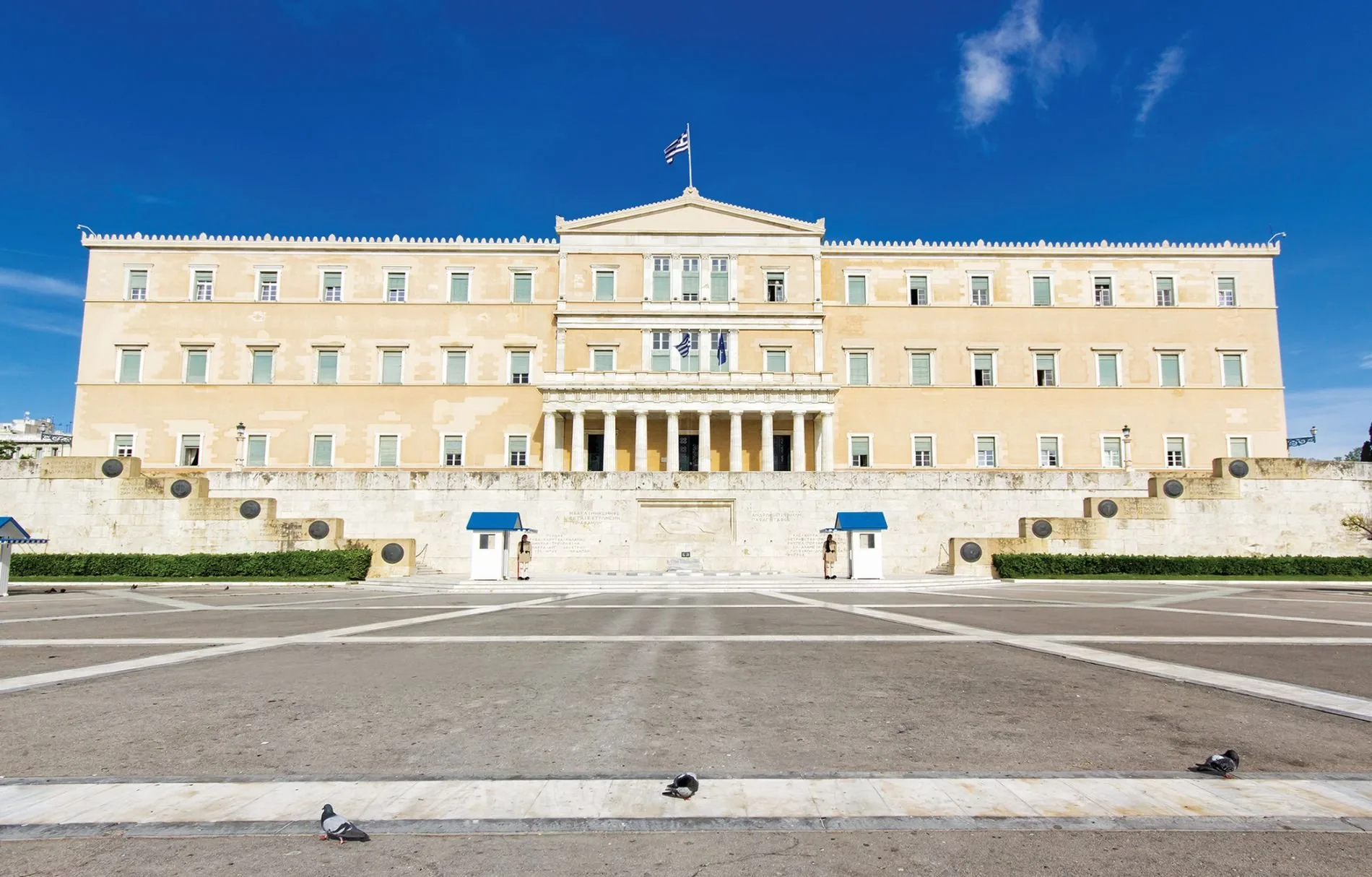

When well-known fanatical opponents of the system express their political objections through shouting, insults, offenses, borderline violence, deliberate insolence, and constant annoyance of everyone, they believe they are fighting the system and the established order. In reality, however, they wound politics. Their behavior does not shake the system; it undermines the essence of politics. In other countries—mostly Western—where calmness and humor prevail in the culture, such phenomena are met with indifference and silence toward the provocateurs. This marginalizes the irresponsible and leaves politics unharmed.
However, politics is hurt not only by insults and disdain for institutions. It is also shaken by corruption and the violation of the rule of law. Yet, corruption in the political life of our country will not be curbed as long as the political system remains with its fundamental structures unchanged. It must be clarified, though, that regardless of the corruption these structures cause, this does not exempt the politicians who succumb to depravity and embrace illegality from their responsibilities. The prime minister’s choice to speak about a possible establishment of an incompatibility between being a member of parliament and minister will not solve the problem. Because a member of parliament, even without becoming a minister, will not cease to engage in clientelism and violate whatever legal or ethical rules exist. To be re-elected, they will need the support of their law-breaking voters—and their families.
The only way to sever politics from its umbilical cord connecting it to clientelism and corruption is the abolition of the preference vote. As I have repeatedly explained, the preference vote is the doorman at the entrance of corruption and clientelist relationships in politics (see my related article in NEA titled “The Preference Vote Again,” July 9, 2025). The competition among candidates to secure the favor of voters—usually within the same party—becomes so exhausting that it often overlooks even the obstacle of illegality and immoral pressure. The step, for both the politician and the voter, from “do me a favor, I will vote for you” to “do my work, and take this amount” is very small. Whether or not illegal arrangements are requested depends entirely on the principles and conscience of the politician, under pressure. This, of course, does not absolve them of related responsibility.
There is no democratic country in the world, except lately Cyprus (!), that adopts the preference vote. Are we supposed to be the “only” democracy? Perhaps the most corrupt, though.
(Andreas Andrianopoulos’ book, “War in Iran: Europe’s Tragic Failures.” Epikentro, 2026) is available in bookstores.