Necessary Cookies

Required for the site to function. Cannot be disabled.

Analytics Cookies

Help us understand how visitors interact with our site (Google Analytics via GTM).

Marketing Cookies

Used to track visitors and deliver personalised advertisements.

We use cookies to enhance your browsing experience and analyse site traffic. By clicking Accept All, you consent to our use of cookies. Privacy Policy
NewsFire Global
Home News Europe World Christianity Culture Wars Opinion
Information
About Us Authors Advertising Terms & Conditions Privacy Policy Contact
R2B Media
R2B NEWSFIRE.GR PAPAFOTIS.GR THRACTION HELLENIC CONSERVATIVES RIGHT2THEBONE YT
News Europe

EU Tobacco Tax Talks Stall Over Swedish Opposition

Sweden blocked the EU's ambitious tobacco tax overhaul that aimed to raise billions by doubling cigarette duties and taxing e-cigarettes, citing harm to nicotine pouches that lowered its smoking rate.

Dimitris Papafotis
Dimitris Papafotis Editor in Chief
JUNE 5, 2026 AT 3:42 PM

A sweeping European Union plan to overhaul tobacco taxation has collapsed after Sweden refused to back the proposals, blocking one of Brussels’ most ambitious revenue-raising schemes and delivering a major setback to the Commission’s public health agenda.

The Cypriot EU Council Presidency conceded failure on June 3, acknowledging that months of intensive negotiations had failed to secure the unanimous approval required from member states, according to Brussels Signal.

A Cypriot spokesperson confirmed in a written statement that no agreement could be reached despite sustained efforts. The issue will not appear on the June 12 ministerial agenda and instead falls to the incoming Irish Presidency to resolve.

Brussels Seeks Billions in New Tax Revenue

The Commission’s 2025 proposal sought to more than double minimum excise duties on cigarettes in some cases and impose new minimum taxes on emerging products including e-cigarettes, heated tobacco, and nicotine pouches. Brussels aims to funnel these taxes into its own budget, targeting several billion euros in fresh revenues.

The Danish Presidency of the Council of the European Union had previously championed aggressive tobacco tax increases as part of the initiative.

While the European Parliament’s Economic Affairs committee approved a softer version of the taxation plan this week, the lack of unanimity among member states prevented it from advancing in the Council.

Sweden Stands Firm on Harm Reduction

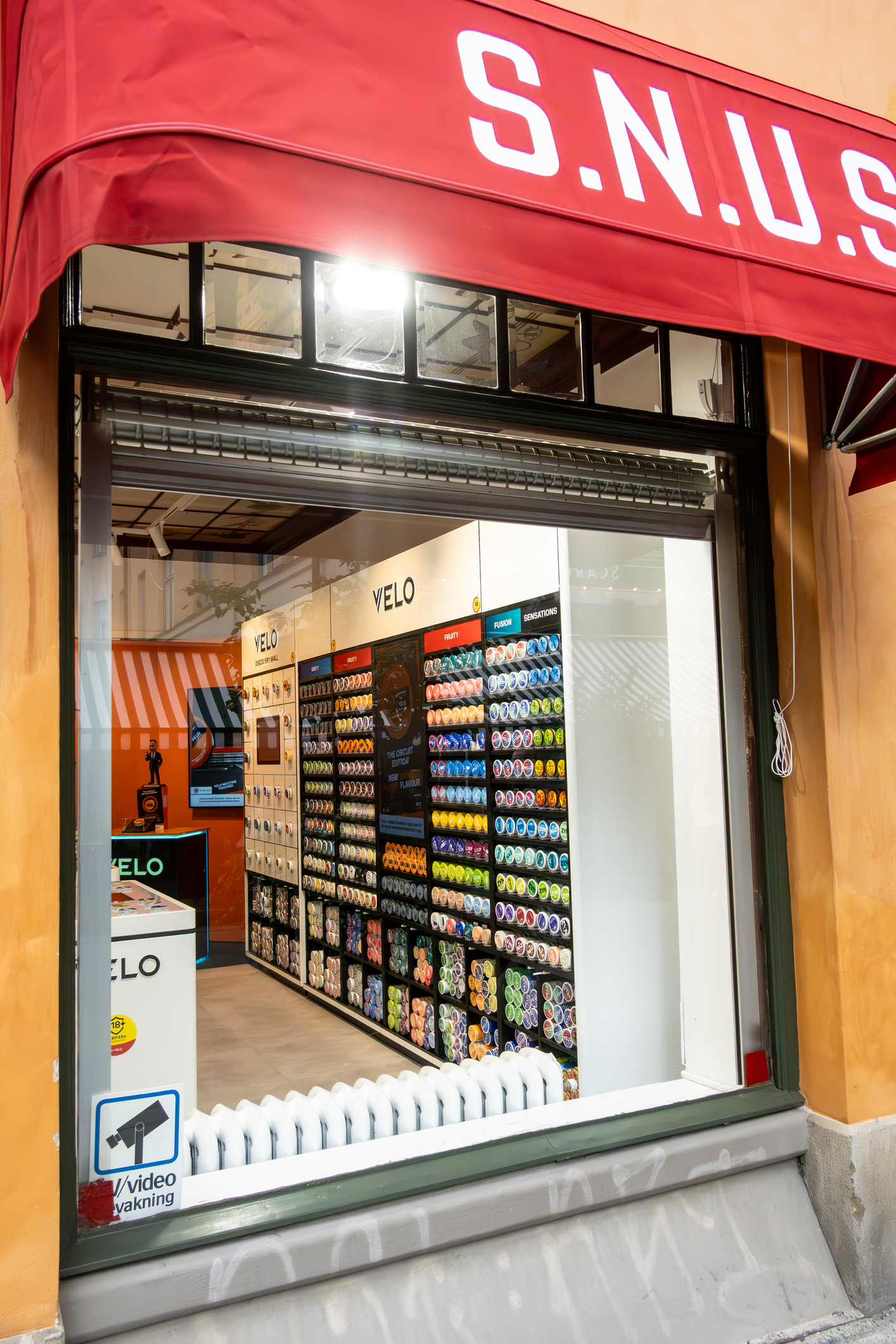
Sweden has emerged as the primary roadblock, refusing to accept Brussels’ proposed tax rates on nicotine pouches—known as snus and “white snus”—which enjoy widespread popularity in the Scandinavian nation.

Swedish officials contend the EU plan would impose punitive tax hikes on harm-reduction products that have driven Sweden to the lowest smoking rate in the EU. Stockholm insists it will not allow Brussels to dictate tax policy on products central to its success in reducing smoking-related harm.

Sweden remains the only EU member state to achieve the threshold of less than five percent smokers, a milestone widely attributed to alternative, less harmful tobacco products.

Finance Minister Elisabeth Svantesson and the Swedish government have repeatedly rejected the proposal as “completely unacceptable,” insisting other member states must not be permitted to undermine Sweden’s proven tobacco harm-reduction strategy.

Leaked versions of the directive reportedly would have driven excise duty on nicotine pouches from SEK 207 (€19) to nearly SEK 1,600 (€144), a nearly eight-fold increase.

Parliament Committee Backs Softer Approach

Following this week’s committee vote, rapporteur Tomáš Kubín (PfE, CZ) defended the softer approach, stating his aim had been to support a modern and coherent framework while ensuring rules remained realistic, proportionate, and enforceable.

Kubín emphasized that differentiated treatment of products according to their risk profiles and patterns of use was essential, and that more gradual implementation would provide greater predictability for member state authorities.

Left-Wing Outrage Over “Far-Right” Deal

Socialists and Democrats in the European Parliament reacted furiously to the committee agreement, accusing the European People’s Party (EPP) of collaborating with the far-right to dismantle public health protections.

They charged the EPP with hypocrisy for supporting the EU’s Beating Cancer Plan—which aims to reduce tobacco use to less than 5 percent of the population by 2040—while simultaneously aligning with the far right to undermine it.

Cesar Luena, S&D negotiator on tobacco taxation legislation, declared the result “deeply damaging” for public health and taxpayers, claiming the only winners were tobacco barons.

Jonás Fernández, S&D spokesperson on economic and monetary affairs, called the report’s outcome unacceptable.

Italian MEP Marco Falcone (EPP – Forza Italia) countered that the reformed proposal introduced a “less risk, less tax” principle and struck a balance between protecting public health, safeguarding jobs and EU supply chains, and curbing the black market.

With information from Brussels Signal

Share:
Dimitris Papafotis
Dimitris Papafotis

Dimitris Papafotis is the editor-in-chief of NewsFire.GR. He was born and raised in Athens. He studied at the Journalism Workshop (1991-1993). He currently lives in Pyrgos, Ilia, where he has been active in radio and various newspapers, while also maintaining his personal blog, Papafotis.gr.

A sweeping European Union plan to overhaul tobacco taxation has collapsed after Sweden refused to back the proposals, blocking one of Brussels’ most ambitious revenue-raising schemes and delivering a major setback to the Commission’s public health agenda.

The Cypriot EU Council Presidency conceded failure on June 3, acknowledging that months of intensive negotiations had failed to secure the unanimous approval required from member states, according to Brussels Signal.

A Cypriot spokesperson confirmed in a written statement that no agreement could be reached despite sustained efforts. The issue will not appear on the June 12 ministerial agenda and instead falls to the incoming Irish Presidency to resolve.

Brussels Seeks Billions in New Tax Revenue

The Commission’s 2025 proposal sought to more than double minimum excise duties on cigarettes in some cases and impose new minimum taxes on emerging products including e-cigarettes, heated tobacco, and nicotine pouches. Brussels aims to funnel these taxes into its own budget, targeting several billion euros in fresh revenues.

The Danish Presidency of the Council of the European Union had previously championed aggressive tobacco tax increases as part of the initiative.

While the European Parliament’s Economic Affairs committee approved a softer version of the taxation plan this week, the lack of unanimity among member states prevented it from advancing in the Council.

Sweden Stands Firm on Harm Reduction

Sweden has emerged as the primary roadblock, refusing to accept Brussels’ proposed tax rates on nicotine pouches—known as snus and “white snus”—which enjoy widespread popularity in the Scandinavian nation.

Swedish officials contend the EU plan would impose punitive tax hikes on harm-reduction products that have driven Sweden to the lowest smoking rate in the EU. Stockholm insists it will not allow Brussels to dictate tax policy on products central to its success in reducing smoking-related harm.

Sweden remains the only EU member state to achieve the threshold of less than five percent smokers, a milestone widely attributed to alternative, less harmful tobacco products.

Finance Minister Elisabeth Svantesson and the Swedish government have repeatedly rejected the proposal as “completely unacceptable,” insisting other member states must not be permitted to undermine Sweden’s proven tobacco harm-reduction strategy.

Leaked versions of the directive reportedly would have driven excise duty on nicotine pouches from SEK 207 (€19) to nearly SEK 1,600 (€144), a nearly eight-fold increase.

Parliament Committee Backs Softer Approach

Following this week’s committee vote, rapporteur Tomáš Kubín (PfE, CZ) defended the softer approach, stating his aim had been to support a modern and coherent framework while ensuring rules remained realistic, proportionate, and enforceable.

Kubín emphasized that differentiated treatment of products according to their risk profiles and patterns of use was essential, and that more gradual implementation would provide greater predictability for member state authorities.

Left-Wing Outrage Over “Far-Right” Deal

Socialists and Democrats in the European Parliament reacted furiously to the committee agreement, accusing the European People’s Party (EPP) of collaborating with the far-right to dismantle public health protections.

They charged the EPP with hypocrisy for supporting the EU’s Beating Cancer Plan—which aims to reduce tobacco use to less than 5 percent of the population by 2040—while simultaneously aligning with the far right to undermine it.

Cesar Luena, S&D negotiator on tobacco taxation legislation, declared the result “deeply damaging” for public health and taxpayers, claiming the only winners were tobacco barons.

Jonás Fernández, S&D spokesperson on economic and monetary affairs, called the report’s outcome unacceptable.

Italian MEP Marco Falcone (EPP – Forza Italia) countered that the reformed proposal introduced a “less risk, less tax” principle and struck a balance between protecting public health, safeguarding jobs and EU supply chains, and curbing the black market.

With information from Brussels Signal