Necessary Cookies

Required for the site to function. Cannot be disabled.

Analytics Cookies

Help us understand how visitors interact with our site (Google Analytics via GTM).

Marketing Cookies

Used to track visitors and deliver personalised advertisements.

We use cookies to enhance your browsing experience and analyse site traffic. By clicking Accept All, you consent to our use of cookies. Privacy Policy
NewsFire Global
Home News Europe World Christianity Culture Wars Opinion
Information
About Us Authors Advertising Terms & Conditions Privacy Policy Contact
R2B Media
R2B NEWSFIRE.GR PAPAFOTIS.GR THRACTION HELLENIC CONSERVATIVES RIGHT2THEBONE YT
News World

US and Iran Reach Tentative Ceasefire as Europe Eyes Hormuz Strait

The US and Iran reached a tentative 60-day ceasefire extension to allow broader negotiations, but President Trump has not yet given final approval.

Newsroom
Newsroom Staff Writer
MAY 29, 2026 AT 1:35 PM

According to Brussels Signal, negotiators agreed on the broad framework on May 28, 2026. The proposed memorandum of understanding would halt fighting while both nations engage in talks covering Iran’s nuclear program, sanctions relief, and regional security arrangements.

Central to the agreement is the reopening of the Strait of Hormuz, the world’s most critical oil chokepoint, which has remained largely closed to international shipping since hostilities erupted on February 28, 2026, following US and Israeli strikes on Iranian targets.

Tehran has not officially confirmed the deal. However, Fada Hossein Maleki, a member of the Iranian parliament’s National Security and Foreign Policy Commission, told the ISNA news agency that Iran’s proposals had been largely accepted, though he expressed concern over what he called the unpredictability of the Trump administration and past lapses in US commitments.

Framework Details

The draft agreement would extend the ceasefire for 60 days as negotiations proceed, Brussels Signal reports. Key provisions include steps to reopen the Strait of Hormuz and restore commercial shipping, with the United States agreeing to lift its naval blockade on Iranian ports.

US Treasury Secretary Scott Bessent told reporters at the White House that the final decision rests with President Trump, who has established several red lines. Among these, Iran must surrender its highly enriched uranium stockpile and abandon any pursuit of nuclear weapons. Washington has also categorically rejected Iranian control over the strait, including any proposed tolling system for vessels.

On May 28, Bessent reportedly threatened Oman with sanctions if the close US ally assisted in imposing fees on ships passing through the waterway. Under the proposed framework, the strait would be de-mined and reopened to international traffic, according to a senior US administration official.

Uncertain Path Forward

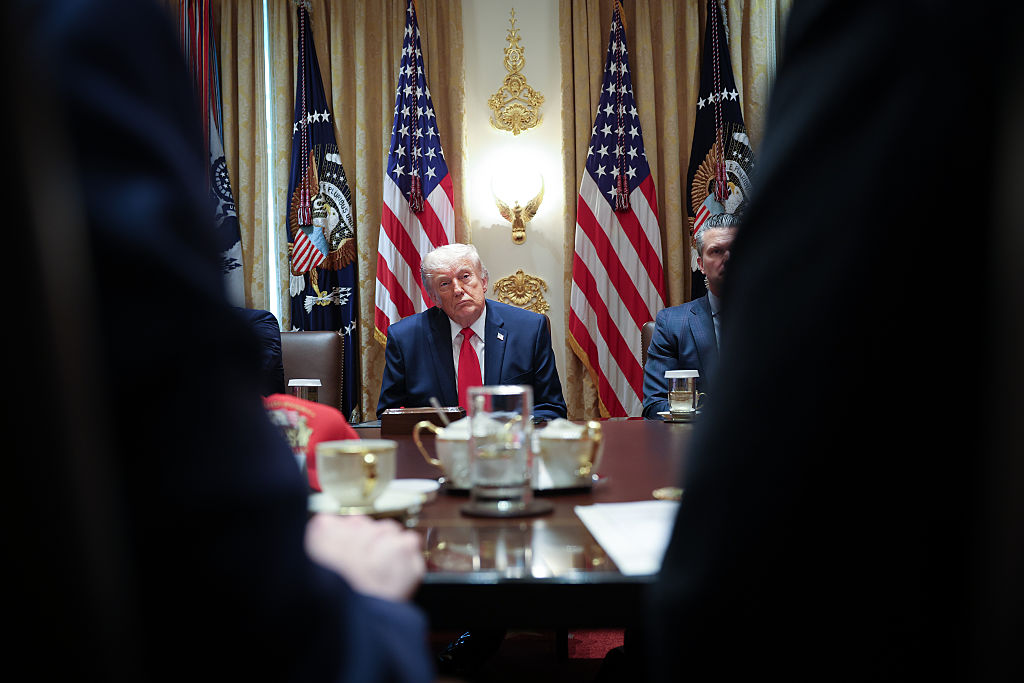
The tentative breakthrough comes after the prospect of a deal appeared to dim considerably. Despite the ceasefire, both sides exchanged fire in the 24 hours preceding the announcement, and President Trump struck a cautious tone during a May 27 cabinet meeting.

Trump indicated he was not yet satisfied with Tehran’s offers and was in no rush to finalize an agreement, warning that the US would otherwise have to finish the job militarily. Iran’s Ayatollah Mojtaba Khamenei accused the United States and Israel of attempting to destabilize the Islamic Republic in a message broadcast on state television.

The White House dismissed an earlier Iranian state television report claiming the draft included withdrawal of US forces from the Gulf as a complete fabrication.

Iran’s Revolutionary Guard Corps Navy claimed it was exercising smart control of the strait, stating that 26 commercial and oil tankers passed through in the previous 24 hours after coordinating with Iranian forces. The IRGC-affiliated Tasnim news agency reported that several westbound vessels were turned back for failing to coordinate with Iran’s newly formed Persian Gulf Strait Authority.

European Stakes

For the European Union, the reopening of the Strait of Hormuz represents a critical economic interest. The waterway has been largely closed to international shipping since February, driving energy prices sharply higher across the continent.

Under normal conditions, approximately one-fifth of global oil supplies and substantial volumes of liquefied natural gas transit the strait daily, with much destined for Asian and European markets.

The closure has imposed significant costs on Europe. EU estimates indicate that gas prices surged roughly 70 percent and oil prices rose about 50 percent after the strait closed, adding approximately €13 billion to the bloc’s fossil fuel import bill.

With information from Brussels Signal

Share:
Newsroom
Newsroom

NewsFire.GR is a website created with the hope that the media will rediscover their true identity, which is none other than informing the public about the real stakes of our times. Journalism and political analysis must hold power accountable, not serve it.

According to Brussels Signal, negotiators agreed on the broad framework on May 28, 2026. The proposed memorandum of understanding would halt fighting while both nations engage in talks covering Iran’s nuclear program, sanctions relief, and regional security arrangements.

Central to the agreement is the reopening of the Strait of Hormuz, the world’s most critical oil chokepoint, which has remained largely closed to international shipping since hostilities erupted on February 28, 2026, following US and Israeli strikes on Iranian targets.

Tehran has not officially confirmed the deal. However, Fada Hossein Maleki, a member of the Iranian parliament’s National Security and Foreign Policy Commission, told the ISNA news agency that Iran’s proposals had been largely accepted, though he expressed concern over what he called the unpredictability of the Trump administration and past lapses in US commitments.

Framework Details

The draft agreement would extend the ceasefire for 60 days as negotiations proceed, Brussels Signal reports. Key provisions include steps to reopen the Strait of Hormuz and restore commercial shipping, with the United States agreeing to lift its naval blockade on Iranian ports.

US Treasury Secretary Scott Bessent told reporters at the White House that the final decision rests with President Trump, who has established several red lines. Among these, Iran must surrender its highly enriched uranium stockpile and abandon any pursuit of nuclear weapons. Washington has also categorically rejected Iranian control over the strait, including any proposed tolling system for vessels.

On May 28, Bessent reportedly threatened Oman with sanctions if the close US ally assisted in imposing fees on ships passing through the waterway. Under the proposed framework, the strait would be de-mined and reopened to international traffic, according to a senior US administration official.

Uncertain Path Forward

The tentative breakthrough comes after the prospect of a deal appeared to dim considerably. Despite the ceasefire, both sides exchanged fire in the 24 hours preceding the announcement, and President Trump struck a cautious tone during a May 27 cabinet meeting.

Trump indicated he was not yet satisfied with Tehran’s offers and was in no rush to finalize an agreement, warning that the US would otherwise have to finish the job militarily. Iran’s Ayatollah Mojtaba Khamenei accused the United States and Israel of attempting to destabilize the Islamic Republic in a message broadcast on state television.

The White House dismissed an earlier Iranian state television report claiming the draft included withdrawal of US forces from the Gulf as a complete fabrication.

Iran’s Revolutionary Guard Corps Navy claimed it was exercising smart control of the strait, stating that 26 commercial and oil tankers passed through in the previous 24 hours after coordinating with Iranian forces. The IRGC-affiliated Tasnim news agency reported that several westbound vessels were turned back for failing to coordinate with Iran’s newly formed Persian Gulf Strait Authority.

European Stakes

For the European Union, the reopening of the Strait of Hormuz represents a critical economic interest. The waterway has been largely closed to international shipping since February, driving energy prices sharply higher across the continent.

Under normal conditions, approximately one-fifth of global oil supplies and substantial volumes of liquefied natural gas transit the strait daily, with much destined for Asian and European markets.

The closure has imposed significant costs on Europe. EU estimates indicate that gas prices surged roughly 70 percent and oil prices rose about 50 percent after the strait closed, adding approximately €13 billion to the bloc’s fossil fuel import bill.

With information from Brussels Signal