Necessary Cookies

Required for the site to function. Cannot be disabled.

Analytics Cookies

Help us understand how visitors interact with our site (Google Analytics via GTM).

Marketing Cookies

Used to track visitors and deliver personalised advertisements.

We use cookies to enhance your browsing experience and analyse site traffic. By clicking Accept All, you consent to our use of cookies. Privacy Policy
NewsFire Global
Home News Europe World Christianity Culture Wars Opinion
Information
About Us Authors Advertising Terms & Conditions Privacy Policy Contact
R2B Media
R2B NEWSFIRE.GR PAPAFOTIS.GR THRACTION HELLENIC CONSERVATIVES RIGHT2THEBONE YT
News World

Mertz mocks Trump over Iran strike: US humiliated by Revolutionary Guards

German Chancellor Friedrich Merz criticized the US approach to the Iran conflict, highlighting the lack of exit strategy and Iran's resilience, while urging peaceful resolution before Germany aids maritime security.


Newsroom
Newsroom Staff Writer
APRIL 27, 2026 AT 10:55 PM Updated: May 17, 2026 2:52 AM

Friedrich Merz did not hide his disappointment with how the United States is handling the conflict with Iran. Speaking to students in Marsberg, in Germany’s Sauerland region, the German Chancellor emphasized that Washington entered the war without a clear plan for how to end it.

“The problem with such conflicts is always the same: it’s not just about how you enter, but also how you get out,” he remarked. He referred to previous experiences, such as the twenty-year war in Afghanistan and the intervention in Iraq, where the lack of an exit strategy proved costly.

According to Merz, Iran has proven more resilient than the Americans initially expected. The Iranians, he argued, negotiate with particular skill—or rather, as he clarified, they do not negotiate in the way the U.S. would like.

On the contrary, they reportedly send American officials to Islamabad only to return them empty-handed.

“An entire state is being humiliated by the Iranian leadership, particularly by the so-called Revolutionary Guards,” the Chancellor noted. His observation comes at a time when tensions remain high and negotiations to end hostilities have yet to bear fruit.

Despite his criticism of the U.S., Merz reiterated Germany’s readiness to contribute to the restoration of navigation. Berlin offers to send mine clearance vessels to open the Strait of Hormuz, but only after the conflicts have ended.

The statements of the German Chancellor reflect the difficulties faced by the American side both on the ground and at the negotiating table, while the region remains on high alert.

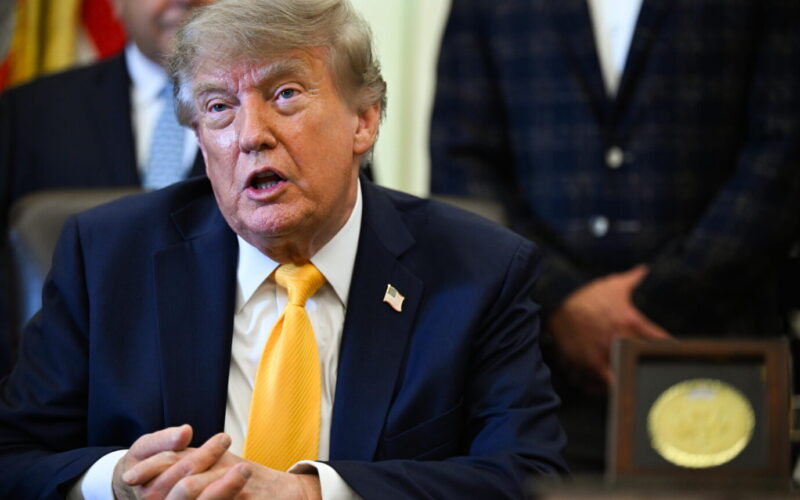
We are all waiting to see how Donald Trump will respond to this direct attack by the German Chancellor on the U.S. leadership team…

Share:
Newsroom
Newsroom

NewsFire.GR is a website created with the hope that the media will rediscover their true identity, which is none other than informing the public about the real stakes of our times. Journalism and political analysis must hold power accountable, not serve it.

Friedrich Merz did not hide his disappointment with how the United States is handling the conflict with Iran. Speaking to students in Marsberg, in Germany’s Sauerland region, the German Chancellor emphasized that Washington entered the war without a clear plan for how to end it.

“The problem with such conflicts is always the same: it’s not just about how you enter, but also how you get out,” he remarked. He referred to previous experiences, such as the twenty-year war in Afghanistan and the intervention in Iraq, where the lack of an exit strategy proved costly.

According to Merz, Iran has proven more resilient than the Americans initially expected. The Iranians, he argued, negotiate with particular skill—or rather, as he clarified, they do not negotiate in the way the U.S. would like.

On the contrary, they reportedly send American officials to Islamabad only to return them empty-handed.

“An entire state is being humiliated by the Iranian leadership, particularly by the so-called Revolutionary Guards,” the Chancellor noted. His observation comes at a time when tensions remain high and negotiations to end hostilities have yet to bear fruit.

Despite his criticism of the U.S., Merz reiterated Germany’s readiness to contribute to the restoration of navigation. Berlin offers to send mine clearance vessels to open the Strait of Hormuz, but only after the conflicts have ended.

The statements of the German Chancellor reflect the difficulties faced by the American side both on the ground and at the negotiating table, while the region remains on high alert.

We are all waiting to see how Donald Trump will respond to this direct attack by the German Chancellor on the U.S. leadership team…