25 Years After 9/11, We Must Remember With Our Children
Twenty-five years after 9/11, America's moral clarity on terrorism has eroded, as evidenced by divided reactions to Hamas attacks on Israeli civilians in October 2023.
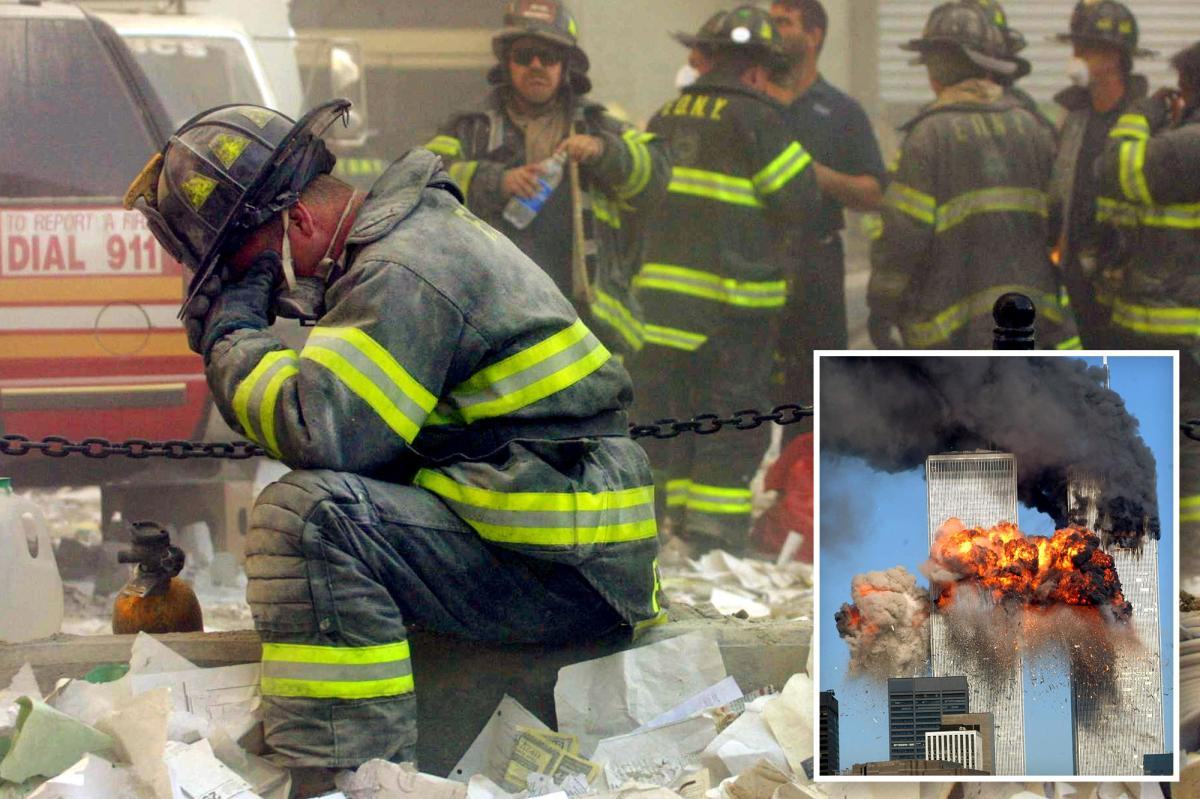

On September 11, 2001, nineteen al-Qaeda terrorists hijacked four commercial airliners and deliberately murdered thousands of innocent civilians. The attackers struck the World Trade Center and the Pentagon, while passengers and crew aboard Flight 93 heroically fought back, causing their plane to crash into a Pennsylvania field before reaching its intended target.
Shirin Yadegar, then a young journalism student, recalls the immediate aftermath when Americans unified in response to the coordinated assault on their homeland. In the days following the attacks, American flags appeared on homes and businesses across the country. Political divisions temporarily dissolved as Democrats and Republicans stood shoulder to shoulder. First responders rushed into burning towers as others fled to safety.
A Nation That Understood Evil
The American public in 2001 possessed something that appears increasingly rare today: the ability to recognize terrorism as morally reprehensible without qualification. Citizens understood that deliberately targeting civilians was evil. They knew al-Qaeda, under Osama bin Laden’s leadership, had declared war on the United States. There was no ambiguity about these fundamental facts.
Yadegar emphasizes that America was not perfect before September 10, 2001, nor were all government decisions made afterward correct. Yet Americans shared a foundational belief that their country, despite its flaws, represented a force for good in the world. Patriotism was not confined to a single political faction.
October 7 Revealed a Disturbing Shift
The erosion of this moral clarity became painfully apparent on October 7, 2023, when Hamas terrorists murdered, kidnapped and brutalized Israeli civilians. Rather than witnessing the unified condemnation she remembered from September 11, Yadegar observed widespread rationalization of terrorism among segments of the American public.
The issue became deeply personal when protests and an encampment overtook Columbia University, where her daughter was enrolled. The young woman would later provide congressional testimony about the experiences of Jewish students during that period. As a mother, Yadegar questioned how American society had deteriorated to the point where young people encounter arguments romanticizing or excusing political violence.
The Responsibility of Parents
Yadegar argues the critical question is not merely how America reached this point, but what parents intend to do about it. She urges families to sit down with their children this September 11 and explain what occurred twenty-five years ago. Age-appropriate discussions should include showing footage of the attacks and recounting the heroism of firefighters who ascended the World Trade Center stairs knowing they might not return, and the courage of Flight 93 passengers.
Parents must clearly identify that Osama bin Laden and al-Qaeda bore responsibility for the attacks. Children need to understand the distinction between Islam as a faith practiced peacefully by millions of Americans, and Islamist terrorism—the extremist ideology employed by al-Qaeda, Hamas, Islamic State and other terrorist organizations to justify mass murder.
Reclaiming Educational Authority
California officially recognizes September 11 as a Day of Remembrance and Service, with the state Department of Education providing schools with teaching resources about the attacks. Yadegar insists parents must actively engage with how their local schools present this history rather than assuming others will handle it properly. Don’t let a 30-second TikTok become your child’s history teacher, she warns.
The columnist also calls on Americans to vote for leaders whose values align with their own and to hold elected officials accountable. Patriotism does not demand allegiance to any particular party. Rather, it means believing America is worth improving, protecting and preserving for future generations.
Memory as Action
Americans pledged to never forget September 11, but genuine remembrance extends beyond annual memorial ceremonies and reading the names of victims. It requires teaching the generation with no direct memory of the attacks what happened, why it happened, and what lessons should be drawn from it.
As the mother of four daughters, Yadegar expresses concern that her children are inheriting an America that has forgotten its own greatness. Reversing this trend requires parents to restore substantive conversations about patriotism, national identity and moral clarity to the family dinner table.
With information from New York Post